
Downloadable PDF map
Download PDF map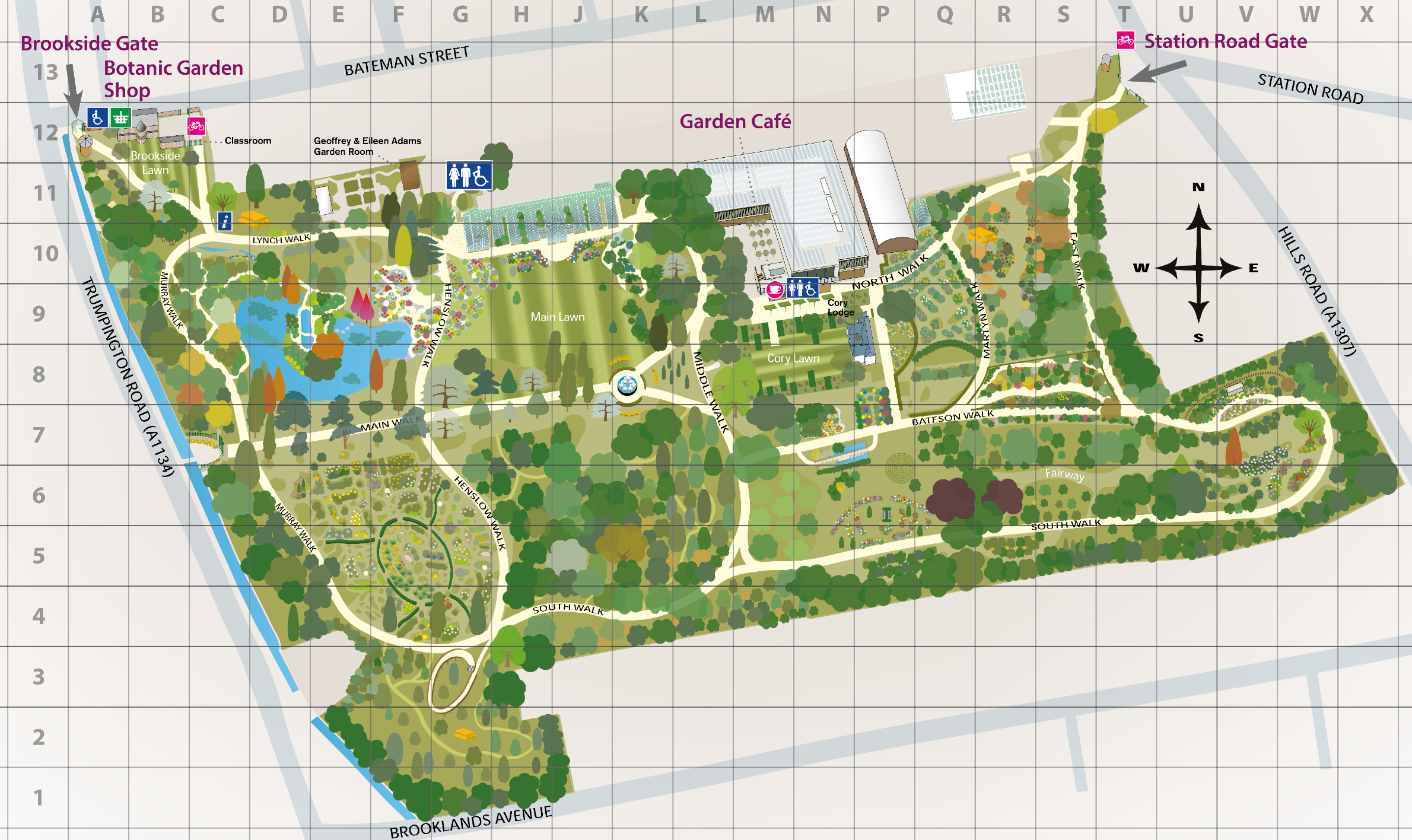
Garden areas
Take a walk through our collection of botanical treasures and heritage trees. Discover our lake, fountain, glasshouses and much more.
Some paths in the Garden have been closed for safety reasons - we apologise for any inconvenience this may cause to path accessibility. Please ask a member of staff for advice on accessible routes.
Today's Opening Times:
10:00am - 6:00pm
Take a walk through our collection of botanical treasures and heritage trees. Discover our lake, fountain, glasshouses and much more.


