Back to the page
  • Welcome
  • Visit us
    • Visit us
    • Opening times & information
    • Book Tickets
    • Visiting – travel, dogs, toilets, etc.
    • Garden map
    • Group Visits
    • Tours
    • Press and photography
    • The Garden Café
    • Garden Shops
  • Accessibility
  • What’s on
  • The Garden
    • The Garden
    • About the Garden
    • Horticultural Collections
    • Understanding Plant Labels
    • History of the Garden
    • Wildlife
    • Plant picks of the week
  • Learning
    • Learning
    • Short Courses
    • Certificate in Horticulture
    • Certificate in Botany
    • Schools
    • Colleges and Universities
    • Family Activities
    • Communities
    • Science on Sundays
    • Trails for Adults
  • Science
    • Science
    • Our Science Staff
    • Our Staff Publications
    • Your Science
    • Supporting Your Research
    • Phenology Project
  • Collections
    • Collections
    • Living Collections
    • Seed Bank
    • Herbarium
    • Cory Library
    • Archives
    • Living Collections Portal
    • Botanic Dyes
  • News
  • Support Us
  • Friends
    • Friends
    • Join the Friends
    • Friends’ Events
    • Corporate Support and Corporate Friends
    • Gift Memberships
  • Talking Plants
    • Talking Plants
    • Talking Plants – Frequently Asked Questions (FAQs)
Donate
Cambridge University Botanic Garden
menu

Today's Opening Times:
10:00am - 5:00pm

  • News
  • Support Us
  • Contact Us
  • Donate
  • Home
  • Visit us
    • Opening times & Information
    • Book Tickets
    • Visiting – travel, dogs, toilets, etc.
    • Garden Map
    • Group Visits
    • Tours
    • Press & Photography
    • Garden Shops
    • The Garden Café
    • Accessibility
    • Virtual Visits
  • What’s on
  • The Garden
    • About the Garden
    • Horticultural Collections
    • Understanding Plant Labels
    • History of the Garden
    • Wildlife
    • Plant picks of the week
  • Learning
    • Short Courses
    • Certificate in Horticulture
    • Certificate in Botany
    • Schools
    • Colleges and Universities
    • Family Activities
    • Communities
    • Science on Sundays
    • Trails for Adults
  • Science
    • Our Science Staff
    • Our Staff Publications
    • Your Science
    • Supported Publications
    • Supporting Your Research
    • Phenology Project
  • Collections
    • Living Collections
    • Herbarium
    • Seed Bank
    • Cory Library
    • Archives
    • Collecting Expeditions
    • National Plant Collections ®
    • Living Collections Portal
    • Botanic Dyes
  • Friends
    • Join the Friends
    • Gift Memberships
    • Friends’ Events
    • Corporate Support and Corporate Friends
  • Talking Plants
    • Talking Plants – Frequently Asked Questions (FAQs)
  • Open search panel
Close search panel
Home Collections Living Collections Living Collections Manual
Share Created with Sketch.
  • Email Share this with Email
  • Facebook Share this with Facebook
  • Twitter Share this with Twitter
  • Pinterest Share this with Pinterest
  • WhatsApp Share this with WhatsApp
  • Google + Share this with Google plus

Living Collections Manual

Documenting the standards, processes, and expertise that underpin living collections management.

Introducing the Living Collections Manual

04 March 2026

We are proud to introduce the Living Collections Manual, a new document that brings together the standards, processes, and expertise that underpin the management of the living collections at Cambridge University Botanic Garden (CUBG). This document complements the Living Collection Strategy in that it outlines the policy and procedures that underpin the fundamental objectives that drive our collection.
Download the Living Collections Manual here(opens in new window)
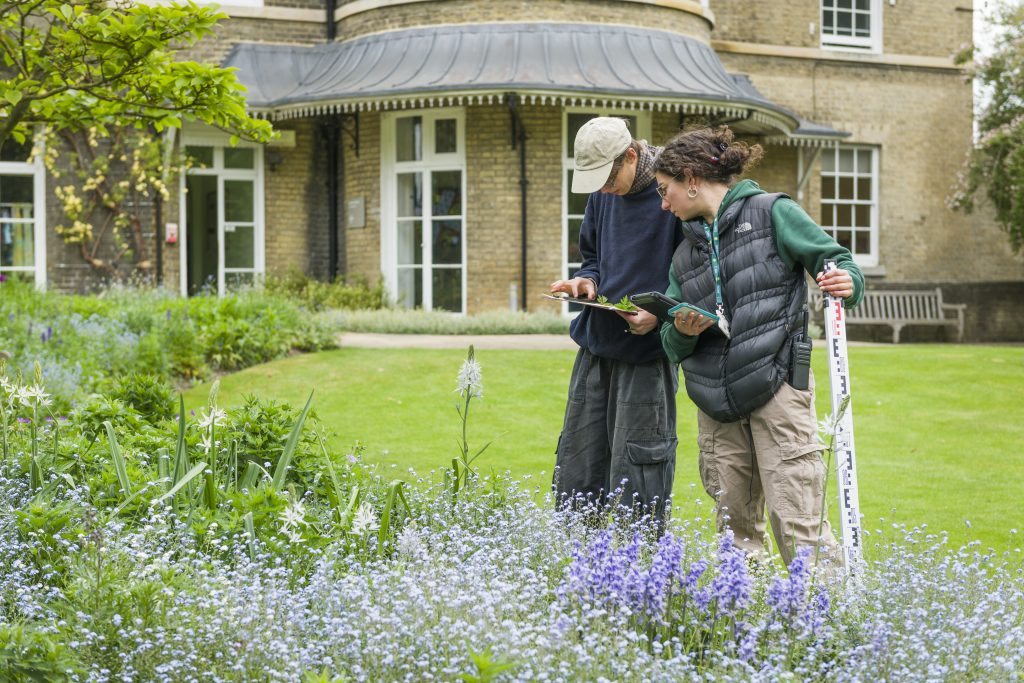
Members of the horticulture and curation teams auditing the Brookside Beds Click for information

Living collections are at the heart of CUBG’s mission. Our collections are diverse – we cultivate nearly 8,000 taxa in our 40-acre landscape. Our collections are accessible – they support scientific research, conservation, teaching, public engagement, and botanical heritage. Caring for these collections requires not only horticultural skill, but also documentation, decision-making, and long-term planning. The Living Collections Manual has been developed to provide the continuity and structure required to manage this dynamic resource, to unlock its potential and help solve some of society’s most pressing challenges.

The Living Collections Manual is more than simply a reference document. It represents a recognition of the dynamic nature of living collections and the complexity of the work necessary to manage them. Clear processes and standards enable better decisions, improve efficiency, and help ensure that the collections remain resilient in the face of environmental change and evolving research needs.

The document covers the full scope of curatorial processes at CUBG, from acquisitions to managing living plants and their records to utilization of the collection. It also aligns closely with our digital plant records systems, ensuring that curatorial, horticultural, and spatial data can be used effectively to support management and research. Through well kept records, one can understand capacity, phenology, climatic tolerance, and other fundamental enquiries of cultivation.

We hope that this resource will contribute to wider professional practice across botanic gardens and arboreta, and that it will be shared and replicated as part of the wider ethos of open access, best practice and collaborative work towards common goals. By sharing our approach, we aim to support collaboration, ignite discussion, and contribute to improvements across the sector.

The Living Collections Manual will continue to evolve as our collections and priorities develop. Many institutions are navigating similar challenges as they care for increasingly important living collections in a changing world. Feedback from staff and the wider botanic garden community will play an important role in shaping future versions.

We invite you to explore the manual and learn about how CUBG cares for its living plant collections. For more information or enquiries, please contact our Curation Team at curation@botanic.cam.ac.uk

Horticulture and curation team members practicing cut tests and seed collecting Click for information
Propagules of Hedysarum and Astralagus grown from seed collected in Kyrgyzstan Click for information
Pressing a palm specimen (Chamaerops humilis) as part of the verification process Click for information
Horticulture staff updating records after planting tomatoes (Lycopersicum) in the Systematic Beds

You may also be interested in

Living Collections Portal

Living Collections Portal

Cambridge University Botanic Garden Living Collections Strategy

Cambridge University Botanic Garden Living Collections Strategy

This is the first time CUBG has ever undertaken such an in-depth analysis of its Collections.
From collections to connections: CUBG’s Curator leads global plant data report

From collections to connections: CUBG’s Curator leads global plant data report

A new international report argues that better-connected data systems could unlock powerful insights for plant conservation
University of Cambridge Museums and Botanic Garden

Social

  • Follow us on YouTube
  • Follow us on Twitter
  • Follow us on Instagram
  • Follow us on Facebook
  • Follow us on Threads
  • Follow us on LinkedIn

© 2026 Cambridge University Botanic Garden

  • Privacy policy
  • Contact us