Back to the page
  • Welcome
  • Visit us
    • Visit us
    • Opening times & information
    • Book Tickets
    • Visiting – travel, dogs, toilets, etc.
    • Garden map
    • Group Visits
    • Tours
    • Press and photography
    • The Garden Café
    • Garden Shops
  • Accessibility
  • What’s on
  • The Garden
    • The Garden
    • About the Garden
    • Horticultural Collections
    • Understanding Plant Labels
    • History of the Garden
    • Wildlife
    • Plant picks of the week
  • Learning
    • Learning
    • Short Courses
    • Certificate in Horticulture
    • Certificate in Botany
    • Schools
    • Colleges and Universities
    • Family Activities
    • Communities
    • Science on Sundays
    • Trails for Adults
  • Science
    • Science
    • Our Science Staff
    • Our Staff Publications
    • Your Science
    • Supporting Your Research
    • Phenology Project
  • Collections
    • Collections
    • Living Collections
    • Seed Bank
    • Herbarium
    • Cory Library
    • Archives
    • Living Collections Portal
    • Botanic Dyes
  • News
  • Support Us
  • Friends
    • Friends
    • Join the Friends
    • Friends’ Events
    • Corporate Support and Corporate Friends
    • Gift Memberships
  • Talking Plants
    • Talking Plants
    • Talking Plants – Frequently Asked Questions (FAQs)
Donate
Cambridge University Botanic Garden
menu

Today's Opening Times:
10:00am - 5:00pm

  • News
  • Support Us
  • Contact Us
  • Donate
  • Home
  • Visit us
    • Opening times & Information
    • Book Tickets
    • Visiting – travel, dogs, toilets, etc.
    • Garden Map
    • Group Visits
    • Tours
    • Press & Photography
    • Garden Shops
    • The Garden Café
    • Accessibility
    • Virtual Visits
  • What’s on
  • The Garden
    • About the Garden
    • Horticultural Collections
    • Understanding Plant Labels
    • History of the Garden
    • Wildlife
    • Plant picks of the week
  • Learning
    • Short Courses
    • Certificate in Horticulture
    • Certificate in Botany
    • Schools
    • Colleges and Universities
    • Family Activities
    • Communities
    • Science on Sundays
    • Trails for Adults
  • Science
    • Our Science Staff
    • Our Staff Publications
    • Your Science
    • Supported Publications
    • Supporting Your Research
    • Phenology Project
  • Collections
    • Living Collections
    • Herbarium
    • Seed Bank
    • Cory Library
    • Archives
    • Collecting Expeditions
    • National Plant Collections ®
    • Living Collections Portal
    • Botanic Dyes
  • Friends
    • Join the Friends
    • Gift Memberships
    • Friends’ Events
    • Corporate Support and Corporate Friends
  • Talking Plants
    • Talking Plants – Frequently Asked Questions (FAQs)
  • Open search panel
Close search panel
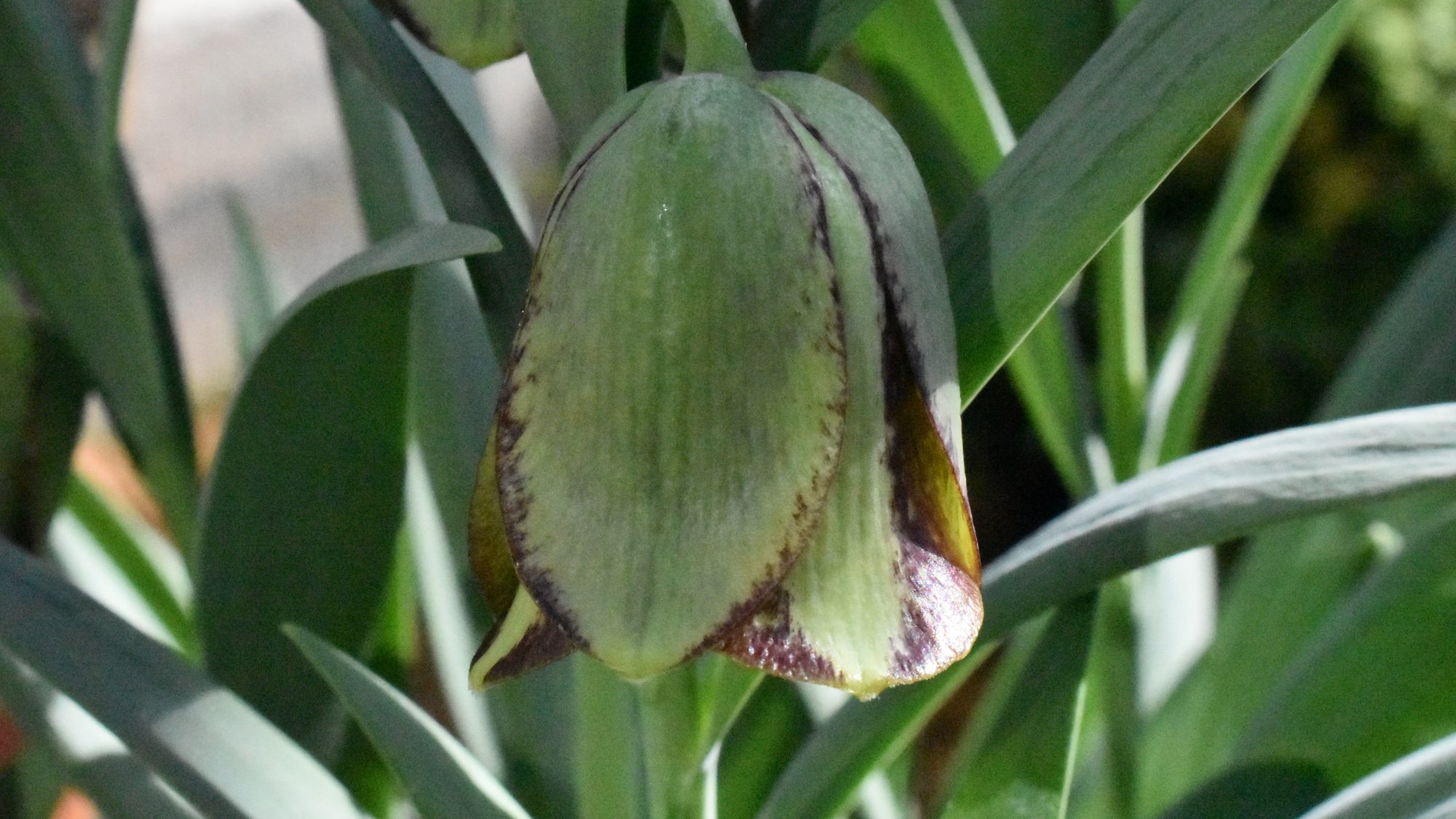
Pendent green and purple-brown, bell-shaped flower.
Home Plants Fritillaria hermonis
Share Created with Sketch.
  • Email Share this with Email
  • Facebook Share this with Facebook
  • Twitter Share this with Twitter
  • Pinterest Share this with Pinterest
  • WhatsApp Share this with WhatsApp
  • Google + Share this with Google plus

Fritillaria hermonis

View plant on map View all plants

This charming species can be seen in the Mountains House.

The Garden holds a National Collection of European Fritillaria species, many of which are displayed in the Mountains House at peak of flower. This bulbous genus takes its name from the Latin fritillus, meaning dice-box, or chequered, in reference to the chequered pr tessellated patterning on the petals of some species, especially on the snakeshead fritillary (F. meleagris). The genus belongs to the lily family (Liliaceae), and contains approximately 170 species from North America, Europe and Asia. Members of the genus have slender or whorled leaves and usually pendulous, tubular to conical or saucer-shaped flowers bearing six petals. F. hermonis is a striking plant with a nodding, broad, campanulate flower, and it grows well in gritty compost with protection from excessive moisture.

University of Cambridge Museums and Botanic Garden

Social

  • Follow us on YouTube
  • Follow us on Twitter
  • Follow us on Instagram
  • Follow us on Facebook
  • Follow us on Threads
  • Follow us on LinkedIn

© 2026 Cambridge University Botanic Garden

  • Privacy policy
  • Contact us