Back to the page
  • Welcome
  • Visit us
    • Visit us
    • Opening times & information
    • Visiting – travel, dogs, toilets, etc.
    • Ticket Prices
    • Pre-book tickets
    • Garden map
    • Group Visits
    • Tours
    • Press and photography
    • The Garden Café
    • The Garden Shop
  • Accessibility
  • What’s on
  • The Garden
    • The Garden
    • About the Garden
    • Horticultural Collections
    • Understanding Plant Labels
    • History of the Garden
    • Wildlife
    • Plant picks of the week
  • Learning
    • Learning
    • Schools
    • Colleges and Universities
    • Short Courses
    • Family Activities
    • Communities
    • Science on Sundays
    • Trails for Adults
    • Certificate in Botanical Horticulture
  • Science
    • Science
    • Our Science Staff
    • Our Staff Publications
    • Your Science
    • Supporting Your Research
    • Phenology Project
  • Collections
    • Collections
    • Living Collections
    • Seed Bank
    • Herbarium
    • Cory Library
    • Archives
    • Living Collections Portal
    • Botanic Dyes
  • News
  • Support Us
  • Friends
    • Friends
    • Join the Friends
    • Friends’ Events
    • Corporate Support and Corporate Friends
    • Gift Memberships
Donate
Cambridge University Botanic Garden
menu

Today's Opening Times:
10:00am - 4:00pm

  • News
  • Support Us
  • Contact Us
  • Donate
  • Home
  • Visit us
    • Ticket Prices
    • Opening times & Information
    • Visiting – travel, dogs, toilets, etc.
    • Garden Map
    • Group Visits
    • Tours
    • Pre-book tickets
    • Press & Photography
    • The Garden Shop
    • The Garden Café
    • Accessibility
    • Virtual Visits
  • What’s on
  • The Garden
    • About the Garden
    • Horticultural Collections
    • Understanding Plant Labels
    • History of the Garden
    • Wildlife
    • Plant picks of the week
  • Learning
    • Schools
    • Colleges and Universities
    • Short Courses
    • Family Activities
    • Communities
    • Science on Sundays
    • Trails for Adults
    • Certificate in Botanical Horticulture
  • Science
    • Our Science Staff
    • Our Staff Publications
    • Your Science
    • Supported Publications
    • Supporting Your Research
    • Phenology Project
  • Collections
    • Living Collections
    • Herbarium
    • Seed Bank
    • Cory Library
    • Archives
    • Collecting Expeditions
    • National Plant Collections ®
    • Living Collections Portal
    • Botanic Dyes
  • Friends
    • Join the Friends
    • Gift Memberships
    • Friends’ Events
    • Corporate Support and Corporate Friends
  • Open search panel
Close search panel
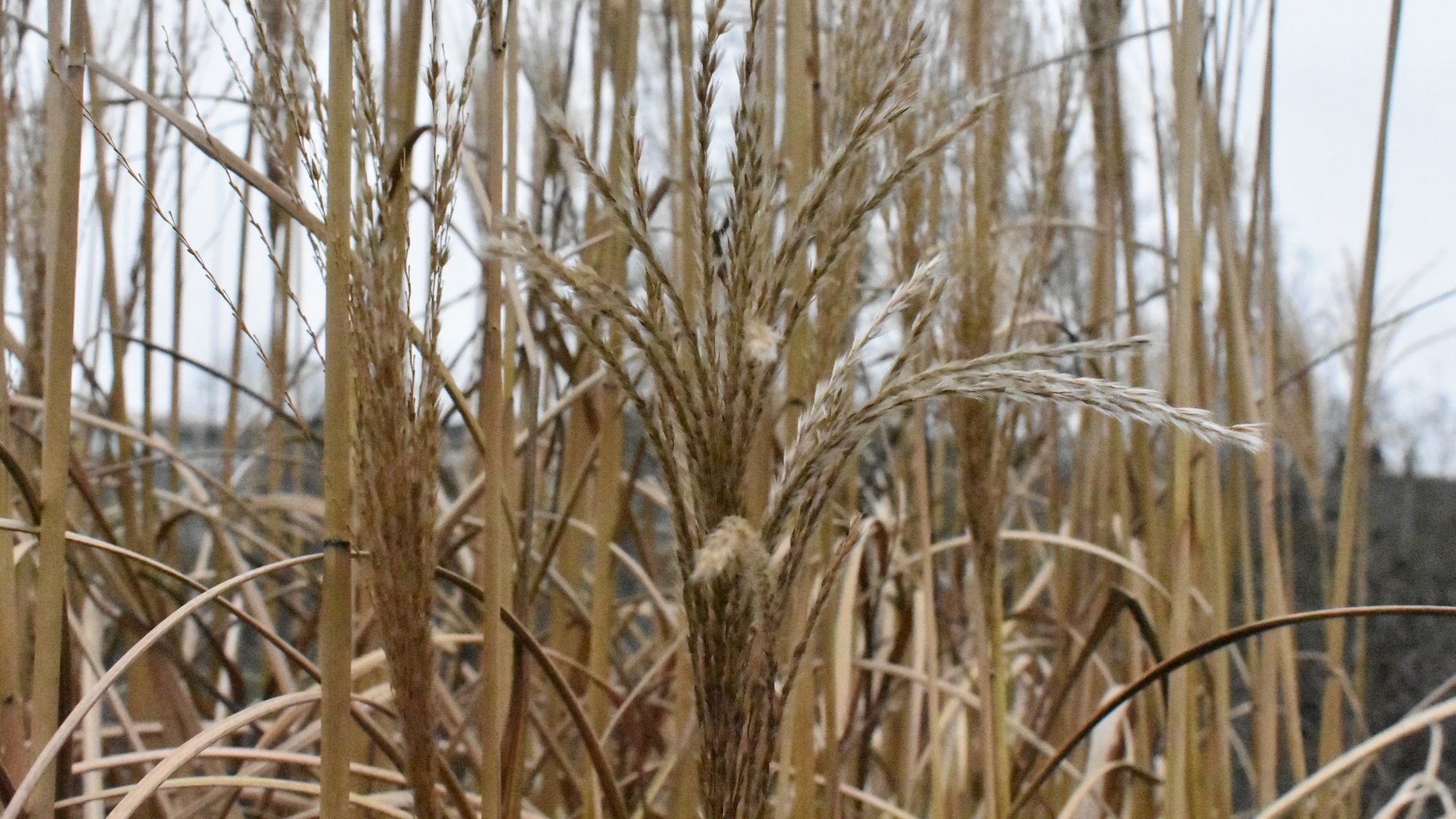
Erect, dried, grass seed heads.
Home Plants Miscanthus sinensis ‘Krater’
Share Created with Sketch.
  • Email Share this with Email
  • Facebook Share this with Facebook
  • Twitter Share this with Twitter
  • Pinterest Share this with Pinterest
  • WhatsApp Share this with WhatsApp
  • Google + Share this with Google plus

Miscanthus sinensis ‘Krater’

View plant on map View all plants

This ornamental grass retains its seed heads and erect stems to provide winter structure on the Herbaceous Beds.

Ornamental grasses are greatly valued for their texture and form in the garden, and while many are selected for their mid-late summer interest, they also persist to provide valuable winter interest, and shelter and food for insects and birds. Miscanthus sinensis ‘Krater’ is a clump-forming selection with erect, reed-like stems to 1.5m tall. In late summer it produces panicles of plume-like, silky red spikelets, which take on golden tones in winter. M. sinensis is an Asian species which has been bred for its ornamental value. The genus Miscanthus contains approximately 20 species of deciduous grasses from eastern Asia and southern Africa. A number of these are used commercially for roof thatch, and also as a bio-fuel.

University of Cambridge Museums and Botanic Garden

Social

  • Follow us on YouTube
  • Follow us on Twitter
  • Follow us on Instagram
  • Follow us on Facebook
  • Follow us on Threads
  • Follow us on LinkedIn

© 2026 Cambridge University Botanic Garden

  • Privacy policy
  • Contact us