Back to the page
  • Welcome
  • Visit us
    • Visit us
    • Opening times & information
    • Book Tickets
    • Visiting – travel, dogs, toilets, etc.
    • Garden map
    • Group Visits
    • Tours
    • Press and photography
    • The Garden Café
    • Garden Shops
  • Accessibility
  • What’s on
  • The Garden
    • The Garden
    • About the Garden
    • Horticultural Collections
    • Understanding Plant Labels
    • History of the Garden
    • Wildlife
    • Plant picks of the week
  • Learning
    • Learning
    • Short Courses
    • Certificate in Horticulture
    • Certificate in Botany
    • Schools
    • Colleges and Universities
    • Family Activities
    • Communities
    • Science on Sundays
    • Trails for Adults
  • Science
    • Science
    • Our Science Staff
    • Our Staff Publications
    • Your Science
    • Supporting Your Research
    • Phenology Project
  • Collections
    • Collections
    • Living Collections
    • Seed Bank
    • Herbarium
    • Cory Library
    • Archives
    • Living Collections Portal
    • Botanic Dyes
  • News
  • Support Us
  • Friends
    • Friends
    • Join the Friends
    • Friends’ Events
    • Corporate Support and Corporate Friends
    • Gift Membership Vouchers
Donate

Parts of the Glasshouse Range will be closed from 20 April for a few weeks while essential repairs are carried out to the internal walkway. During this time, half of the Glasshouse Range will be inaccessible to visitors. We apologise for any inconvenience.

Cambridge University Botanic Garden
menu

Today's Opening Times:
10:00am - 6:00pm

  • News
  • Support Us
  • Contact Us
  • Donate
  • Home
  • Visit us
    • Opening times & Information
    • Book Tickets
    • Visiting – travel, dogs, toilets, etc.
    • Garden Map
    • Group Visits
    • Tours
    • Press & Photography
    • Garden Shops
    • The Garden Café
    • Accessibility
    • Virtual Visits
  • What’s on
  • The Garden
    • About the Garden
    • Horticultural Collections
    • Understanding Plant Labels
    • History of the Garden
    • Wildlife
    • Plant picks of the week
  • Learning
    • Short Courses
    • Certificate in Horticulture
    • Certificate in Botany
    • Schools
    • Colleges and Universities
    • Family Activities
    • Communities
    • Science on Sundays
    • Trails for Adults
  • Science
    • Our Science Staff
    • Our Staff Publications
    • Your Science
    • Supported Publications
    • Supporting Your Research
    • Phenology Project
  • Collections
    • Living Collections
    • Herbarium
    • Seed Bank
    • Cory Library
    • Archives
    • Collecting Expeditions
    • National Plant Collections ®
    • Living Collections Portal
    • Botanic Dyes
  • Friends
    • Join the Friends
    • Gift Membership Vouchers
    • Friends’ Events
    • Corporate Support and Corporate Friends
  • Open search panel
Close search panel
Back to listing
Home News Research and Science news Cambridge University Botanic Garden to host European Botanic Gardens Consortium meeting
Share Created with Sketch.
  • Email Share this with Email
  • Facebook Share this with Facebook
  • Twitter Share this with Twitter
  • Pinterest Share this with Pinterest
  • WhatsApp Share this with WhatsApp
  • Google + Share this with Google plus

Cambridge University Botanic Garden to host European Botanic Gardens Consortium meeting

05 May 2026

Cambridge University Botanic Garden (CUBG) will welcome delegates from across Europe this May, as it hosts a meeting of the European Botanic Gardens Consortium, bringing together leading gardens to share ideas, expertise and solutions to some of the most pressing challenges facing plants and people.

The Consortium helps strengthen collaboration between botanic gardens across Europe, supporting plant conservation, scientific research, education and the sharing of best practice. By working together, member gardens can have a greater collective impact in protecting plant diversity and responding to environmental change.

“Botanic gardens have never been more important as centres for conservation, research and public engagement for people to learn and discover more about plants.”

CUBG Curator, Professor Sam Brockington

CUBG’s Curator Professor Sam Brockington says: “Botanic gardens have never been more important as centres for conservation, research and public engagement for people to learn and discover more about plants. We are delighted to be part of this amazing network and to welcome our partners and colleagues from across Europe to Cambridge, to share knowledge, strengthen partnerships and work together on the urgent challenges. A particular focus of this year’s meeting will be the development of the global data ecosystem for the world’s living plant collections.”

The meeting at Cambridge will include a programme of short presentations from gardens across Europe, showcasing projects ranging from seed banking and habitat restoration to public engagement, education programmes and the conservation of threatened species. Delegates from over 20 European countries are expected to attend.

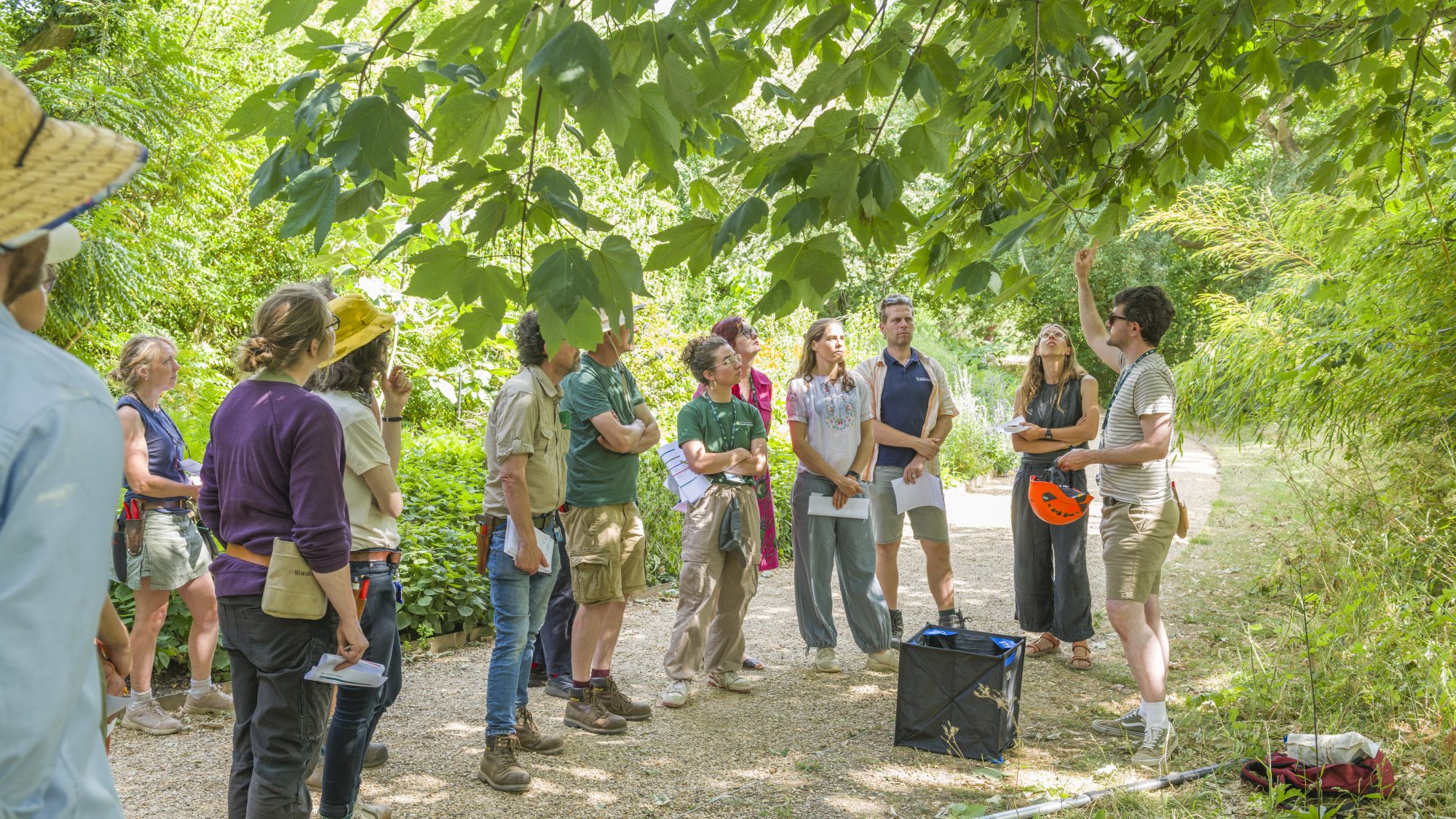
A group of 5 people standing around a section of tall meadow examining and collecting seed
CUBG team collecting seed Click for information
Two members of staff in behind a garden border with an ipad recording the plants in the collection
CUBG staff monitoring and updating the Living Collections records Click for information
A man standing next to a small tree, protected by a wooden barrier using precise positioning equipment - consisting of a long black pole with a r rectangular recording gadget on the top
Mapping woody plants using precise positioning equipment Click for information
A member of staff cutting plant material and mounting it on newspaper for a herbarium specimen
Making a herbarium specimen Click for information
A group of three people standing on a path surrounded by tall grass as they examine and collect seed
Members of staff sourcing and collecting seed Click for information
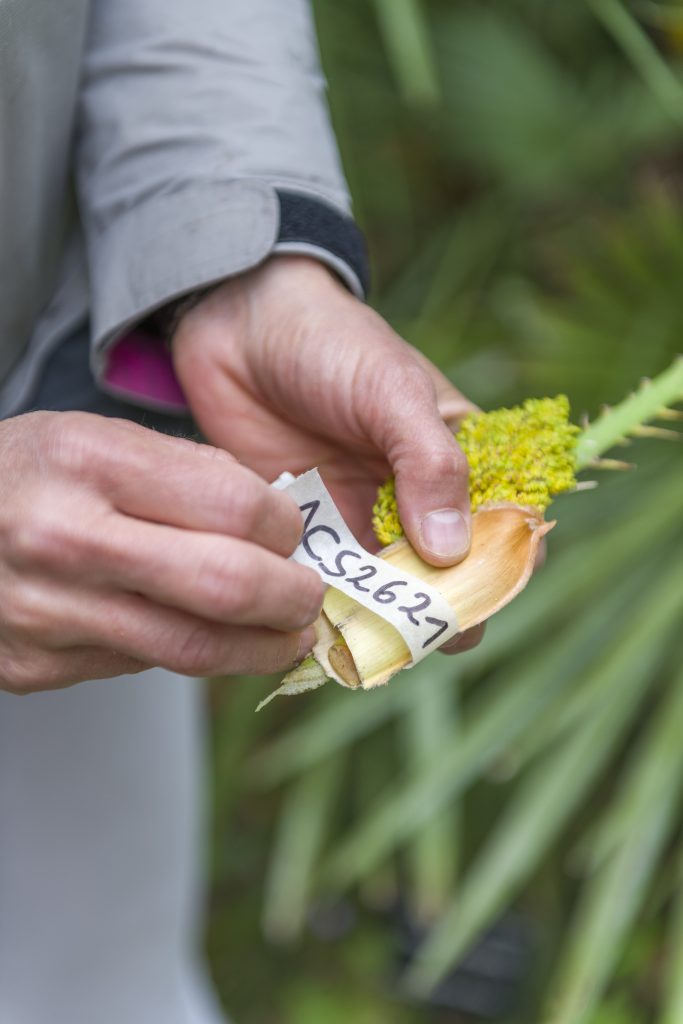
Showing a pair of hands which are wrapping a label consisting of letters and numbers around some collected plant material
Collecting and labelling material for creating a herbarium specimen Click for information

Topics on the agenda reflect many of the shared priorities for botanic gardens today, including climate resilience, biodiversity loss, plant collecting, safeguarding rare and useful plants, horticultural innovation, and finding new ways to connect communities with the natural world.

Hosting the meeting highlights CUBG as an internationally connected garden contributing to plant science, conservation and public engagement. It also provides an opportunity to build new partnerships and share CUBG’s own work on the data ecosystem concept with colleagues from across Europe.

You may also be interested in

From collections to connections: CUBG’s Curator leads global plant data report

From collections to connections: CUBG’s Curator leads global plant data report

A new international report argues that better-connected data systems could unlock powerful insights for plant conservation
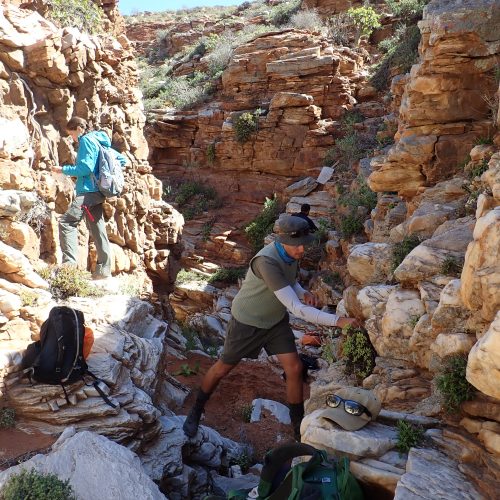
Collecting Expeditions

Collecting Expeditions

Collecting expeditions are an essential activity to ensure that our living collections are stocked with living material of wild provenance
Living Collections Manual

Living Collections Manual

Documenting the standards, processes, and expertise that underpin living collections management.
University of Cambridge Museums and Botanic Garden

Social

  • Follow us on YouTube
  • Follow us on Twitter
  • Follow us on Instagram
  • Follow us on Facebook
  • Follow us on Threads
  • Follow us on LinkedIn

© 2026 Cambridge University Botanic Garden

  • Privacy policy
  • Contact us