Arbutus unedo
Strawberry Tree
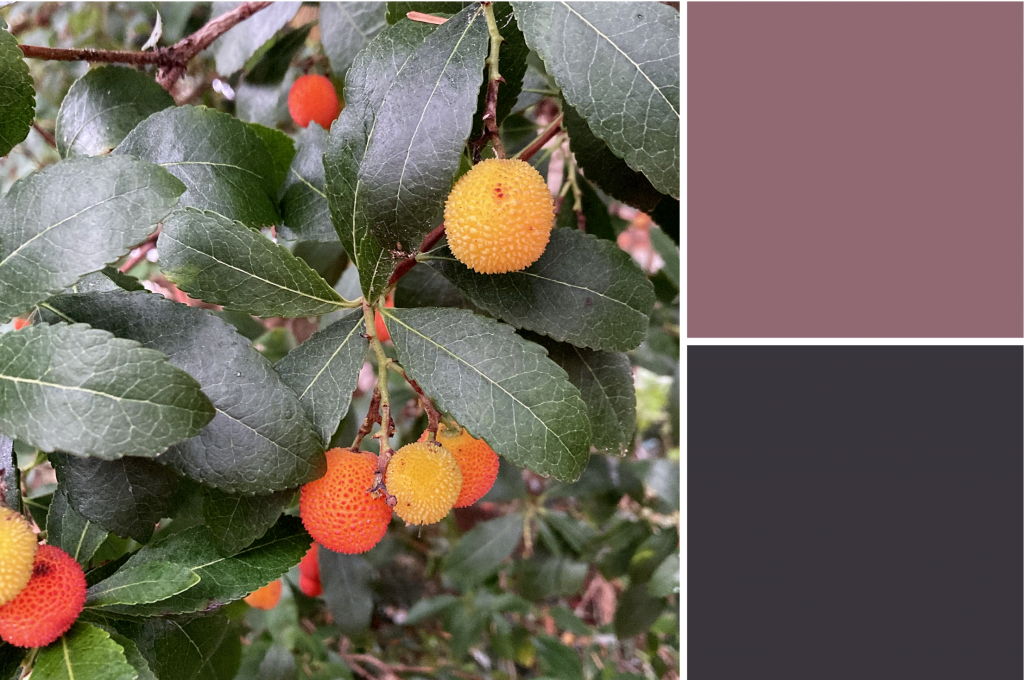
|
Accession Number |
Taxon Name |
Common Name |
Family |
|
19760121*A |
Arbutus unedo |
Strawberry Tree |
Ericaceae |
|
Provenance |
Part of Plant |
Location Code |
Season |
|
Old World |
Fruits |
NW14-2 |
Autumn |
Method:
- The fruits are heated in water and reduced by half
- Add Iron Sulphate mordant to the dye (pH2) = Black-Grey
- Add Tin mordant to the dye (pH2) = Pinkish
Castanea sativa
Sweet Chestnut
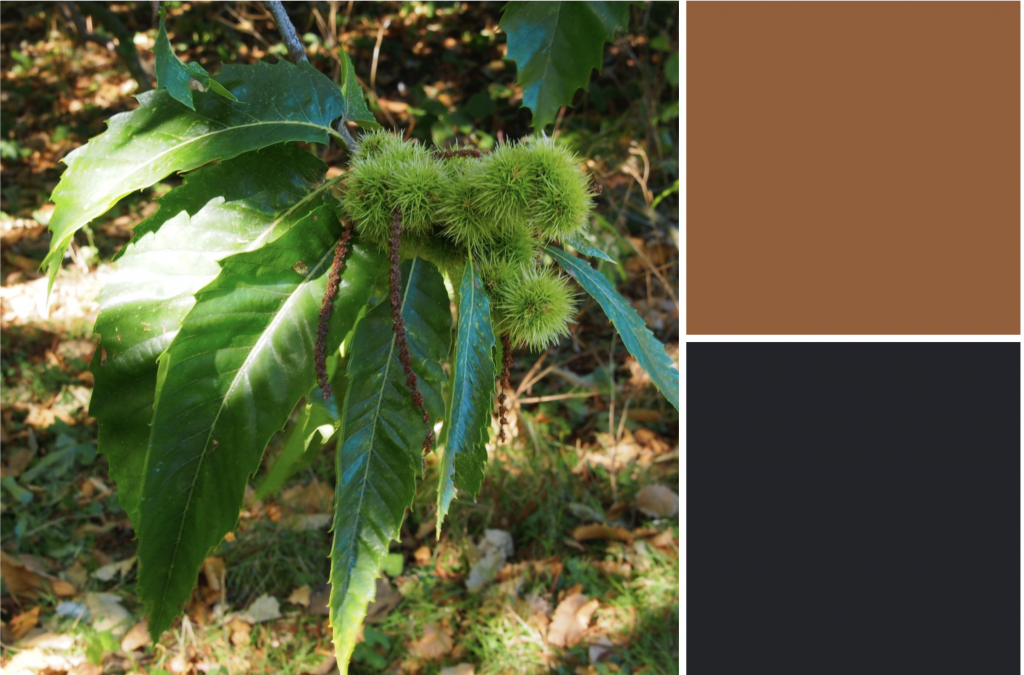
|
Accession Number |
Taxon Name |
Common Name |
Family |
|
10005834*A |
Castanea sativa |
Sweet Chestnut |
Fagaceae |
|
Provenance |
Part of Plant |
Location Code |
Season |
|
Asia / Europe |
Leaves |
NW17-18 |
Summer – Autumn |
Method:
- The leaves are ripped into small pieces and left to soak over night in scalding water, then reheated and reduced by half (pH7)
- Add Iron Sulphate mordant to the dye (pH2) = Black
- Add Potash mordant to the dye (pH12) = Brownish-Yellow
Cotinus coggygria
Smoke Tree
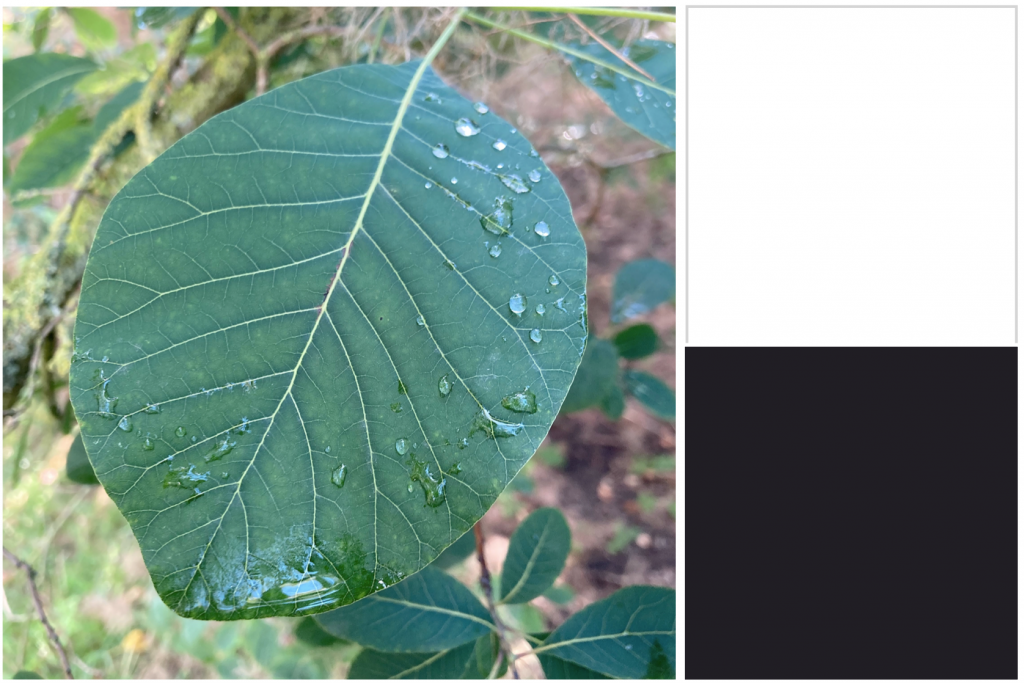
|
Accession Number |
Taxon Name |
Common Name |
Family |
|
19940020*A |
Cotinus coggygria |
Smoke Tree |
Anacardiaceae |
|
Provenance |
Part of Plant |
Location Code |
Season |
|
Old World |
Leaves |
NW18 |
Spring – Autumn |
Method:
- The leaves are ripped into small pieces and left to soak over night in scalding water, then reheated and reduced by half (pH6)
- Add Iron Sulphate mordant to the dye (pH1) = Black
Gunnera manicata
Giant Rhubarb
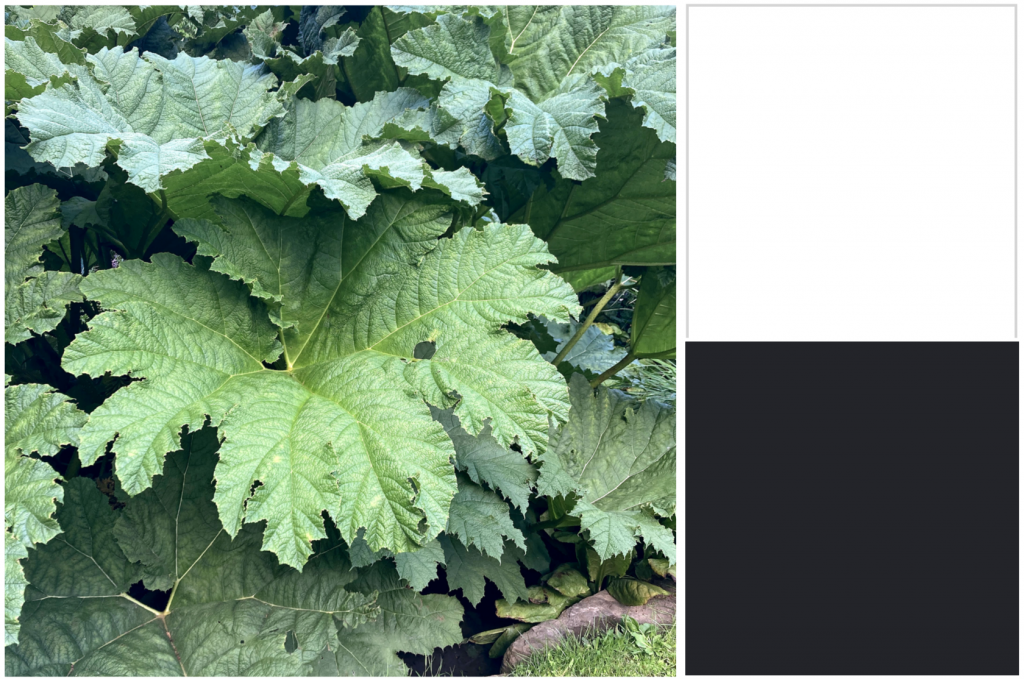
|
Accession Number |
Taxon Name |
Common Name |
Family |
|
19530139 |
Gunnera manicata |
Giant Rhubarb |
Gunneraceae |
|
Provenance |
Part of Plant |
Location Code |
Season |
|
Endemic to Brazil |
Roots |
NW7 |
Autumn – Winter |
Method:
- The roots are soaked over night in water, reheated and reduced to a third (pH2)
- Add Iron Sulphate mordant to the dye (pH2) = Black
Morus nigra
Black Mulberry
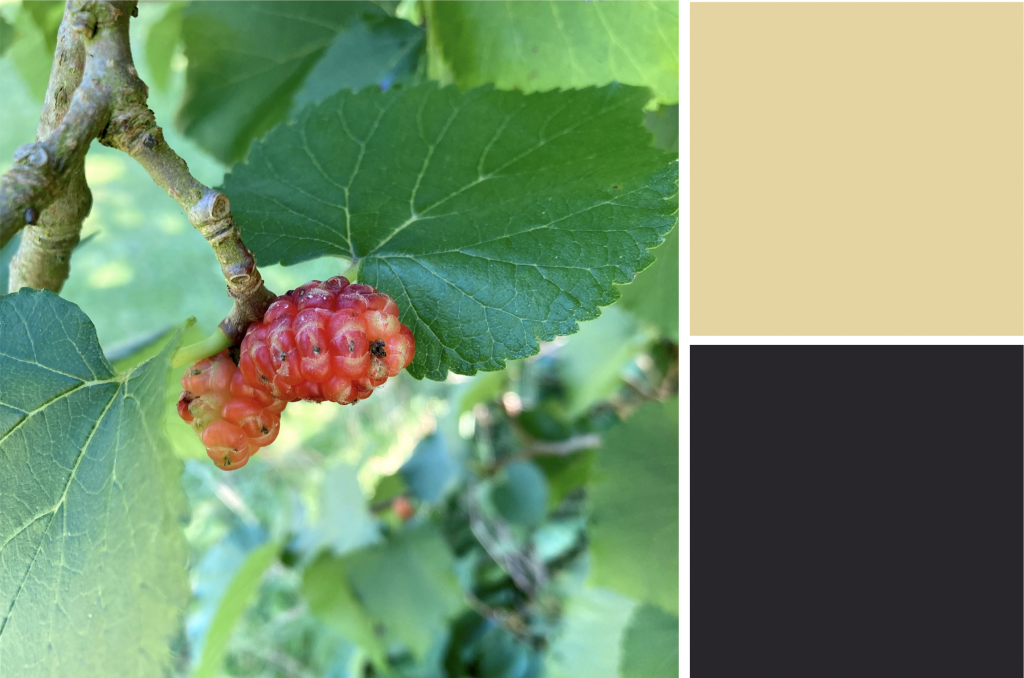
|
Accession Number |
Taxon Name |
Common Name |
Family |
|
19880440*A |
Morus nigra |
Black Mulberry |
Moraceae |
|
Provenance |
Part of Plant |
Location Code |
Season |
|
Endemic to Iran |
Leaves |
SE4 |
Summer |
Method:
- The leaves are ripped into small pieces then heated in water and reduced by half (pH8)
- Add Iron Sulphate to the dye (pH4) = Green then turns Black
- Add Alum mordant to the dye (pH4) = Yellow-Tan
Oenothera biennis
Evening Primrose
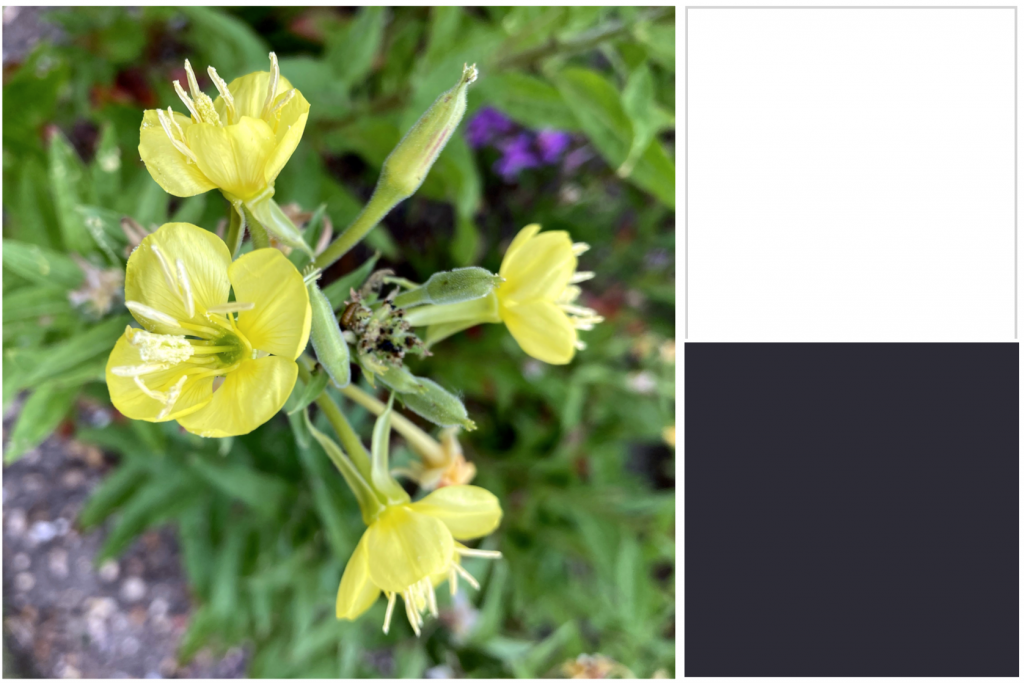
|
Accession Number |
Taxon Name |
Common Name |
Family |
|
20110092*A |
Oenothera biennis |
Evening Primrose |
Onagraceae |
|
Provenance |
Part of Plant |
Location Code |
Season |
|
N America |
Flowers |
SW9-7 |
Summer |
Method:
- Heated a handful of flowers in water and reduced by half (pH7)
- Add Iron Sulphate mordant to the dye (pH4) = Grey-Black
- Add Alum mordant to the dye (pH3) = Soft Mustard Yellow
Osmanthus decorus
Osmanthus
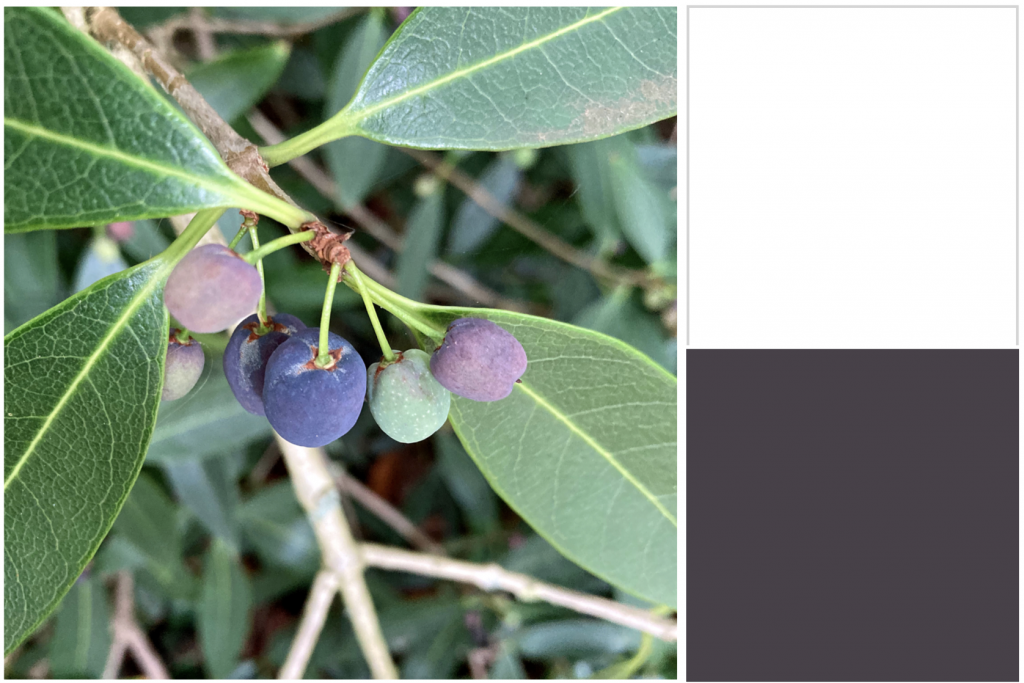
|
Accession Number |
Taxon Name |
Common Name |
Family |
|
10006382*A |
Osmanthus decorus |
Osmanthus |
Oleaceae |
|
Provenance |
Part of Plant |
Location Code |
Season |
|
Turkey |
Fruit |
SW14 |
Summer |
Method:
- The leaves are ripped into small pieces then heated in water and reduced by half (pH8)
- Add Iron Sulphate mordant to the dye (pH4) = Grey-Black
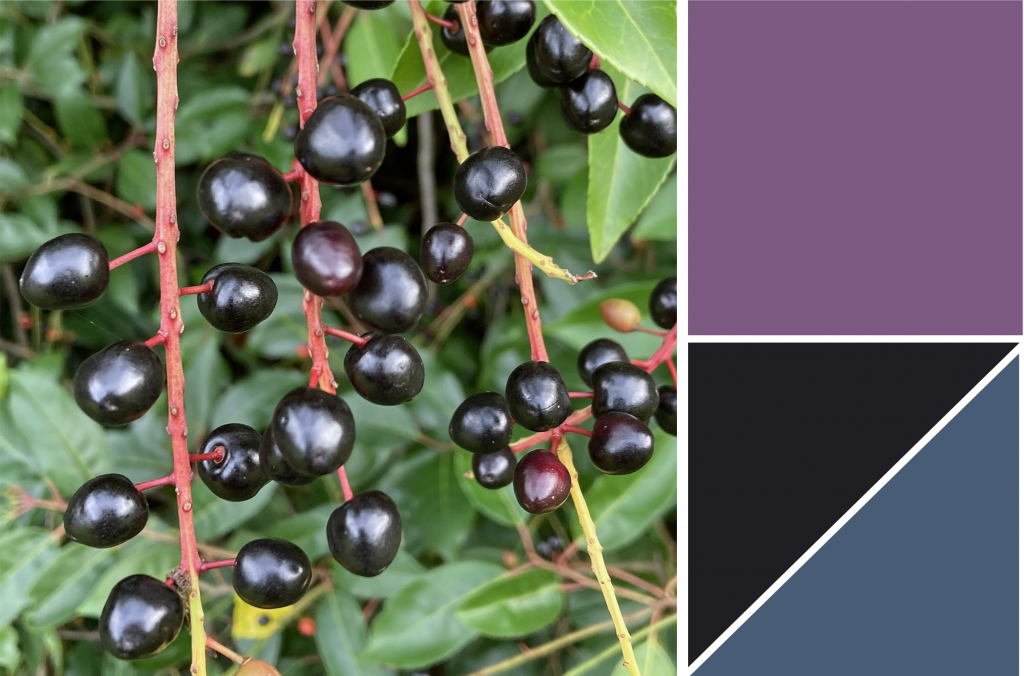
Prunus lusitanica
Portuguese Laurel
|
Accession Number |
Taxon Name |
Common Name |
Family |
|
19762597*A |
Prunus lusitanica |
Portuguese Laurel |
Rosaceae |
|
Provenance |
Part of Plant |
Location Code |
Season |
|
N Africa / Europe |
Ripe Berries |
NW17 |
Summer – Autumn |
Method:
- Heated a handful of ripe berries in clear vinegar
- No mordant used on chamois leather (pH4) = Blue-Black
- No mordant on cotton = Blue
- Add Tin mordant to the dye (pH2) = Pinkish-Purple
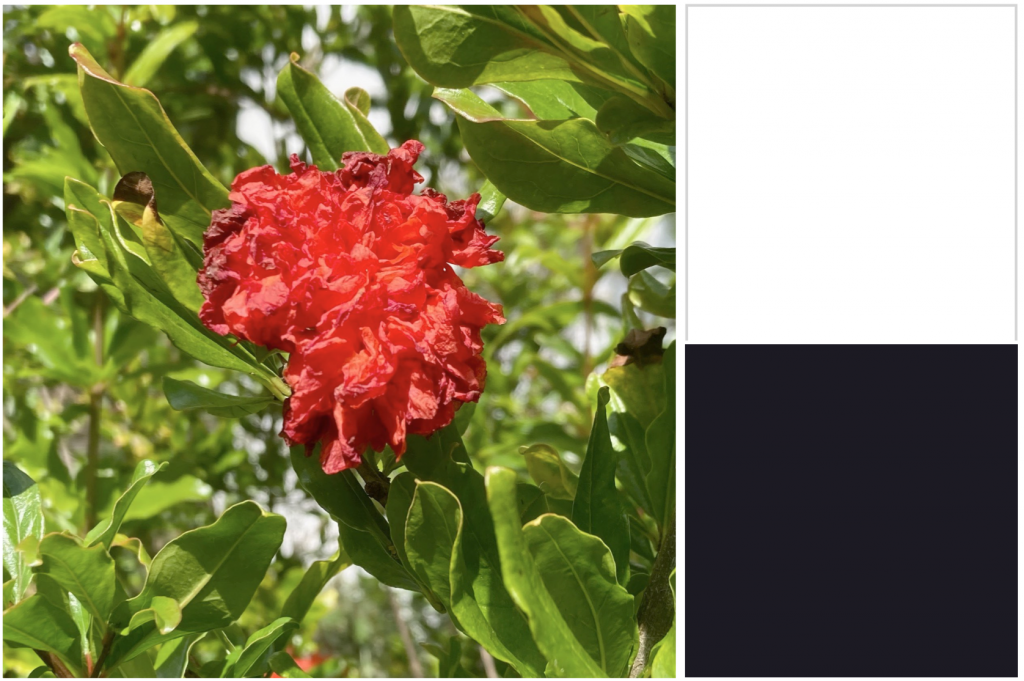
Punica granatum
Pomegranate
|
Accession Number |
Taxon Name |
Common Name |
Family |
|
19690183*A |
Punica granatum |
Pomegranate |
Lythraceae |
|
Provenance |
Part of Plant |
Location Code |
Season |
|
CUBG – Tropical Asia |
Flowers |
NE5 |
Summer – Autumn |
Method:
- Heat a handful of pomegranate flowers in water and reduce by half
- Add Iron Sulphate mordant (pH2) = Black
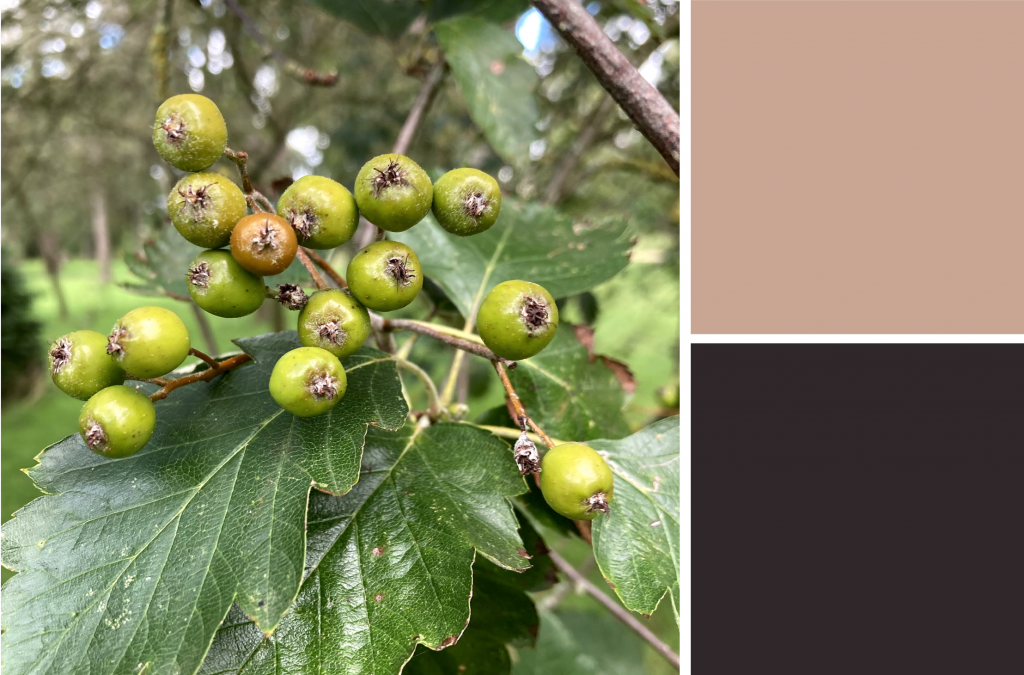
Sorbus intermedia
Swedish White-beam
|
Accession Number |
Taxon Name |
Common Name |
Family |
|
19550252*A |
Sorbus intermedia |
Swedish White-beam |
Rosaceae |
|
Provenance |
Part of Plant |
Location Code |
Season |
|
N Europe |
Unripe Berries |
SW16 |
Summer |
Method:
- Crush and heat the berries in water for several hours and reduce by half (pH4)
- Add Iron Sulphate mordant to the dye (pH4) = Green then turns Black on chamois leather
- Add Potash mordant to the dye (pH12) = Pinkish Fawn
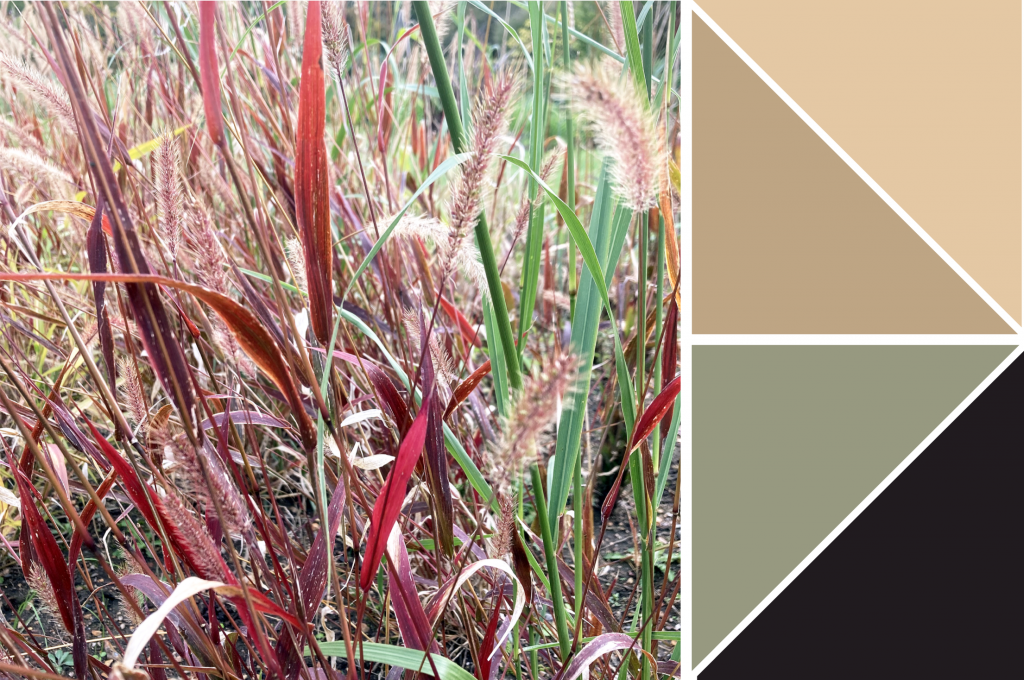
Sorghum bicolor
Kafir Corn
|
Accession Number |
Taxon Name |
Common Name |
Family |
|
20070024*D |
Sorghum bicolor |
Kafir Corn |
Panicoideae |
|
Provenance |
Part of Plant |
Location Code |
Season |
|
Tropical Africa |
Leaves |
Behind the Scenes |
Summer – Autumn |
Method:
- Scald the red leaves in water and left over night, reheated and reduced by half (pH7)
- Add Iron Sulphate mordant to the dye (pH1) = Dark Brown then turns Black on chamois leather
- Add Potash mordant to the dye (pH12) = Greenish-Yellow / Tan-Yellow
- Add Tin mordant to the dye (pH2) = Purple then turn Green on chamois leather