Back to the page
  • Welcome
  • Visit us
    • Visit us
    • Opening times & information
    • Book Tickets
    • Visiting – travel, dogs, toilets, etc.
    • Garden map
    • Group Visits
    • Tours
    • Press and photography
    • The Garden Café
    • Garden Shops
  • Accessibility
  • What’s on
  • The Garden
    • The Garden
    • About the Garden
    • Horticultural Collections
    • Understanding Plant Labels
    • History of the Garden
    • Wildlife
    • Plant picks of the week
  • Learning
    • Learning
    • Short Courses
    • Certificate in Horticulture
    • Certificate in Botany
    • Schools
    • Colleges and Universities
    • Family Activities
    • Communities
    • Science on Sundays
    • Trails for Adults
  • Science
    • Science
    • Our Science Staff
    • Our Staff Publications
    • Your Science
    • Supporting Your Research
    • Phenology Project
  • Collections
    • Collections
    • Living Collections
    • Seed Bank
    • Herbarium
    • Cory Library
    • Archives
    • Living Collections Portal
    • Botanic Dyes
  • News
  • Support Us
  • Friends
    • Friends
    • Join the Friends
    • Friends’ Events
    • Corporate Support and Corporate Friends
    • Gift Membership Vouchers
Donate

Parts of the Glasshouse Range will be closed from 20 April for a few weeks while essential repairs are carried out to the internal walkway. During this time, half of the Glasshouse Range will be inaccessible to visitors. We apologise for any inconvenience.

Cambridge University Botanic Garden
menu

Today's Opening Times:
10:00am - 6:00pm

  • News
  • Support Us
  • Contact Us
  • Donate
  • Home
  • Visit us
    • Opening times & Information
    • Book Tickets
    • Visiting – travel, dogs, toilets, etc.
    • Garden Map
    • Group Visits
    • Tours
    • Press & Photography
    • Garden Shops
    • The Garden Café
    • Accessibility
    • Virtual Visits
  • What’s on
  • The Garden
    • About the Garden
    • Horticultural Collections
    • Understanding Plant Labels
    • History of the Garden
    • Wildlife
    • Plant picks of the week
  • Learning
    • Short Courses
    • Certificate in Horticulture
    • Certificate in Botany
    • Schools
    • Colleges and Universities
    • Family Activities
    • Communities
    • Science on Sundays
    • Trails for Adults
  • Science
    • Our Science Staff
    • Our Staff Publications
    • Your Science
    • Supported Publications
    • Supporting Your Research
    • Phenology Project
  • Collections
    • Living Collections
    • Herbarium
    • Seed Bank
    • Cory Library
    • Archives
    • Collecting Expeditions
    • National Plant Collections ®
    • Living Collections Portal
    • Botanic Dyes
  • Friends
    • Join the Friends
    • Gift Membership Vouchers
    • Friends’ Events
    • Corporate Support and Corporate Friends
  • Open search panel
Close search panel
Salix aegyptiaca
Home Plants Salix aegyptiaca
Share Created with Sketch.
  • Email Share this with Email
  • Facebook Share this with Facebook
  • Twitter Share this with Twitter
  • Pinterest Share this with Pinterest
  • WhatsApp Share this with WhatsApp
  • Google + Share this with Google plus

Salix aegyptiaca

View all plants

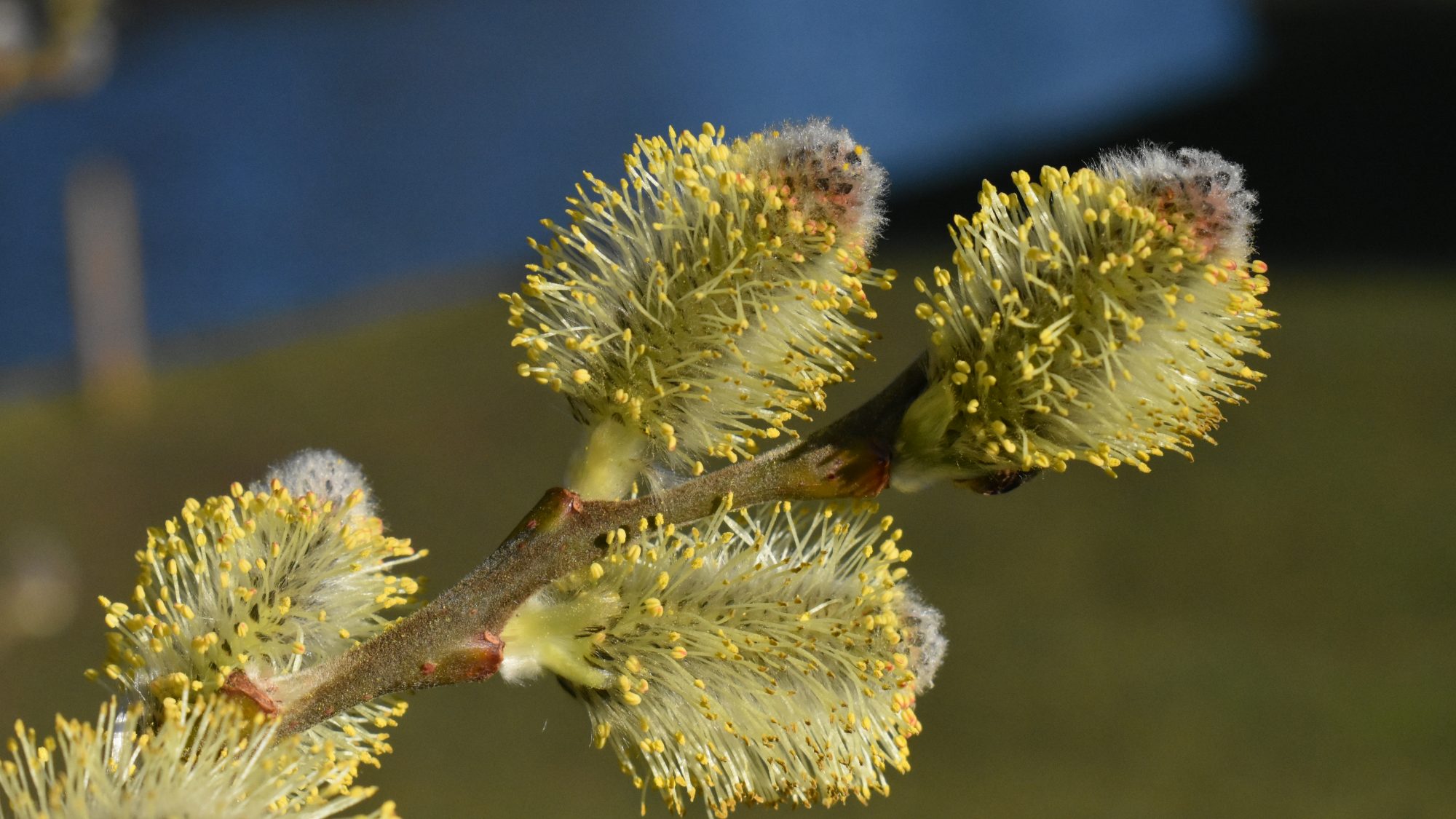
Growing beside the Lake this solitary tree is displaying attractive fat catkins.

Salix aegyptiaca (musk mallow) is a small tree which reaches 10m in height, though it is usually grown a shrub to 5m height, and bears red-purple shoots and obovate leaves. During winter it produces almost sessile (stemless) slender female catkins. It is the short, stout male catkins though which grab attention, initially emerging covered in a silky down, and eventually producing attractive yellow anthers. Several small, silky leaves sit at the base of both the female and male catkins. This is a native of eastern Turkey and Iran, and it was first recorded in cultivation at Innsbruck Botanic Garden in 1874. The male catkins were considered a delicacy of its native habitat, where they were used to produce a perfumed drink, and sugared and eaten as sweets. The catkins have also been used to perfume linen.

University of Cambridge Museums and Botanic Garden

Social

  • Follow us on YouTube
  • Follow us on Twitter
  • Follow us on Instagram
  • Follow us on Facebook
  • Follow us on Threads
  • Follow us on LinkedIn

© 2026 Cambridge University Botanic Garden

  • Privacy policy
  • Contact us