Back to the page
  • Welcome
  • Visit us
    • Visit us
    • Opening times & information
    • Book Tickets
    • Visiting – travel, dogs, toilets, etc.
    • Garden map
    • Group Visits
    • Tours
    • Press and photography
    • The Garden Café
    • Garden Shops
  • Accessibility
  • What’s on
  • The Garden
    • The Garden
    • About the Garden
    • Horticultural Collections
    • Understanding Plant Labels
    • History of the Garden
    • Wildlife
    • Plant picks of the week
  • Learning
    • Learning
    • Short Courses
    • Certificate in Horticulture
    • Certificate in Botany
    • Schools
    • Colleges and Universities
    • Family Activities
    • Communities
    • Science on Sundays
    • Trails for Adults
  • Science
    • Science
    • Our Science Staff
    • Our Staff Publications
    • Your Science
    • Supporting Your Research
    • Phenology Project
  • Collections
    • Collections
    • Living Collections
    • Seed Bank
    • Herbarium
    • Cory Library
    • Archives
    • Living Collections Portal
    • Botanic Dyes
  • News
  • Support Us
  • Friends
    • Friends
    • Join the Friends
    • Friends’ Events
    • Corporate Support and Corporate Friends
    • Gift Membership Vouchers
Donate

Parts of the Glasshouse Range will be closed from 20 April for a few weeks while essential repairs are carried out to the internal walkway. During this time, half of the Glasshouse Range will be inaccessible to visitors. We apologise for any inconvenience.

Cambridge University Botanic Garden
menu

Today's Opening Times:
10:00am - 6:00pm

  • News
  • Support Us
  • Contact Us
  • Donate
  • Home
  • Visit us
    • Opening times & Information
    • Book Tickets
    • Visiting – travel, dogs, toilets, etc.
    • Garden Map
    • Group Visits
    • Tours
    • Press & Photography
    • Garden Shops
    • The Garden Café
    • Accessibility
    • Virtual Visits
  • What’s on
  • The Garden
    • About the Garden
    • Horticultural Collections
    • Understanding Plant Labels
    • History of the Garden
    • Wildlife
    • Plant picks of the week
  • Learning
    • Short Courses
    • Certificate in Horticulture
    • Certificate in Botany
    • Schools
    • Colleges and Universities
    • Family Activities
    • Communities
    • Science on Sundays
    • Trails for Adults
  • Science
    • Our Science Staff
    • Our Staff Publications
    • Your Science
    • Supported Publications
    • Supporting Your Research
    • Phenology Project
  • Collections
    • Living Collections
    • Herbarium
    • Seed Bank
    • Cory Library
    • Archives
    • Collecting Expeditions
    • National Plant Collections ®
    • Living Collections Portal
    • Botanic Dyes
  • Friends
    • Join the Friends
    • Gift Membership Vouchers
    • Friends’ Events
    • Corporate Support and Corporate Friends
  • Open search panel
Close search panel
Home Collections Botanic Dyes Red & Pink Dyes
Share Created with Sketch.
  • Email Share this with Email
  • Facebook Share this with Facebook
  • Twitter Share this with Twitter
  • Pinterest Share this with Pinterest
  • WhatsApp Share this with WhatsApp
  • Google + Share this with Google plus

Red & Pink Dyes

Botanic Dyes: Index Dye-Catalogue

Coreopsis tinctoria

Nuttal Weed
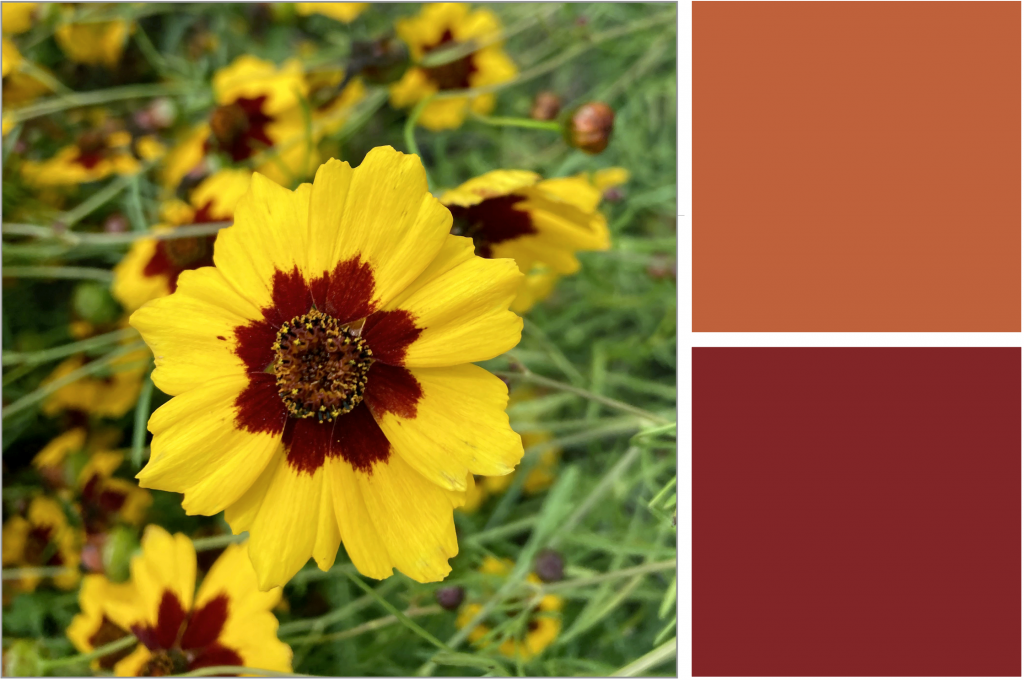
Yellow petal flower with Deep-Red center. Dye Colour: Reddish-Orange and Orange.

Accession Number

Taxon Name

Common Name

Family

20171239*B

Coreopsis tinctoria

Nuttal Weed

Asteraceae

Provenance

Part of Plant

Location Code

Season

N America

Fruits

NW14-2

Summer – Autumn


Method:

  • Heat dried or fresh flowers in water and reduced by half
  • Add bicarbonate of Soda (pH8) = Orange
  • Add Alum mordant to the dye (pH2) = Red


Hedera helix

Ivy
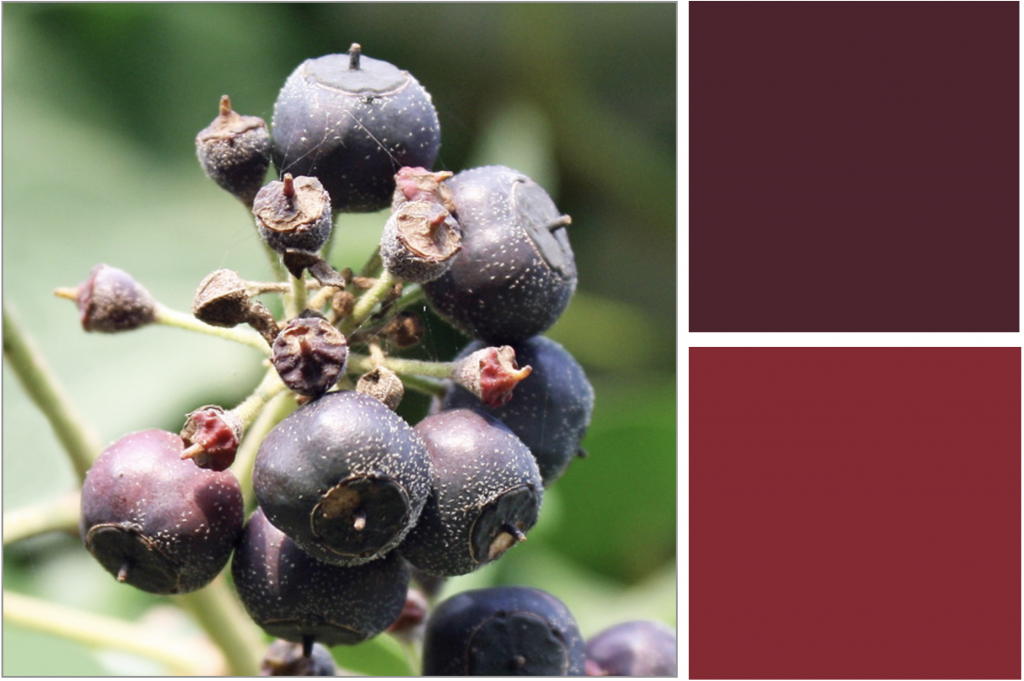
Clustered Dark-Purple berries. Dye Colour: Red and Deep Purple.

Accession Number

Taxon Name

Common Name

Family

19971027*A

Hedera helix

Ivy

Araliaceae

Provenance

Part of Plant

Location Code

Season

Garden Origin

Berries

NE7

Spring


Method:

  • 40g of ripe ivy berries are heated in 100g of white wine and 8g of powdered Gum Arabic, then reduced to 50g. The dye is then sieved through a fine mesh then reheated and reduced to 15g of dye. It is left to stand for a day.
  • Add Alum mordant (pH2) = Reddish Purple

Cambridge Open Engage: Goats Blood, Tablets and Sacred Ivy


Helleborus x hybridus

Hellebore
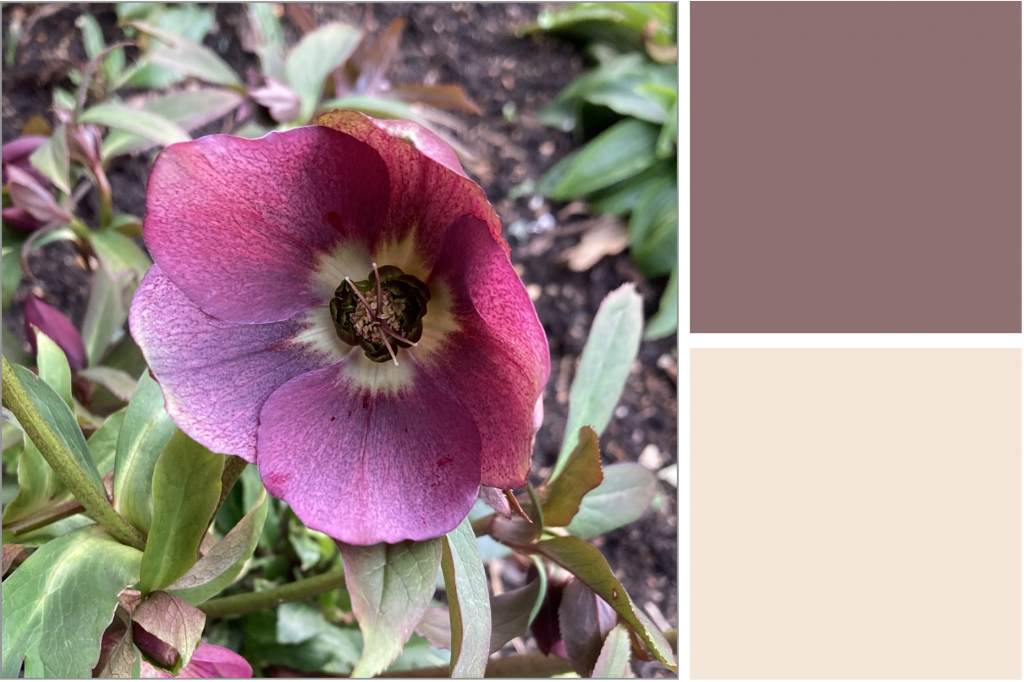
Purple flower with light sunburst radiating from the centre which is dark. Dye Colour: Pink and Purple.

Accession Number

Taxon Name

Common Name

Family

20172816*A

Helleborus x hybridus

Hellebore

Ranunculaceae

Provenance

Part of Plant

Location Code

Season

Garden Origin

Flowers

NE19-5

Spring


Method:

  • Divide the petal from the fresh flowers and heat in water (pH8)
  • Add Tin mordant (pH2) = Pink-Purple
  • Add Potash mordant (pH12) = Light Pink


Morus nigra

Black Mulberry
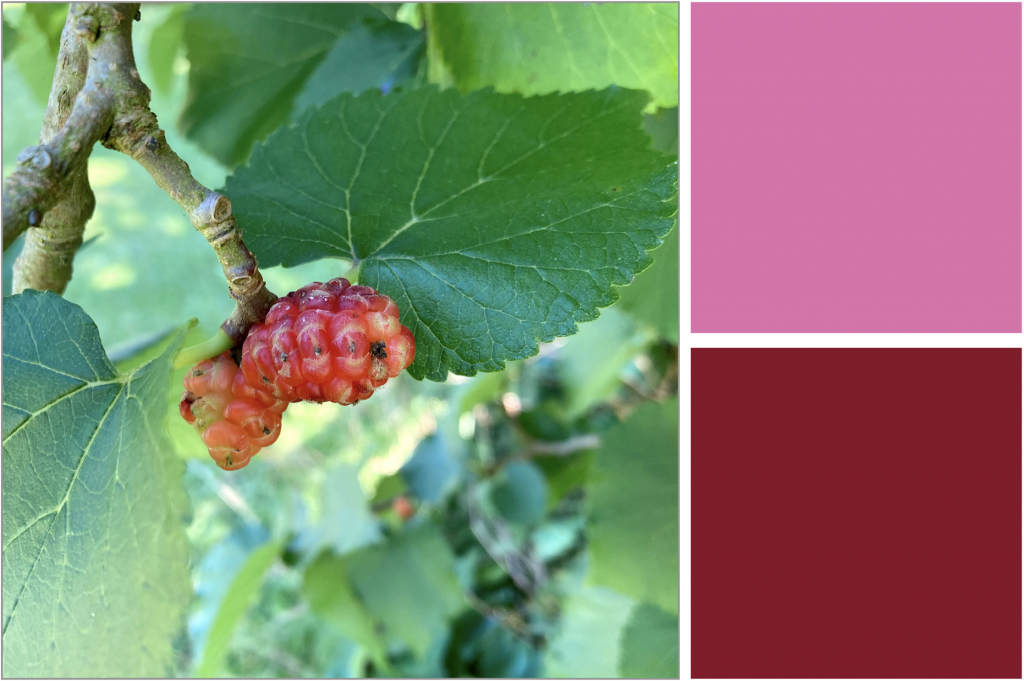
Red berries with Green jaggered leaves. Dye Colour: Red and Pink.

Accession Number

Taxon Name

Common Name

Family

19880440*A

Morus nigra

Black Mulberry

Moraceae

Provenance

Part of Plant

Location Code

Season

Endemic to Iran

Berries

SE4

Summer


Method:

  • Heat the ripe berries in water and reduced by half or more (pH3)
  • Add Alum Mordant to the dye (pH4) = Reds & Pinks


Malvaviscus arboreus

Red Hibiscus
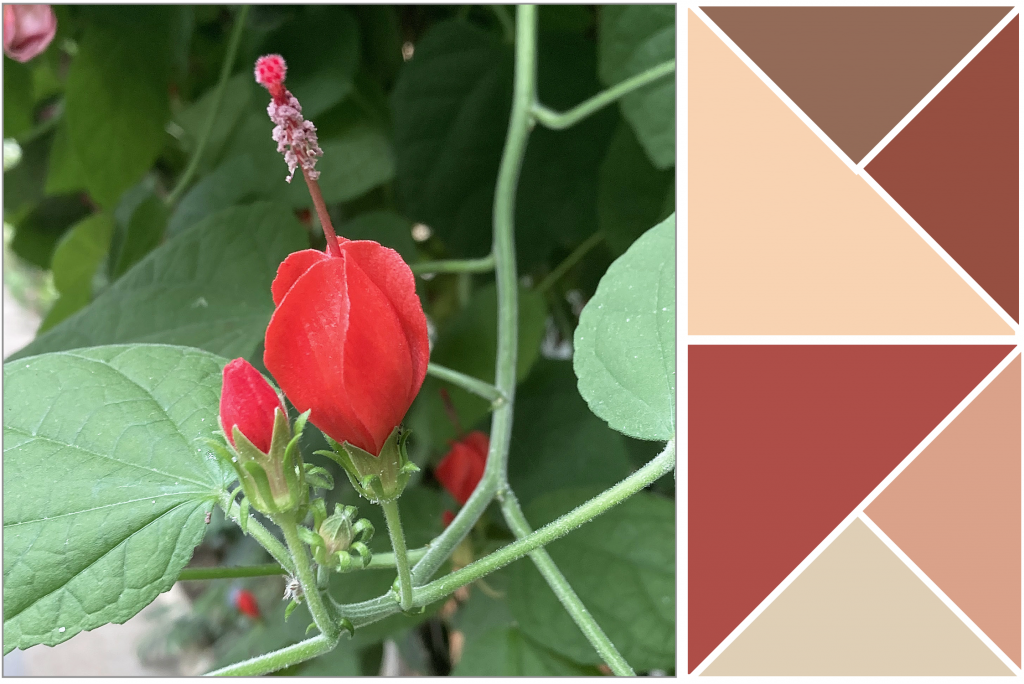
Red flower pod with Green leaves. Dye Colour: Red, Terracotta and Pink.

Accession Number

Taxon Name

Common Name

Family

10006227*A

Malvaviscus arboreus

Red Hibiscus

Malvaceae

Provenance

Part of Plant

Location Code

Season

New World

Flowers

NW15-9.5

Autumn


Method:

  • Soak the flowers over night and heat up and reduce down.
  • Add Alum mordant dye (pH4) = Light Pinks & Reddish Pinks
  • Add Potash Mordant (pH12) = Yellowish Tans
  • Add Iron Sulphate (pH1) = Browns & Tans
  • Add tin Mordant (pH2) = Pinks


Papaver rhoeas

Common Poppy
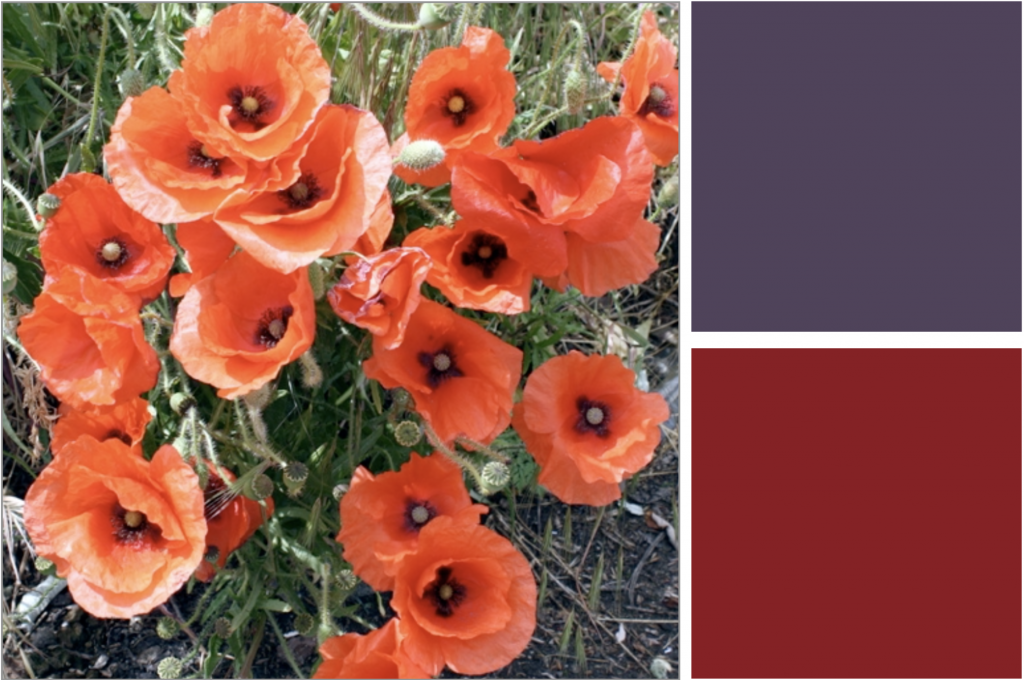
Cluster of Red flowers wih a purple cross centre and light stigma. Dye Colour: Red and Purple.

Accession Number

Taxon Name

Common Name

Family

20140057*C

Papaver rhoeas

Common Poppy

Papaveraceae

Provenance

Part of Plant

Location Code

Season

Old World

Flowers

SW5-4

Summer – Autumn


Method:

  • Heat poppy petals in white wine, reduce to 1/4 
  • Add Alum mordant, Gum Arabic and isinglass (pH3) = Red Ink
  • Add Tin mordant and a little chalk to the ink = Purple pigment
  • Add the dye to china clay = Pink pigment
  • Mix pigment with Gum Arabic or Egg White to make a paint


Rubia tinctorum

Madder
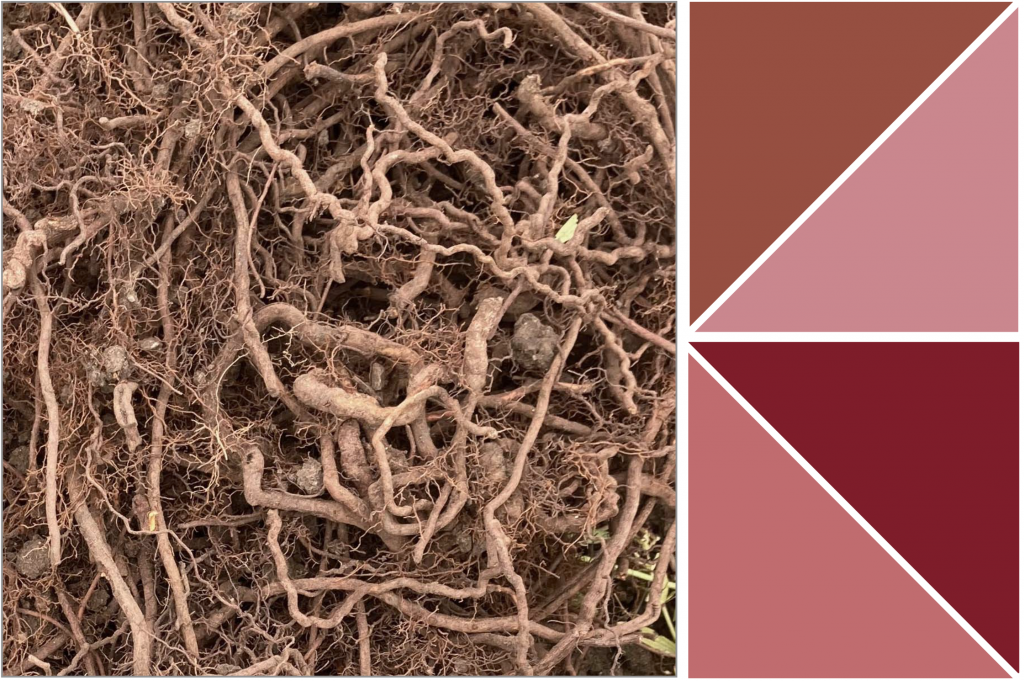
Dull Reddish-Light-Brown roots. Dye Colour: Red, Pink, Orange and Terracotta.

Accession Number

Taxon Name

Common Name

Family

19550247*B

Rubia tinctorum

Madder

Rubiaceae

Provenance

Part of Plant

Location Code

Season

Old World

Roots

SE4

All Seasons


Method:

  • Soak the roots over night and heat up gently in hard water for an hour keeping the temperature below 60ºC
  • Add Alum mordant dye (pH4) = Reds & Pinks / Oranges
  • The colour will vary depending on which material you use to dye
  • The plant should be more than 3 years old before harvesting


Sarcococca confusa

Sweet Box
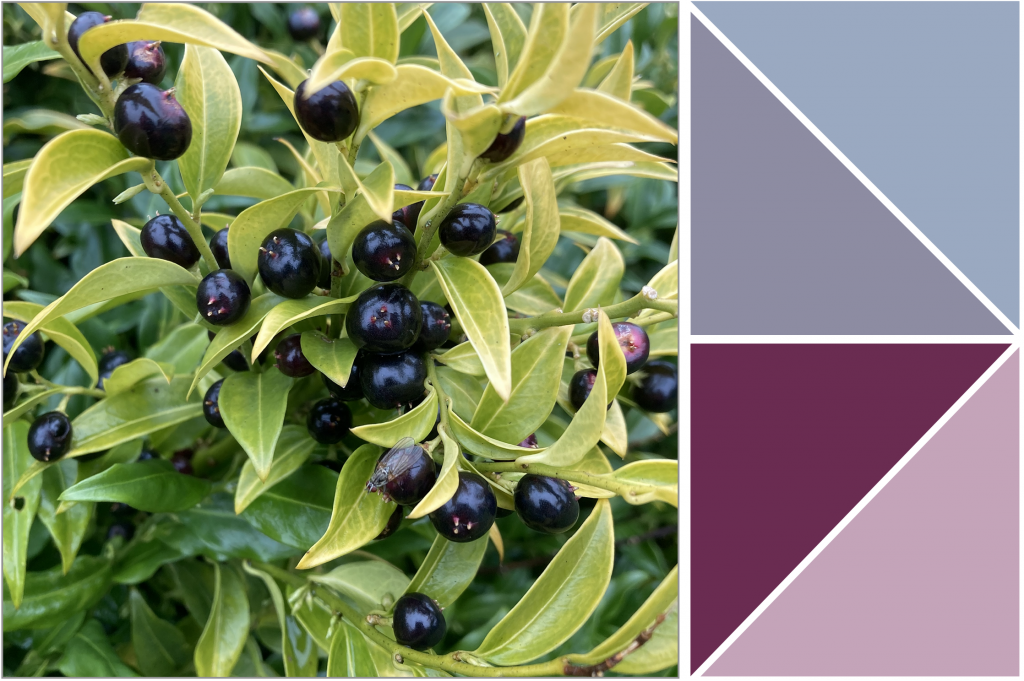
Black berries with Yellowish-Green leaves. Dye Colour: Pink, Purples and Blues.

Accession Number

Taxon Name

Common Name

Family

19550372*B

Sarcococca confusa

Sweet Box

Adoxaceae

Provenance

Part of Plant

Location Code

Season

Old World

Ripe Berries

NW2

Summer – Autumn


Method:

  • Crush the berries (pH7) with some water-vinegar 
  • Add Alum mordant (pH2) = Blues / Violet Blue / Purple
  • Add Tin mordant (pH1) = Reddish Purples



Botanic Dyes

Botanic Dyes

CUBG Artist-in-Residence (2023-24), Nabil Ali created a public Index Dye-Catalogue in the Garden, supported by Arts Council England.
Black Dyes

Black Dyes

Botanic Dyes: Index Dye-Catalogue
Blue Dyes

Blue Dyes

Botanic Dyes: Index Dye-Catalogue
University of Cambridge Museums and Botanic Garden

Social

  • Follow us on YouTube
  • Follow us on Twitter
  • Follow us on Instagram
  • Follow us on Facebook
  • Follow us on Threads
  • Follow us on LinkedIn

© 2026 Cambridge University Botanic Garden

  • Privacy policy
  • Contact us