Back to the page
  • Welcome
  • Visit us
    • Visit us
    • Opening times & information
    • Visiting – travel, dogs, toilets, etc.
    • Ticket Prices
    • Buy tickets
    • Garden map
    • Group Visits
    • Tours
    • Press and photography
    • The Garden Café
    • Garden Shops
  • Accessibility
  • What’s on
  • The Garden
    • The Garden
    • About the Garden
    • Horticultural Collections
    • Understanding Plant Labels
    • History of the Garden
    • Wildlife
    • Plant picks of the week
  • Learning
    • Learning
    • Short Courses
    • Certificate in Horticulture
    • Certificate in Botany
    • Schools
    • Colleges and Universities
    • Family Activities
    • Communities
    • Science on Sundays
    • Trails for Adults
  • Science
    • Science
    • Our Science Staff
    • Our Staff Publications
    • Your Science
    • Supporting Your Research
    • Phenology Project
  • Collections
    • Collections
    • Living Collections
    • Seed Bank
    • Herbarium
    • Cory Library
    • Archives
    • Living Collections Portal
    • Botanic Dyes
  • News
  • Support Us
  • Friends
    • Friends
    • Join the Friends
    • Friends’ Events
    • Corporate Support and Corporate Friends
    • Gift Memberships
  • Talking Plants
    • Talking Plants
    • Talking Plants – Frequently Asked Questions (FAQs)
Donate

Help us improve our website by taking our 2 minute survey! Start survey

Cambridge University Botanic Garden
menu

Today's Opening Times:
10:00am - 5:00pm

  • News
  • Support Us
  • Contact Us
  • Donate
  • Home
  • Visit us
    • Opening times & Information
    • Buy tickets
    • Ticket Prices
    • Visiting – travel, dogs, toilets, etc.
    • Garden Map
    • Group Visits
    • Tours
    • Press & Photography
    • Garden Shops
    • The Garden Café
    • Accessibility
    • Virtual Visits
  • What’s on
  • The Garden
    • About the Garden
    • Horticultural Collections
    • Understanding Plant Labels
    • History of the Garden
    • Wildlife
    • Plant picks of the week
  • Learning
    • Short Courses
    • Certificate in Horticulture
    • Certificate in Botany
    • Schools
    • Colleges and Universities
    • Family Activities
    • Communities
    • Science on Sundays
    • Trails for Adults
  • Science
    • Our Science Staff
    • Our Staff Publications
    • Your Science
    • Supported Publications
    • Supporting Your Research
    • Phenology Project
  • Collections
    • Living Collections
    • Herbarium
    • Seed Bank
    • Cory Library
    • Archives
    • Collecting Expeditions
    • National Plant Collections ®
    • Living Collections Portal
    • Botanic Dyes
  • Friends
    • Join the Friends
    • Gift Memberships
    • Friends’ Events
    • Corporate Support and Corporate Friends
  • Talking Plants
    • Talking Plants – Frequently Asked Questions (FAQs)
  • Open search panel
Close search panel
Sycopsis sinensis
Home Plants Sycopsis sinensis
Share Created with Sketch.
  • Email Share this with Email
  • Facebook Share this with Facebook
  • Twitter Share this with Twitter
  • Pinterest Share this with Pinterest
  • WhatsApp Share this with WhatsApp
  • Google + Share this with Google plus

Sycopsis sinensis

View all plants

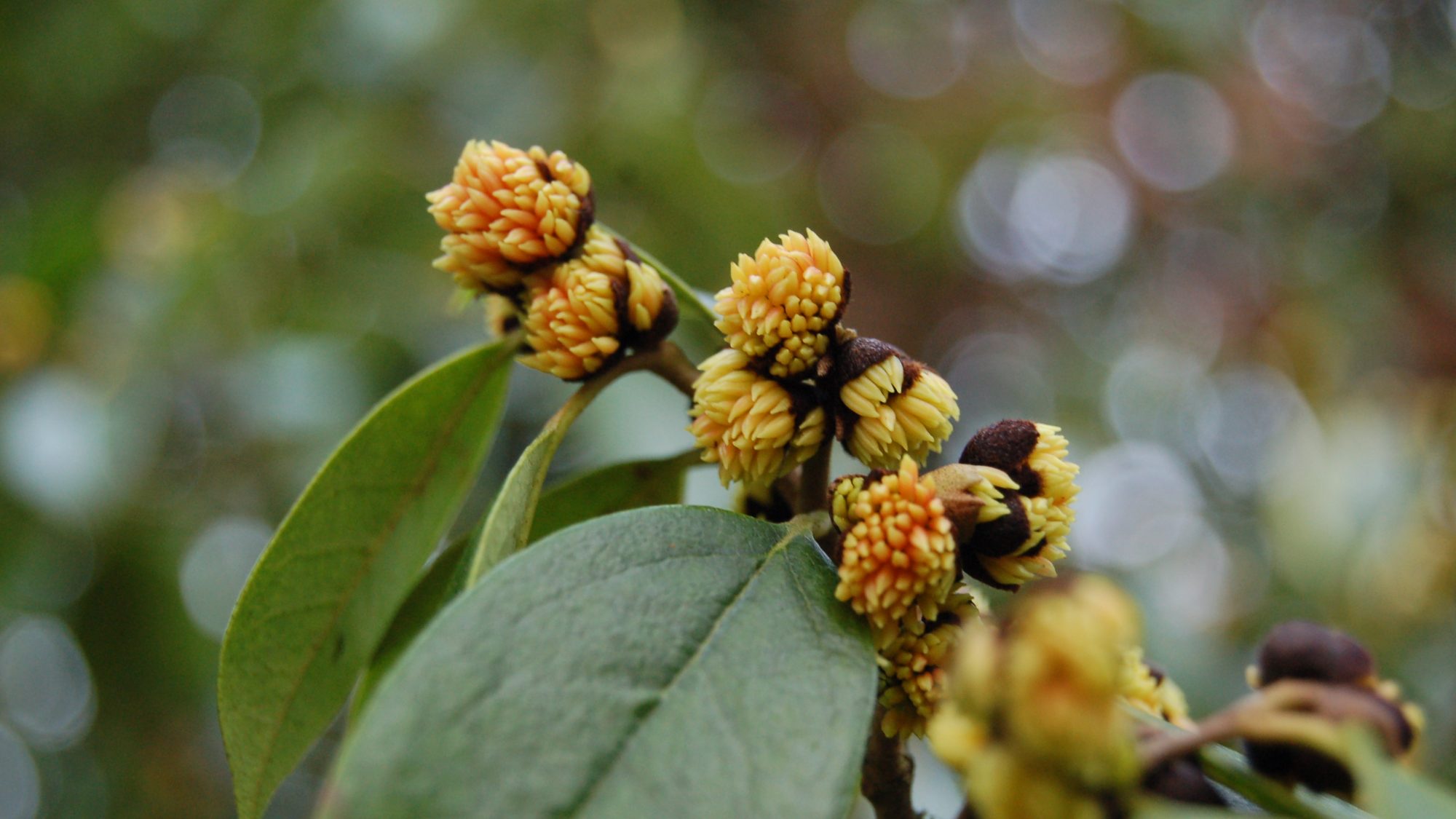
This unusual evergreen is putting on a a show of flower clusters alongside the Lynch Walk.

The Hamamelis (Hamamelidaceae), or witch hazel, family is renowned for it’s winter flowering genera, which include the familiar witch hazel (Hamamelis), and Persian ironwood (Parrotia).  The rarely grown Sycopsis sinensis also belongs to this family, and produces tufted, petal-less flowers comprising numerous  stamens held within a brown bract. These are similar to those of the Persian ironwood, though the stamens are yellow in colour. It grows to 6m in height and bears leathery, evergreen foliage. S. sinensis is a native of central China, and was introduced to gardens in 1901 by the plant hunter Ernest Wilson, who collected it for the renowned nursery Messrs Veitch.

University of Cambridge Museums and Botanic Garden

Social

  • Follow us on YouTube
  • Follow us on Twitter
  • Follow us on Instagram
  • Follow us on Facebook
  • Follow us on Threads
  • Follow us on LinkedIn

© 2026 Cambridge University Botanic Garden

  • Privacy policy
  • Contact us