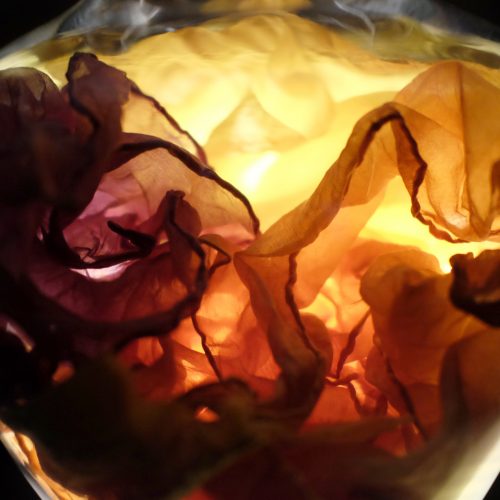
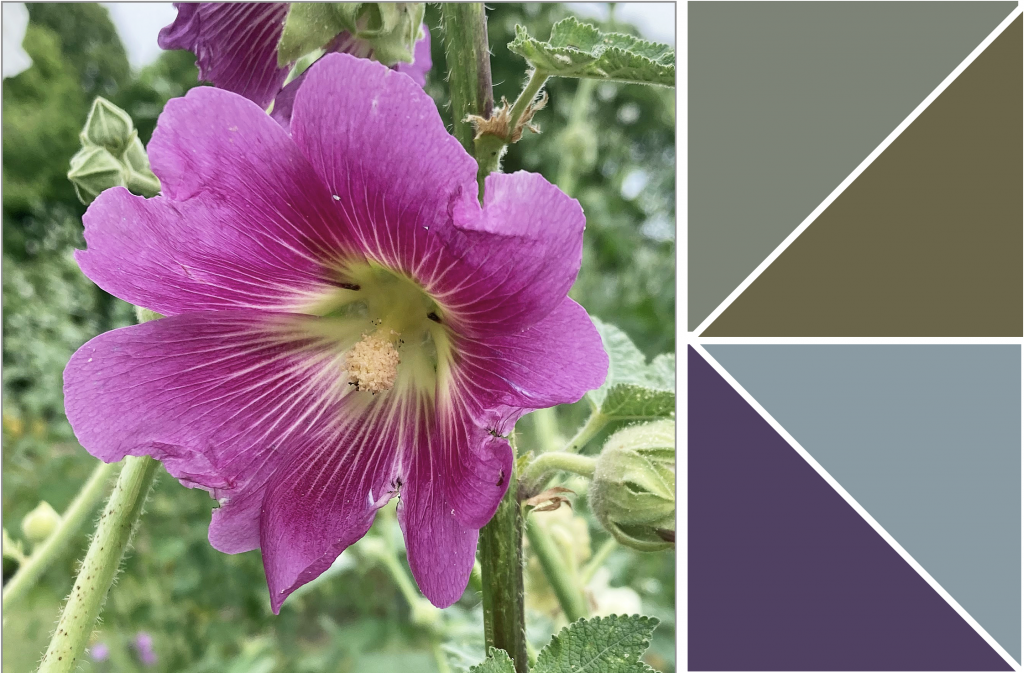
Alcea rosea Nigra
Hollyhock
|
Accession Number |
Taxon Name |
Common Name |
Family |
|
20150196 |
Alcea rosea Nigra |
Hollyhock |
Malvaceae |
|
Provenance |
Part of Plant |
Location Code |
Season |
|
Endemic to Turkey |
Flowers |
SW5 |
Summer – Autumn |
Method:
-
The flowers are heated in water and reduced by half
-
Add Iron Sulphate mordant to the dye (pH2) = Black-Grey
-
Add Tin mordant to the dye (pH2) = Pinkish Colour
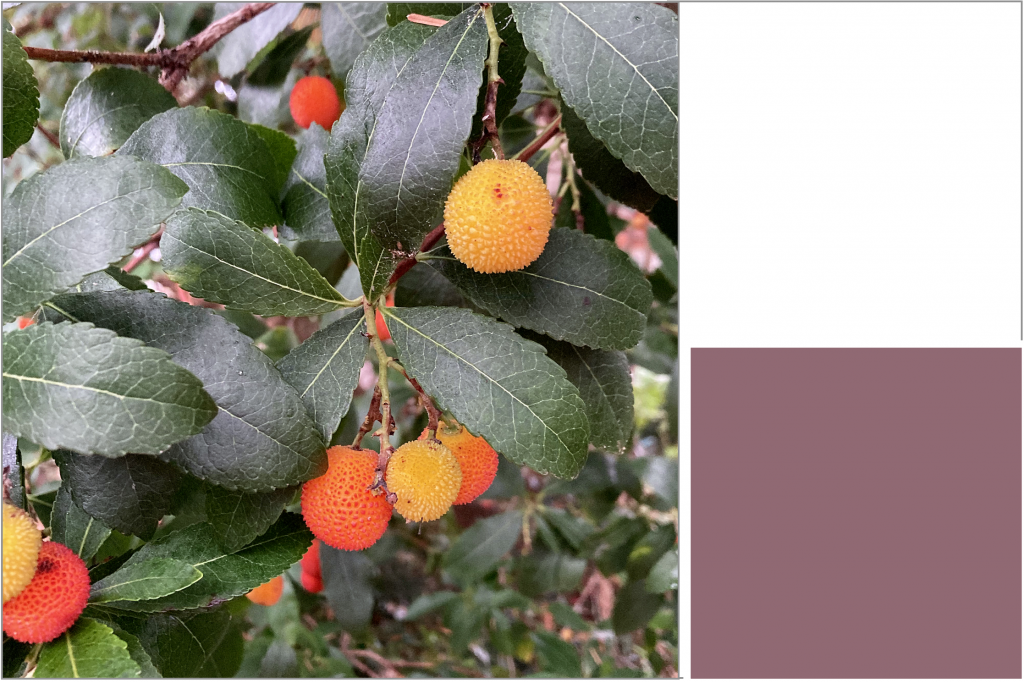
Arbutus unedo
Strawberry Tree
|
Accession Number |
Taxon Name |
Common Name |
Family |
|
19760121*A |
Arbutus unedo |
Strawberry Tree |
Ericaceae |
|
Provenance |
Part of Plant |
Location Code |
Season |
|
Old World |
Fruits |
NW14-2 |
Autumn |
Method:
-
The fruits are heated in water and reduced to 1/4
-
Add Tin mordant to the dye (pH2) = Pinkish Colour
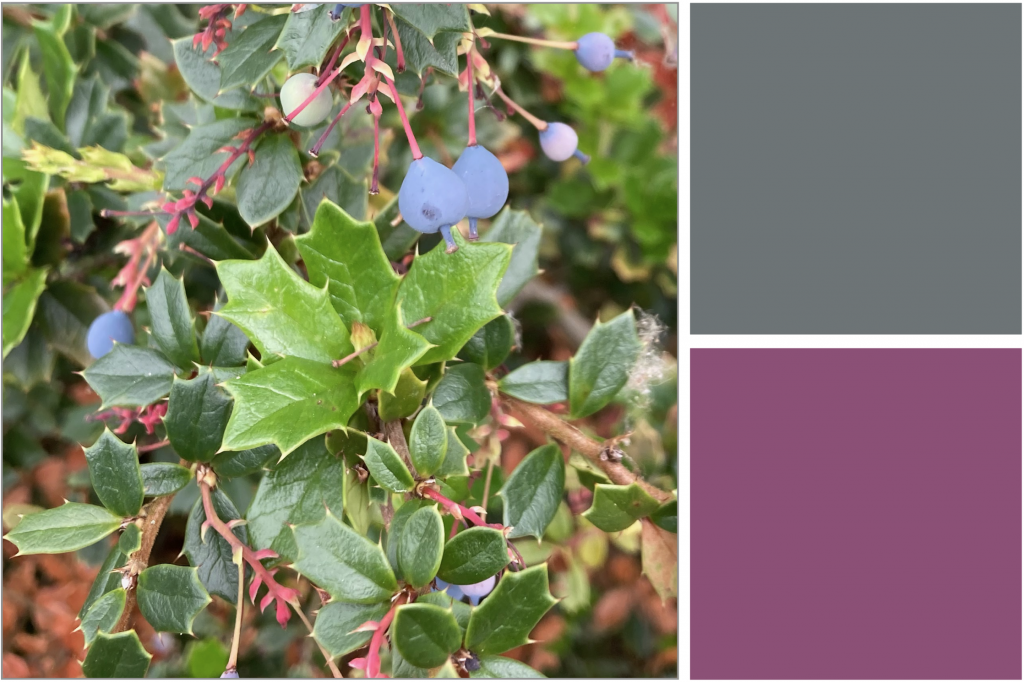
Berberis darwinii
Darwin’s Barberry
|
Accession Number |
Taxon Name |
Common Name |
Family |
|
20191202*A |
Berberis darwinii |
Darwin’s Barberry |
Berberidaceae |
|
Provenance |
Part of Plant |
Location Code |
Season |
|
S America |
Berries |
SW5-3 |
Summer – Autumn |
Method:
- Heat and crush fresh berries in water and reduced by half
- Add Alum mordant (pH1) = Purple / Grey-Blue
- The dye changes to blue after 1 week
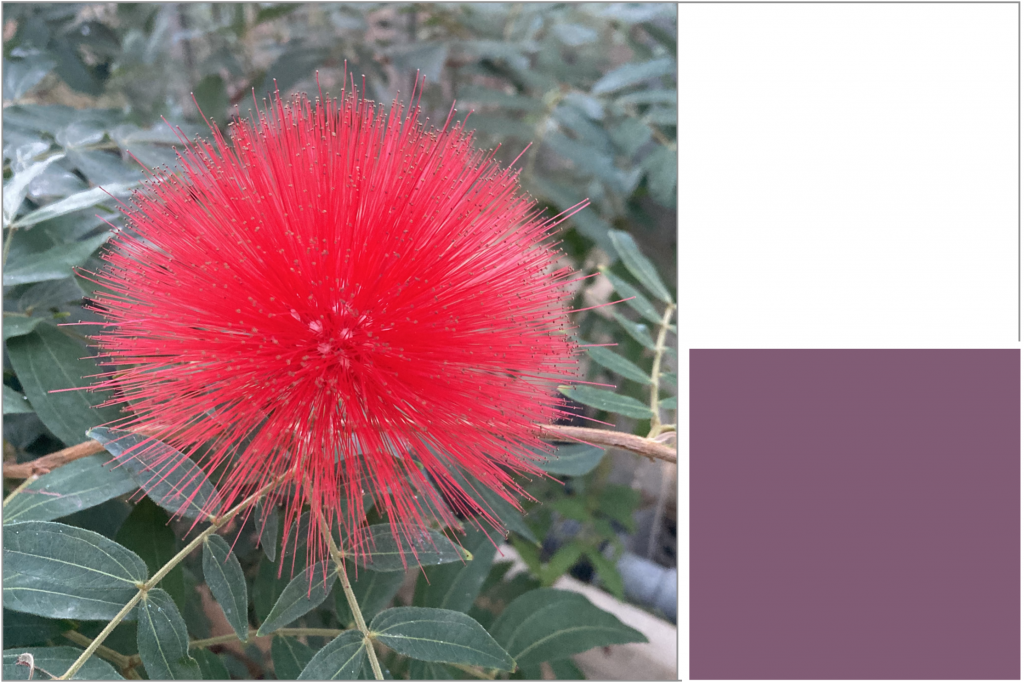
Calliandra haemotocophion
Pink Powderpuff
|
Accession Number |
Taxon Name |
Common Name |
Family |
|
19620013*A |
Calliandra haemotocophion |
Pink Powderpuff |
Fabaceae |
|
Provenance |
Part of Plant |
Location Code |
Season |
|
Endemic to Bolivia |
Flower |
NW15-4.1 |
Winter |
Method:
- Heat fresh flowers in water and reduced by 1/4
- Add Alum mordant (pH4) = Purple
- Add Tin mordant (pH2) = Deep Purple
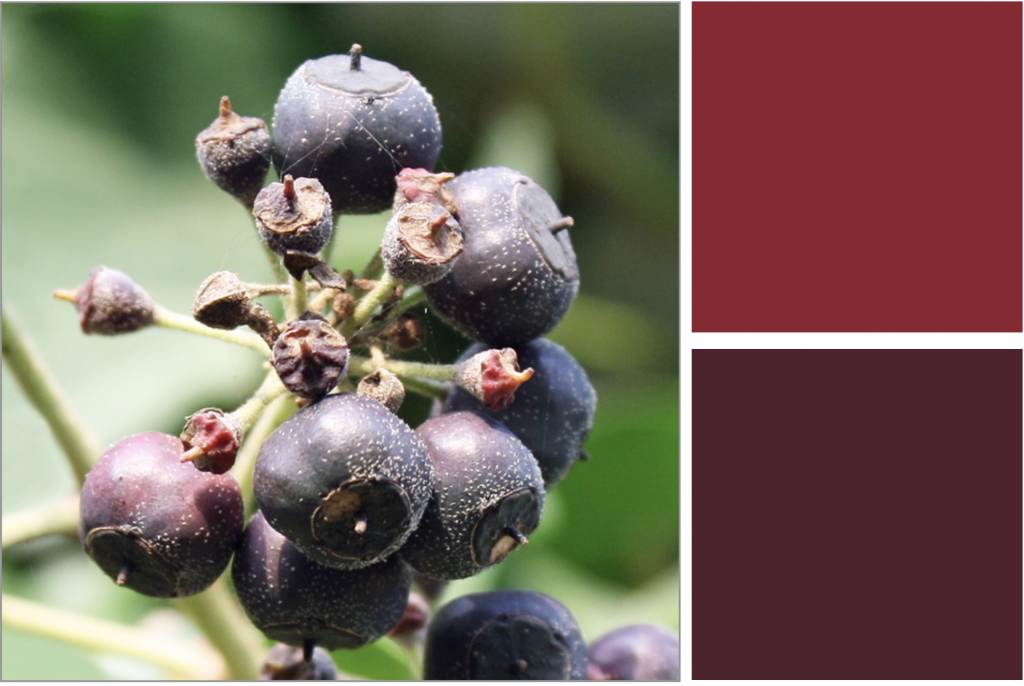
Hedera helix
Ivy
|
Accession Number |
Taxon Name |
Common Name |
Family |
|
19971027*A |
Hedera helix |
Ivy |
Araliaceae |
|
Provenance |
Part of Plant |
Location Code |
Season |
|
Garden Origin |
Berries |
NE7 |
Spring |
Method:
- 40g of ripe ivy berries are heated in 100g of white wine and 8g of powdered Gum Arabic, then reduced to 50g.
- The dye is then sieved through a fine mesh then reheated and reduced to 15g of dye.
- It is left to stand for a day.
- Add Alum mordant (pH2) = Reddish Purple
Cambridge Open Engage: Goats Blood, Tablets and Sacred Ivy
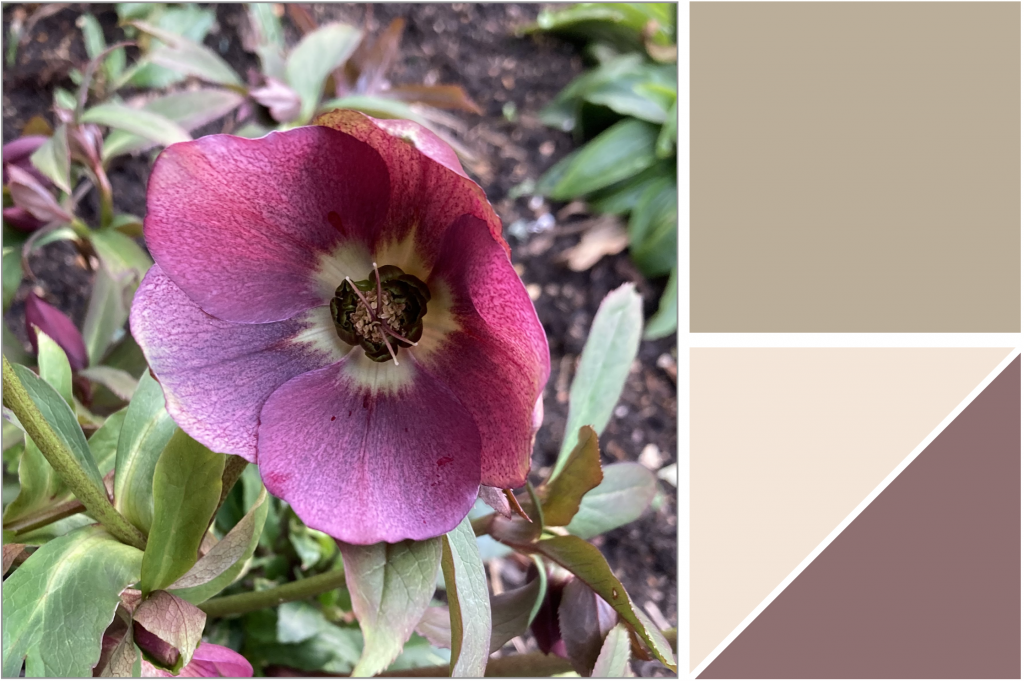
Helleborus x hybridus
Hellebore
|
Accession Number |
Taxon Name |
Common Name |
Family |
|
20172816*A |
Helleborus x hybridus |
Hellebore |
Ranunculaceae |
|
Provenance |
Part of Plant |
Location Code |
Season |
|
Garden Origin |
Flowers |
NE19-5 |
Spring |
Method:
- Divide the petal from the fresh flowers and heat in water (pH8)
- Add Tin mordant (pH2) = Pink-Purple
- Add Alum mordant (pH4) = Pale Green
- Add Potash mordant (pH12) = Light Pink
Papaver rhoeas
Common Poppy
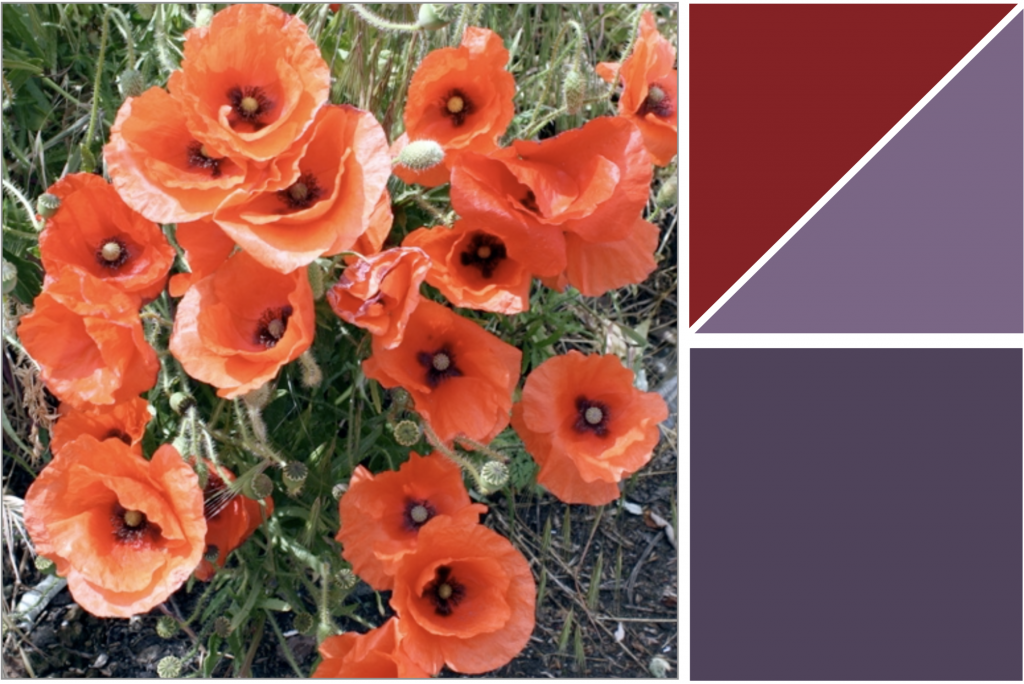
|
Accession Number |
Taxon Name |
Common Name |
Family |
|
20140057*C |
Papaver rhoeas |
Common Poppy |
Papaveraceae |
|
Provenance |
Part of Plant |
Location Code |
Season |
|
Old World |
Flowers |
SW5-4 |
Summer – Autumn |
Method:
- Heat poppy petals in white wine, reduce to 1/4
- Add Alum mordant, Gum Arabic and isinglass (pH3) = Red Ink
- Add Tin mordant and a little chalk to the ink = Purple pigment
- Add the dye to china clay = Pink pigment
- Mix pigment with Gum Arabic or Egg White to make a paint
Prunus lustitanica
Portuguese Laurel
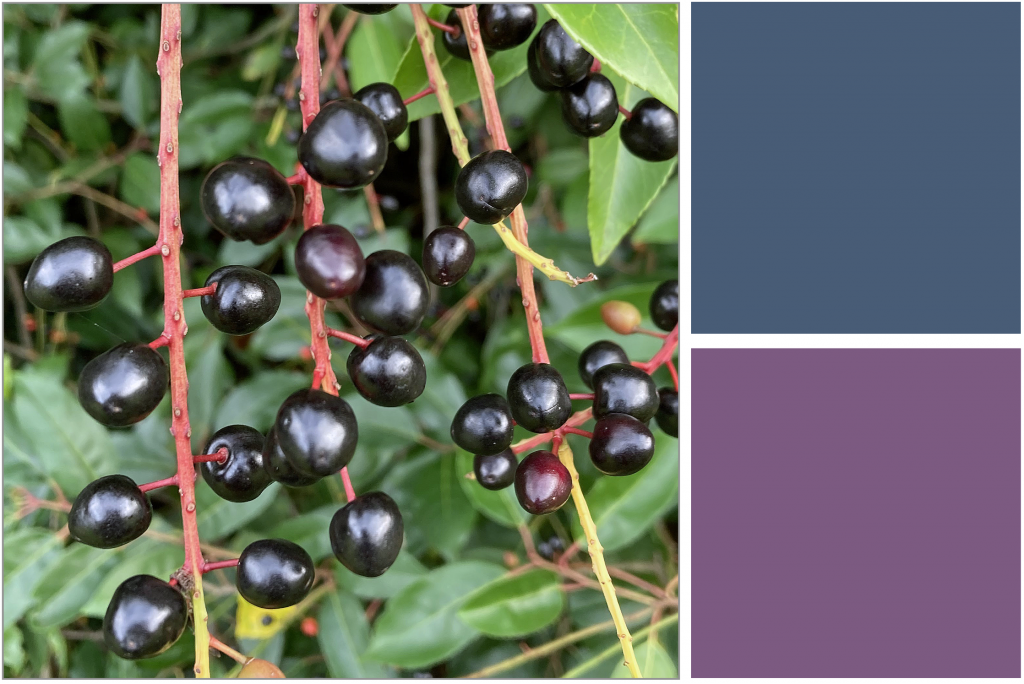
|
Accession Number |
Taxon Name |
Common Name |
Family |
|
19762597*A |
Prunus lusitanica |
Portuguese Laurel |
Rosaceae |
|
Provenance |
Part of Plant |
Location Code |
Season |
|
N Africa / Europe |
Ripe Berries |
NW17 |
Summer – Autumn |
Method:
- Heated a handful of ripe berries in clear vinegar
- Add Tin mordant to the dye (pH2) = Pinkish-Purple
- No mordant on cotton = Blue
Ribes sanguineum
Flowering currant
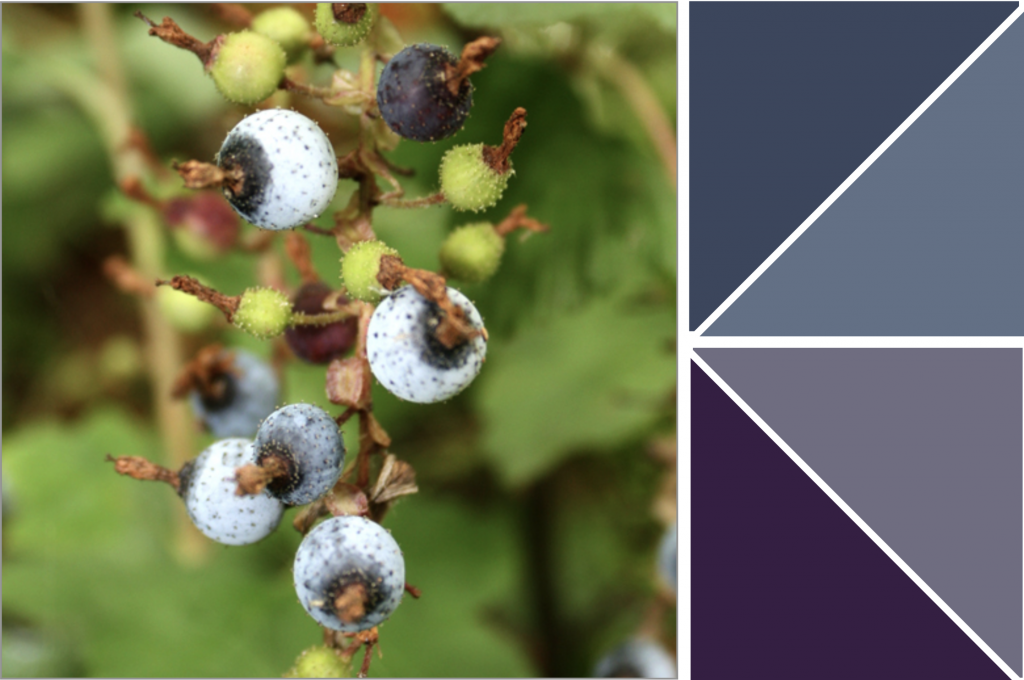
|
Accession Number |
Taxon Name |
Common Name |
Family |
|
10006622*A |
Ribes sanguineum |
Flowering currant |
Grossulariaceae |
|
Provenance |
Part of Plant |
Location Code |
Season |
|
N America |
Ripe Berries |
SE5-14 |
Summer – Autumn |
Method:
- 40g of ripe berries are heated in 100g of water and 7g of alum, then reduced to 30g.
- The dye is then sieved through a fine mesh producing a = Purple dye
- 8g of dye is mixed with 3g chalk and 1g of tin mordant (This produces a Blue paint)
- Dye mixed with chalk and Tin mordant = Blue Paint
- Dye mixed with Italian gesso and Tin mordant = Dark Blue Paint
Rhamnus catharica
Common Buckthorn
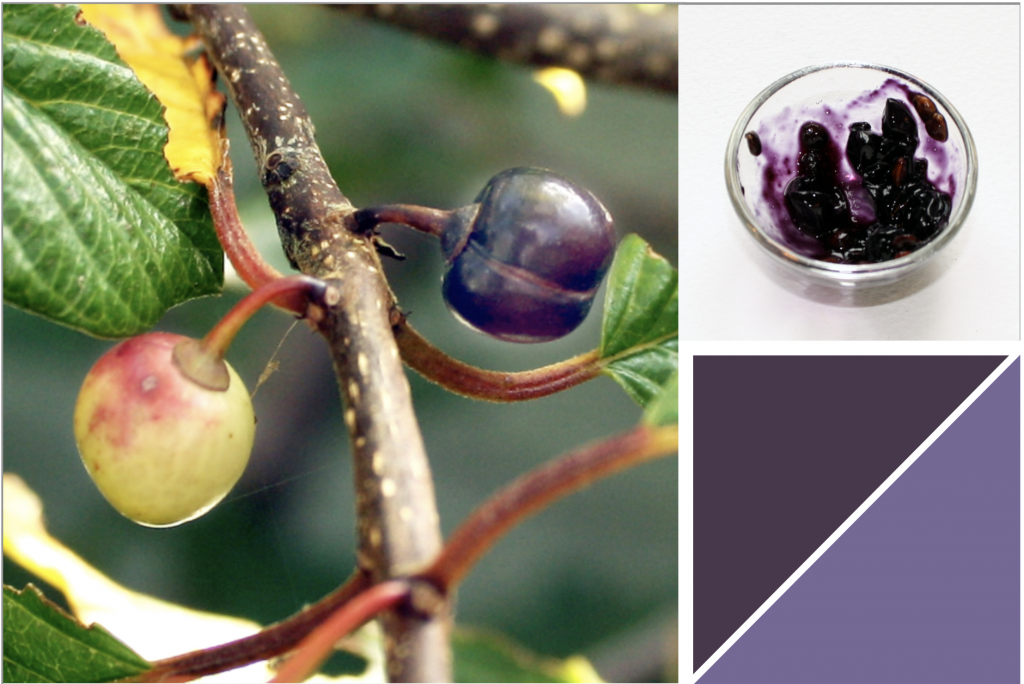
|
Accession Number |
Taxon Name |
Common Name |
Family |
|
10005915*A |
Rhamnus catharica |
Common Buckthorn |
Rhamnaceae |
|
Provenance |
Part of Plant |
Location Code |
Season |
|
Garden Origin |
Ripe Berries |
SW15 |
Summer – Autumn |
Method:
- Frozen ripe berries when crushed can produce a Purple
- Add Tin mordant = Blue / Purple
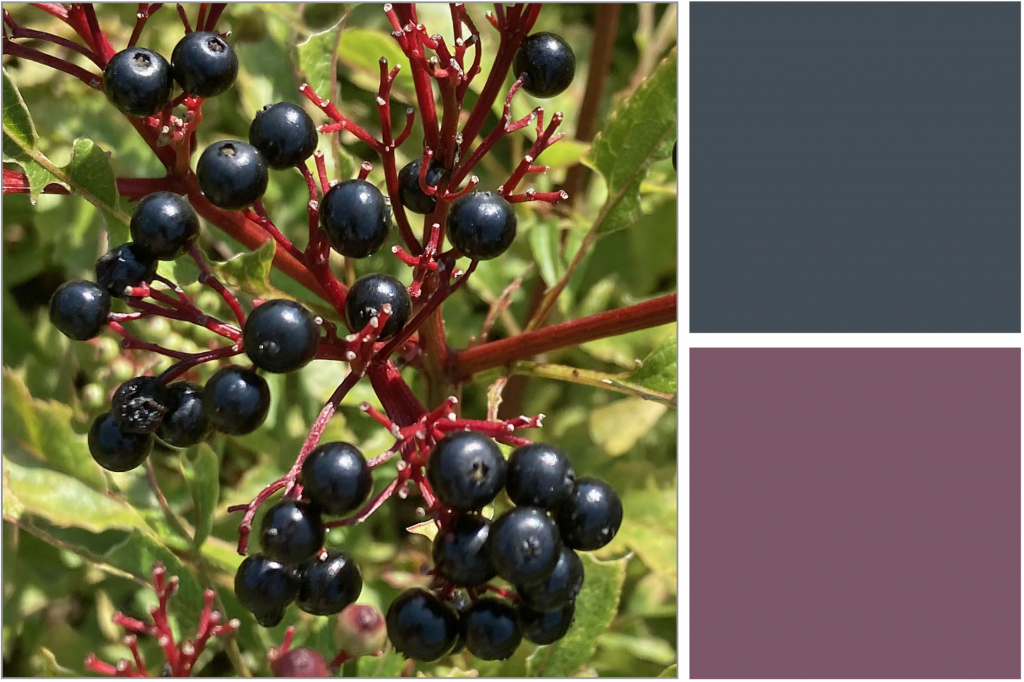
Sambucus ebulus
Danewort
|
Accession Number |
Taxon Name |
Common Name |
Family |
|
10006420*A |
Sambucus ebulus |
Danewort |
Adoxaceae |
|
Provenance |
Part of Plant |
Location Code |
Season |
|
Old World |
Ripe Berries |
SW9-30 |
Summer – Autumn |
Method:
- Macerate the ripe berries for 2 days in water and clear vinegar (2:1)
- Add Alum mordant (pH2) = Blue / Purple
- No mordant = Lighter Purples / Grey Blues
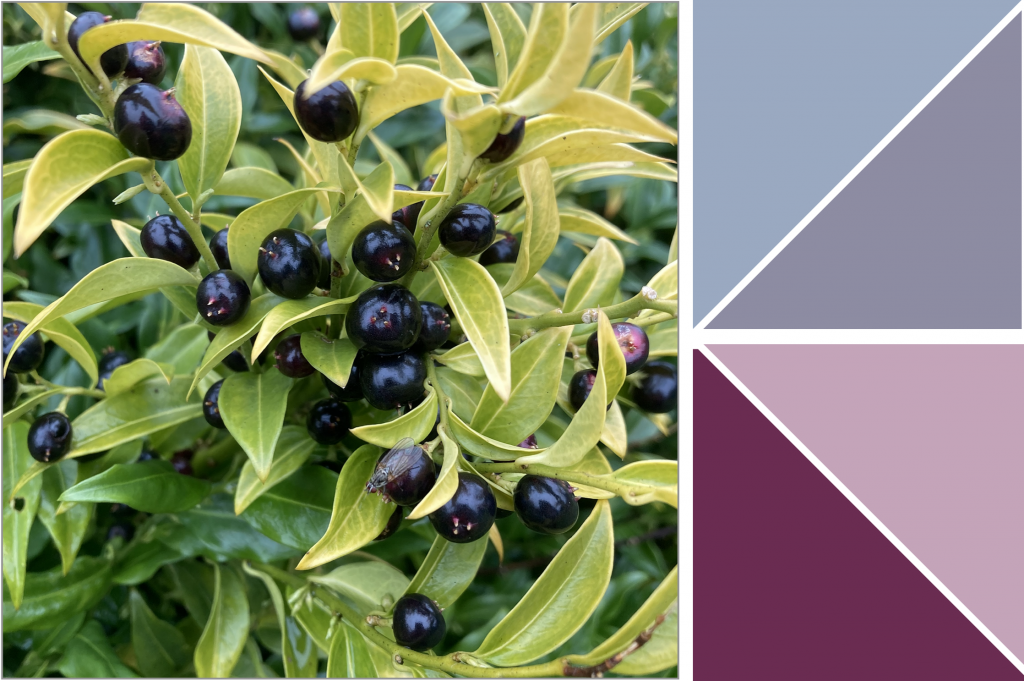
Sarcococca confusa
Sweet Box
|
Accession Number |
Taxon Name |
Common Name |
Family |
|
19550372*B |
Sarcococca confusa |
Sweet Box |
Adoxaceae |
|
Provenance |
Part of Plant |
Location Code |
Season |
|
Old World |
Ripe Berries |
NW2 |
Summer – Autumn |
Method:
- Crush the berries (pH7) with some water-vinegar
- Add Alum mordant (pH2) = Blues / Violet Blue / Purple
- Add Tin mordant (pH1) = Reddish Purples