Following her election to Fellow of the Royal Society , CUBG’s Director Beverley Glover shares with us some insights into her career, leadership and what the recognition means to her in this short Q&A.
Q: What does this award mean to you?
I’m absolutely delighted to have been elected to the Royal Society It feels like a real honour, almost like receiving an Oscar for science. This recognition reflects not just my work, but the incredible efforts of my research team and colleagues at the Cambridge University Botanic Garden. I’m enormously proud of what we’ve achieved together, and I hope they all feel a shared sense of pride in this moment.
Q: Looking back, what moments in your scientific career stand out?
I’ve always loved the moments when you work something out, however small, that nobody else in the world knows. I still remember the thrill of looking at some leaves on a scanning electron microscope as a PhD student and realising that the gene I’d been working with could change the shape of the epidermal cells – I ran down the corridor to tell my PhD supervisor! And all the best moments are also the ones you share with other people who are equally excited about science – I’ve been lucky to work with an amazing range of supervisors, collaborators and early career researchers and have learned so much from them all.
Being voted Best Lecturer by Cambridge University students in the university‑wide, student‑led teaching awards was incredibly special. We all enjoy our teaching, but to be recognised by the students themselves meant a great deal. Inspiring students and getting them genuinely engaged with plants is a real thrill, so receiving that award was a standout moment.
I also love my job at the Botanic Garden and meeting visitors, members and hearing about their love of plants and the Garden and working with knowledgeable, passionate staff.
Q: How would you describe your research and why it matters to a visitor walking through the Garden?
I study how a plant makes a flower look the way it does – how colours, shapes and textures develop, and where those developmental programmes evolved from. I’m interested in the genes behind these traits and how they came to do the things they do in the plant, particularly in attracting the pollinators the plant relies on.
Understanding these processes matters because plants and their pollinators underpin almost every part of our lives – from the food we eat to the fibres in our clothes – and they’re responsible for producing the oxygen we breathe. When visitors walk through the Garden, they’re surrounded by the results of these remarkable evolutionary innovations, each plant telling a story about how it survives, adapts and interacts with the world around it.
Q: What first drew you to plant science?
I actually planned to be a marine biologist, inspired by Jacques Cousteau. My dad was a scuba diver and we watched all the Jacques Cousteau TV shows, so I went to St Andrews University for its reputation in marine biology.
But somewhere in my second year I realised that plants are much more interesting than animals. They face all the same challenges – avoiding extremes of heat and cold, finding food, reproducing, ensuring their offspring survive – but they have to do it all rooted to the spot. Animals can simply move; plants can’t. The ingenious solutions they’ve evolved to overcome those challenges are so much more exciting and clever, and that’s what hooked me.
Q: Do you have a favourite plant and if so what is it and why?
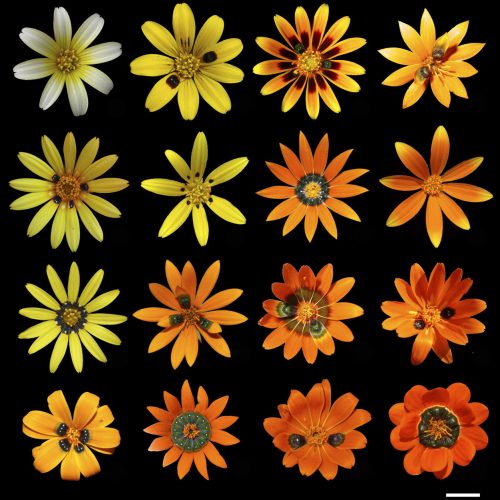
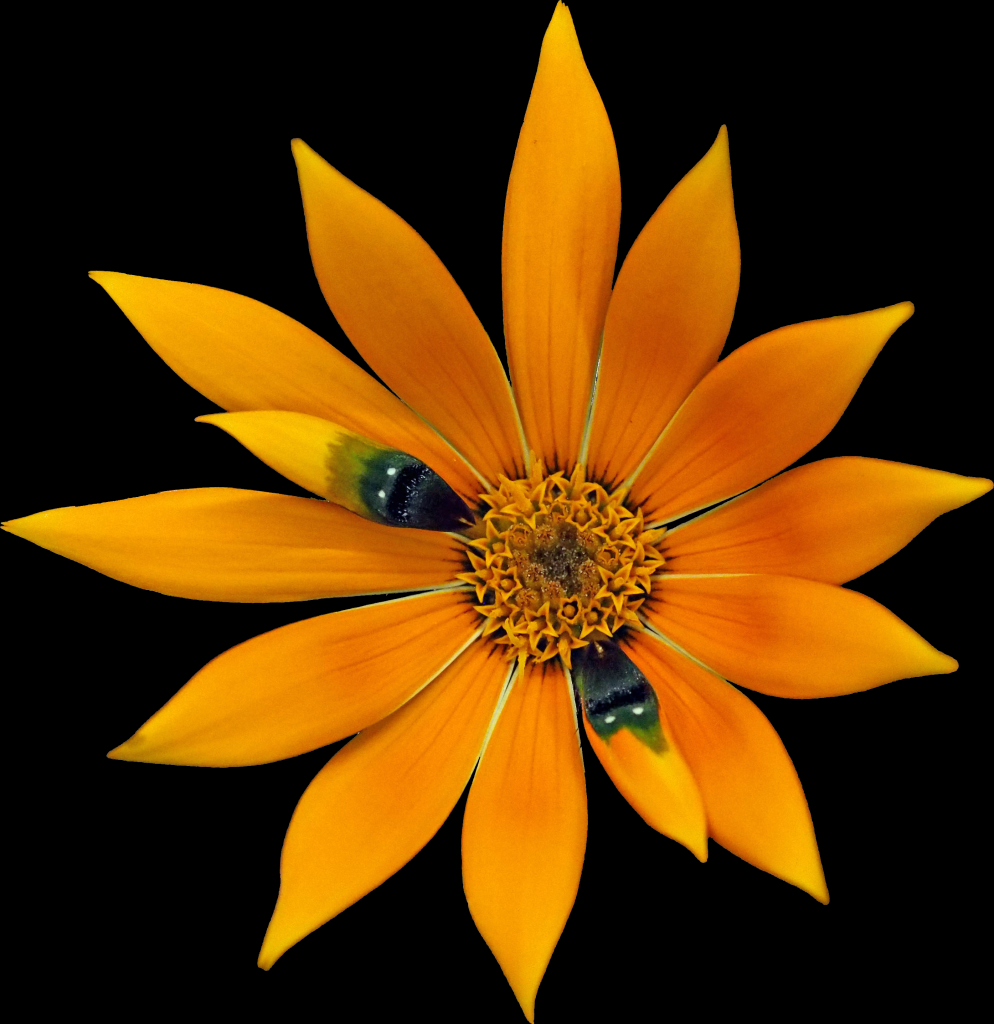
I have a lot of favourite plants – it’s hard to choose – but one that really fascinates me at the moment, and that I’m working on with colleagues in my lab, is a daisy that most people will never have seen because it only grows in South Africa. It’s an orange daisy called Gorteria diffusa, and it’s brilliantly deceptive. On its petals it creates tiny structures which resemble female flies of the pollinator species it wants to attract. Male flies land, attempt to mate with these fake flies, get dusted in pollen, and without knowing, pollinate the flower. It’s an extraordinary example of evolutionary creativity.
Q: You’ve led the Garden through some major challenges – including COVID. What did that period teach you?
It reinforced how important green spaces are for wellbeing, how much the Garden means to our local community and how deeply committed our staff and volunteers are. The Garden teams worked incredibly hard in very stressful circumstances to keep the living collection alive and to enable us to reopen as soon as possible after the initial closure. When we did reopen, it was astonishing to see how much the Garden meant to the local community and how glad they were to be able to visit again. The Garden’s strength has always been its people and its purpose, and that became clearer than ever during that period.
Over the three years from summer 2020 I lost my lovely husband, my mum and my dad – so this period also taught me the importance of our personal communities, as friends and family stepped up to help me cope. I know how proud they would all be to know I’ve been elected to the Royal Society.
Q: Climate change is reshaping landscapes everywhere. How is the Garden preparing for a hotter, drier future?
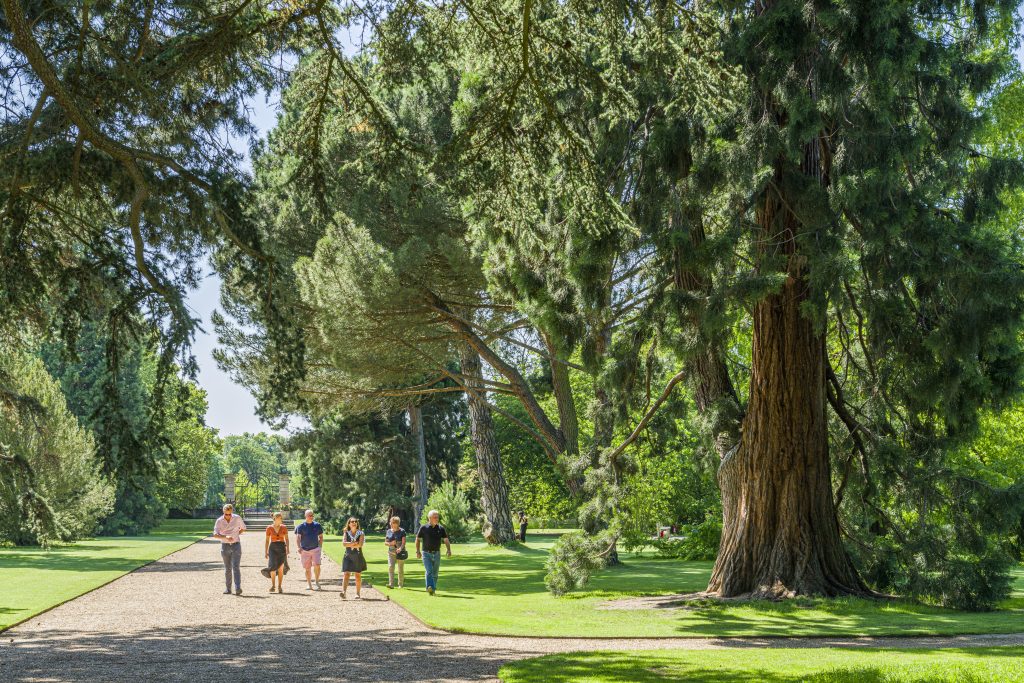
We’re already seeing the effects. Some of our big old conifers, which have been here for 150 years, would naturally prefer a wetter climate. Cambridge has always been dry for them, but now it’s also too hot, and they’re starting to show real strain.
We’re adapting in several ways. Our plant‑collecting teams are now focusing on regions that are slightly hotter and drier than Cambridge – places like Croatia, South Africa and Chile – to bring in material we believe will cope with the climate here in the next 50 to 100 years. We’re also improving water management: using irrigation carefully, relying on borehole water rather than mains, and expanding rainwater harvesting. And when extreme cold is forecast, we protect what we can with fleece or by moving plants indoors. But on a 40‑acre site, there’s only so much a team can do in the face of such dramatic weather variation.
That’s why it’s so important that we prepare and become climate‑smart. We’re custodians of a world‑class living collection that underpins research into food security, medicines, climate change and plant conservation. Protecting it for the future is absolutely essential.
Q: Public engagement is a huge part of CUBG’s work. Why is it so important?
Our primary role is supporting research and teaching for the University and for a global network of plant scientists who use our living collection. But it would be a real shame to grow 8,000 plant species and only use them for science. We’re passionate about helping people connect with plants, understand their importance, and feel that the Garden is a wonderful place to inspire and spark that love of the plant world.
We run a schools programme that delivers curriculum‑specific sessions, and thanks to support from the Gatsby Charitable Trust we can even fund coach travel, which is often the biggest barrier for schools. It’s wonderful to see so many young children outside in what we like to think of as an outdoor classroom, enjoying the space and being excited and inspired. We also work closely with community groups – from partially sighted visitors joining bird walks to craft sessions for groups with learning difficulties – to make the Garden welcoming, accessible and inspiring for everyone.


Q: What do you hope visitors take away from their time here?
I hope they leave with a sense of peace, curiosity and wonder. Many of our regular visitors come weekly just to watch the Garden change with the seasons and to be out in nature. If people walk away with a deeper appreciation of plants and their importance in our world, then we’ve done our job.
Q: The Garden welcomes more than 370,000 visitors each year. How do you ensure the experience is inclusive and inspiring for everyone?
We work hard to make the Garden feel welcoming to people who might not naturally see it – or the University – as a place for them. Our community partnerships, accessible programming and tailored activities help us reach a wide range of visitors. Whether it’s a temporary interpretation board pointing out something special in flower or family activities during the holidays, we aim to create experiences that are meaningful, inclusive and engaging.
Q: What excites you most about the Garden’s future?
Strengthening the collection so it can continue supporting global research on climate change, food security and biodiversity is hugely important. Also strengthening our connections. We can’t do this alone and we’re part of a much wider botanic garden network around the world. The plant material we send to scientists around the world is helping tackle some of the biggest challenges we face. Maintaining the collection in the face of climate change, and making it as accessible as possible – especially for the people of Cambridge – really matters to me. It’s our local resource, and I want it to remain strong, relevant and inspiring for generations to come.