Back to the page
  • Welcome
  • Visit us
    • Visit us
    • Opening times & information
    • Book Tickets
    • Visiting – travel, dogs, toilets, etc.
    • Garden map
    • Group Visits
    • Tours
    • Press and photography
    • The Garden Café
    • Garden Shops
  • Accessibility
  • What’s on
  • The Garden
    • The Garden
    • About the Garden
    • Horticultural Collections
    • Understanding Plant Labels
    • History of the Garden
    • Wildlife
    • Plant picks of the week
  • Learning
    • Learning
    • Short Courses
    • Certificate in Horticulture
    • Certificate in Botany
    • Schools
    • Colleges and Universities
    • Family Activities
    • Communities
    • Science on Sundays
    • Trails for Adults
  • Science
    • Science
    • Our Science Staff
    • Our Staff Publications
    • Your Science
    • Supporting Your Research
    • Phenology Project
  • Collections
    • Collections
    • Living Collections
    • Seed Bank
    • Herbarium
    • Cory Library
    • Archives
    • Living Collections Portal
    • Botanic Dyes
  • News
  • Support Us
  • Friends
    • Friends
    • Join the Friends
    • Friends’ Events
    • Corporate Support and Corporate Friends
    • Gift Membership Vouchers
  • Cambridge Botanic Lights 2026
Donate

We are finalising essential repair works on the Glasshouse corridor. From Saturday 13 June, half of the Glasshouse Range will be open, but the other half remains inaccessible to visitors. We apologise for any inconvenience.

Cambridge University Botanic Garden
menu

Today's Opening Times:
10:00am - 6:00pm

  • News
  • Support Us
  • Contact Us
  • Donate
  • Home
  • Visit us
    • Opening times & Information
    • Book Tickets
    • Visiting – travel, dogs, toilets, etc.
    • Garden Map
    • Group Visits
    • Tours
    • Press & Photography
    • Garden Shops
    • The Garden Café
    • Accessibility
    • Virtual Visits
  • What’s on
  • The Garden
    • About the Garden
    • Horticultural Collections
    • Understanding Plant Labels
    • History of the Garden
    • Wildlife
    • Plant picks of the week
  • Learning
    • Short Courses
    • Certificate in Horticulture
    • Certificate in Botany
    • Schools
    • Colleges and Universities
    • Family Activities
    • Communities
    • Science on Sundays
    • Trails for Adults
  • Science
    • Our Science Staff
    • Our Staff Publications
    • Your Science
    • Supported Publications
    • Supporting Your Research
    • Phenology Project
  • Collections
    • Living Collections
    • Herbarium
    • Seed Bank
    • Cory Library
    • Archives
    • Collecting Expeditions
    • National Plant Collections ®
    • Living Collections Portal
    • Botanic Dyes
  • Friends
    • Join the Friends
    • Gift Membership Vouchers
    • Friends’ Events
    • Corporate Support and Corporate Friends
  • Cambridge Botanic Lights 2026
  • Open search panel
Close search panel
Back to listing
Home News Garden news Strengthening Global Conservation: Welcoming Chilean Partners to CUBG
Share Created with Sketch.
  • Email Share this with Email
  • Facebook Share this with Facebook
  • Twitter Share this with Twitter
  • Pinterest Share this with Pinterest
  • WhatsApp Share this with WhatsApp
  • Google + Share this with Google plus

Strengthening Global Conservation: Welcoming Chilean Partners to CUBG

02 June 2026

We are delighted to welcome Campus Naturaleza – a pioneering conservation initiative at the University of Concepción, located approximately 500 km south of Santiago, Chile as a new CUBG conservation partner.

This new partnership builds on CUBG’s active relationships with international botanical institutions, including Stellenbosch University Botanical Garden, South Africa and Zagreb University Botanical Garden, Croatia – with the aim of fostering meaningful, reciprocal collaborations that enhance the diversity and value of our collections for research, conservation and education. It also supports our global partners in achieving their own conservation goals.

Campus Naturaleza, which translates as ‘Nature Campus’, is a visionary project dedicated to the conservation and restoration of Chile’s native ecosystems. It integrates ecological restoration, in-situ and ex-situ conservation, biocultural education and human wellbeing – all rooted in science and community engagement.


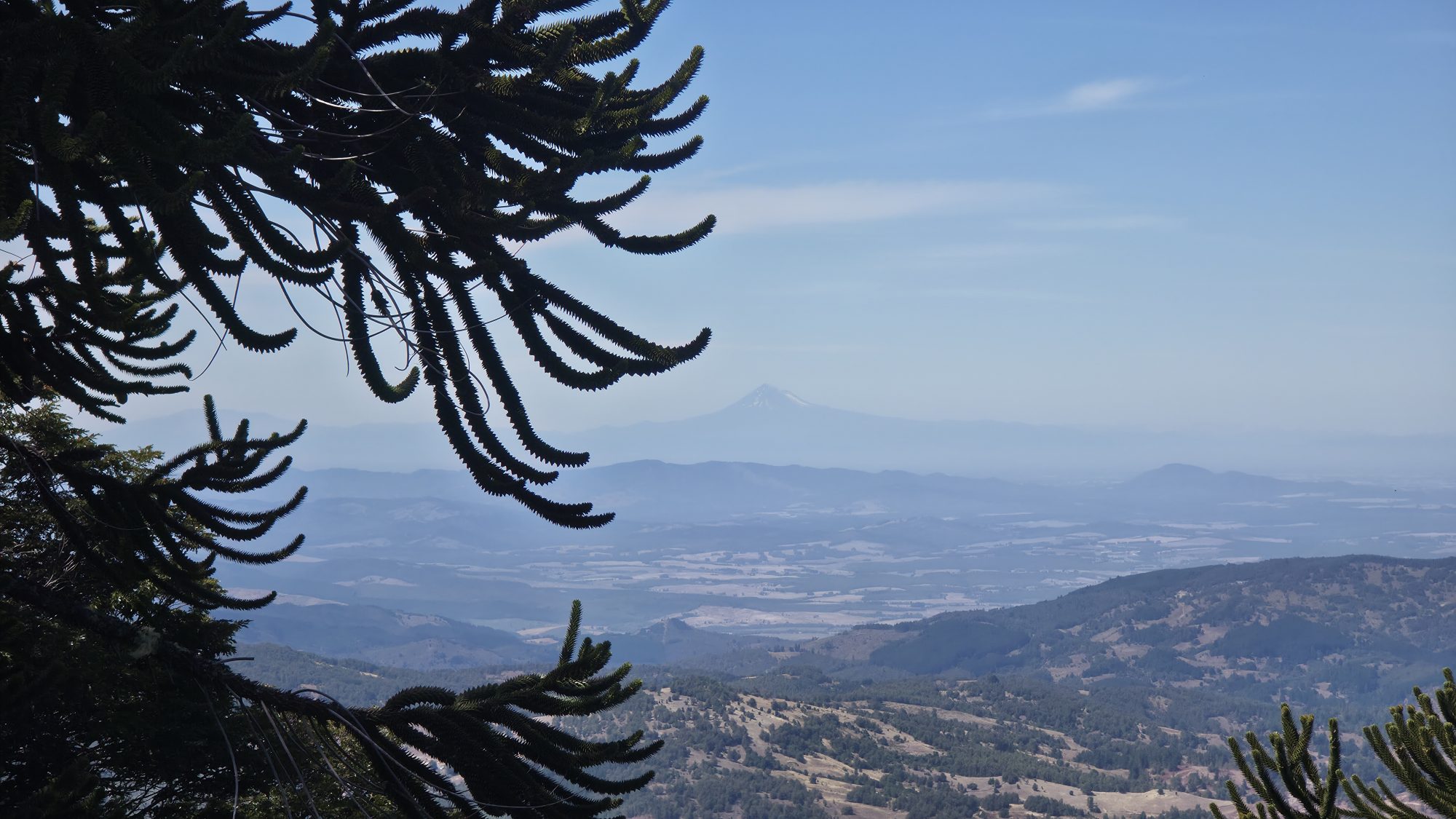
Nothofagus dombeyii - the Chilean southern beech in its native habitat - part of South America's ancient temperate rainforests Click for information
Inside Campus Naturaleza: natural regeneration of native Nothofagus (southern beech), a key tree of South America’s temperate rainforests Click for information

CUBG and Campus Naturaleza plan to embark on long-term projects focused on collecting seeds, plant material and ecological data in Chile. The partnership will also support Campus Naturaleza’s efforts to conserve plant species in Concepción through its restoration and conservation programmes. It also aims to conserve species from Chile through ex-situ collections.

As part of the collaboration, CUBG will bring back seeds of key species to grow at CUBG, creating a display of Chilean flora that highlights and supports the innovative ongoing conservation at Campus Naturaleza. This collections will contribute to ex-situ conservation and support future research into Chile’s extraordinary flora.

 “We have long been interested in exploring the feasibility of cultivating Chilean plant species as part of our long-term climate change adaptation strategies. Campus Naturaleza represents an inspiring model from which the world can learn, and it is a privilege to be part of the journey initiated by Professor Cristian Echeverría Leal and his colleagues.”

Professor. Samuel Brockington, CUBG Curator

Seed collecting expedition in Chile - meet the team

Joint collecting with Oslo and Gothenburg teams in Siete Tazas National Park, Chile Click for information
CUBG Expedition Botanist Matthew, press Alstroemeria aurea Click for information
CUBG Glasshouse Team Leader, Luigi, cleaning collected seed Click for information
Teams collect seed in Maule region, Chile Click for information
Group photo of the joint CUBG, Gothenburg, Oslo and Chilean team at Campus Naturaleza Click for information
Javier Carrasco Leal (Universidad de Concepción), field ecologist and key Chilean partner on this joint collecting trip. Click for information
Cristián Echeverría, Director of Campus Naturaleza, Universidad de Concepción Click for information

In March, CUBG’s Expedition Botanist, Matthew Jeffery, and Glasshouse Team Leader, Luigi Leoni, worked alongside Campus Naturaleza’s other collaborators from Oslo and Gothenburg Botanic Gardens on a seed‑collecting expedition across several regions in Chile. They focused mainly on the Andean Mediterranean temperate deciduous Nothofagus forest.

Matthew was particularly excited to explore this area, as it spans a wide range of climates and landscapes — from cooler moist temperate forest to Mediterranean lowlands and dry alpine peaks. This diversity offers a rare chance to find plants that may be well adapted to the current and future climate conditions in Cambridge.


The varied landscapes where plant collecting took place

Collecting Viola cotyledon in the Ñuble region, in subalpine-alpine volcanic scree habitat Click for information
Seed collecting in alpine-subalpine zones amongst volcanic fumaroles, Ñuble region Click for information
Luigi and Matthew with Javier Carrasco Leal (centre) in Aisen region Click for information
Seed collecting in Maule region Click for information

“Together with CUBG, we are projecting a model of international cooperation based on evidence, reciprocity and a vision for the future”.

Dr. Cristian Echeverría Leal, Academic of Forest Sciences and Director of Campus Naturaleza

Last summer, Dr. Cristian Echeverría Leal, Academic of Forest Sciences and Director of Campus Naturaleza, visited CUBG and toured our Herbarium and plant propagation facilities. He exchanged ideas with our team on plant conservation, education and research – sharing each organisation’s aims and exploring how our aspirations align.

Dr. Echeverría Leal commented:

“This alliance with CUBG represents a decisive step in the internationalisation of Campus Naturaleza UdeC. It is not just about exchanging seeds or technical knowledge, but about building a long-term scientific collaboration that strengthens the conservation of chilean flora from a global perspective. From southern Chile, we contribute territory, experience in ecological restoration and community commitment; together with CUBG, we are projecting a model of international cooperation based on evidence, reciprocity and a vision for the future”.

He added, “Chile is a biodiversity hotspot with high levels of endemism and growing vulnerability to climate change and human pressures. International partnerships are essential to strengthen the generation of applied knowledge. This collaboration with CUBG allows us to project Chilean flora onto global ex situ conservation scenarios, while advancing ecosystem restoration”.


Examples of plants collected that are well suited to the Cambridge climate

Fuchsia magellanica in flower in the Ñuble region, Chile Click for information
Collecting Viola cotyledon in alpine volcanic scree habitat, Ñuble region, Chile Click for information
Gunnera magellanica in Parque Exploradores, Aisén region Click for information
Anneleen Kool, Curator of the University of Oslo Botanical Garden, collecting herbarium specimens of Lapageria rosea — Chile’s national flower — in the Ñuble region Click for information

As nature faces mounting threats, botanic gardens are increasingly recognising their role in facilitating in-country conservation and research across diverse species and habitats. We’re excited about the potential to grow representative Chilean species here in the Garden – expanding our ex-situ conservation efforts and contributing to future research on Chile’s rich and diverse flora.
You may also be interested in

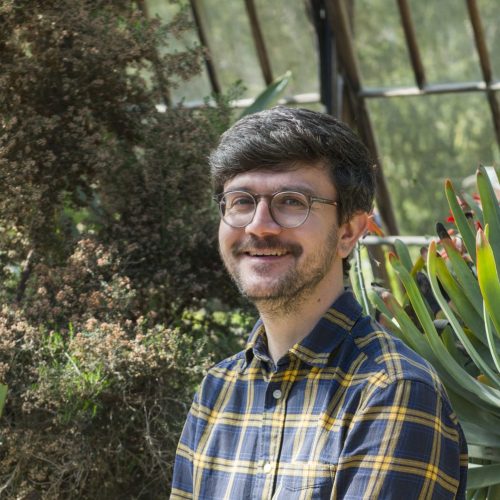
Meet Matthew, CUBG’s New Expedition Botanist

Meet Matthew, CUBG’s New Expedition Botanist

Exploring the wild to enrich CUBG’s living plant collections.
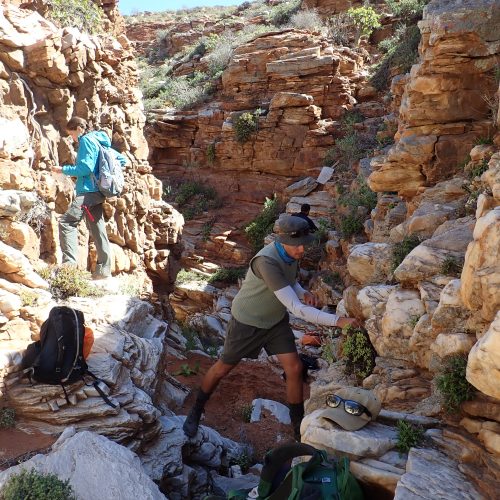
Collecting Expeditions

Collecting Expeditions

Collecting expeditions are an essential activity to ensure that our living collections are stocked with living material of wild provenance
Cambridge University Botanic Garden Living Collections Strategy

Cambridge University Botanic Garden Living Collections Strategy

This is the first time CUBG has ever undertaken such an in-depth analysis of its Collections.
University of Cambridge Museums and Botanic Garden

Social

  • Follow us on YouTube
  • Follow us on Twitter
  • Follow us on Instagram
  • Follow us on Facebook
  • Follow us on Threads
  • Follow us on LinkedIn

© 2026 Cambridge University Botanic Garden

  • Privacy policy
  • Contact us