Back to the page
  • Welcome
  • Visit us
    • Visit us
    • Opening times & information
    • Book Tickets
    • Visiting – travel, dogs, toilets, etc.
    • Garden map
    • Group Visits
    • Tours
    • Press and photography
    • The Garden Café
    • Garden Shops
  • Accessibility
  • What’s on
  • The Garden
    • The Garden
    • About the Garden
    • Horticultural Collections
    • Understanding Plant Labels
    • History of the Garden
    • Wildlife
    • Plant picks of the week
  • Learning
    • Learning
    • Short Courses
    • Certificate in Horticulture
    • Certificate in Botany
    • Schools
    • Colleges and Universities
    • Family Activities
    • Communities
    • Science on Sundays
    • Trails for Adults
  • Science
    • Science
    • Our Science Staff
    • Our Staff Publications
    • Your Science
    • Supporting Your Research
    • Phenology Project
  • Collections
    • Collections
    • Living Collections
    • Seed Bank
    • Herbarium
    • Cory Library
    • Archives
    • Living Collections Portal
    • Botanic Dyes
  • News
  • Support Us
  • Friends
    • Friends
    • Join the Friends
    • Friends’ Events
    • Corporate Support and Corporate Friends
    • Gift Membership Vouchers
  • Cambridge Botanic Lights 2026
    • Cambridge Botanic Lights 2026
    • Cambridge Botanic Lights – Frequently Asked Questions (FAQs)
    • Cambridge Botanic Lights – Accessibility
Donate
Cambridge University Botanic Garden
menu

Today's Opening Times:
10:00am - 6:00pm

  • News
  • Support Us
  • Contact Us
  • Donate
  • Home
  • Visit us
    • Opening times & Information
    • Book Tickets
    • Visiting – travel, dogs, toilets, etc.
    • Garden Map
    • Group Visits
    • Tours
    • Press & Photography
    • Garden Shops
    • The Garden Café
    • Accessibility
    • Virtual Visits
  • What’s on
  • The Garden
    • About the Garden
    • Horticultural Collections
    • Understanding Plant Labels
    • History of the Garden
    • Wildlife
    • Plant picks of the week
  • Learning
    • Short Courses
    • Certificate in Horticulture
    • Certificate in Botany
    • Schools
    • Colleges and Universities
    • Family Activities
    • Communities
    • Science on Sundays
    • Trails for Adults
  • Science
    • Our Science Staff
    • Our Staff Publications
    • Your Science
    • Supported Publications
    • Supporting Your Research
    • Phenology Project
  • Collections
    • Living Collections
    • Herbarium
    • Seed Bank
    • Cory Library
    • Archives
    • Collecting Expeditions
    • National Plant Collections ®
    • Living Collections Portal
    • Botanic Dyes
  • Friends
    • Join the Friends
    • Gift Membership Vouchers
    • Friends’ Events
    • Corporate Support and Corporate Friends
  • Cambridge Botanic Lights 2026
    • Cambridge Botanic Lights – Frequently Asked Questions (FAQs)
    • Cambridge Botanic Lights – Accessibility
  • Open search panel
Close search panel
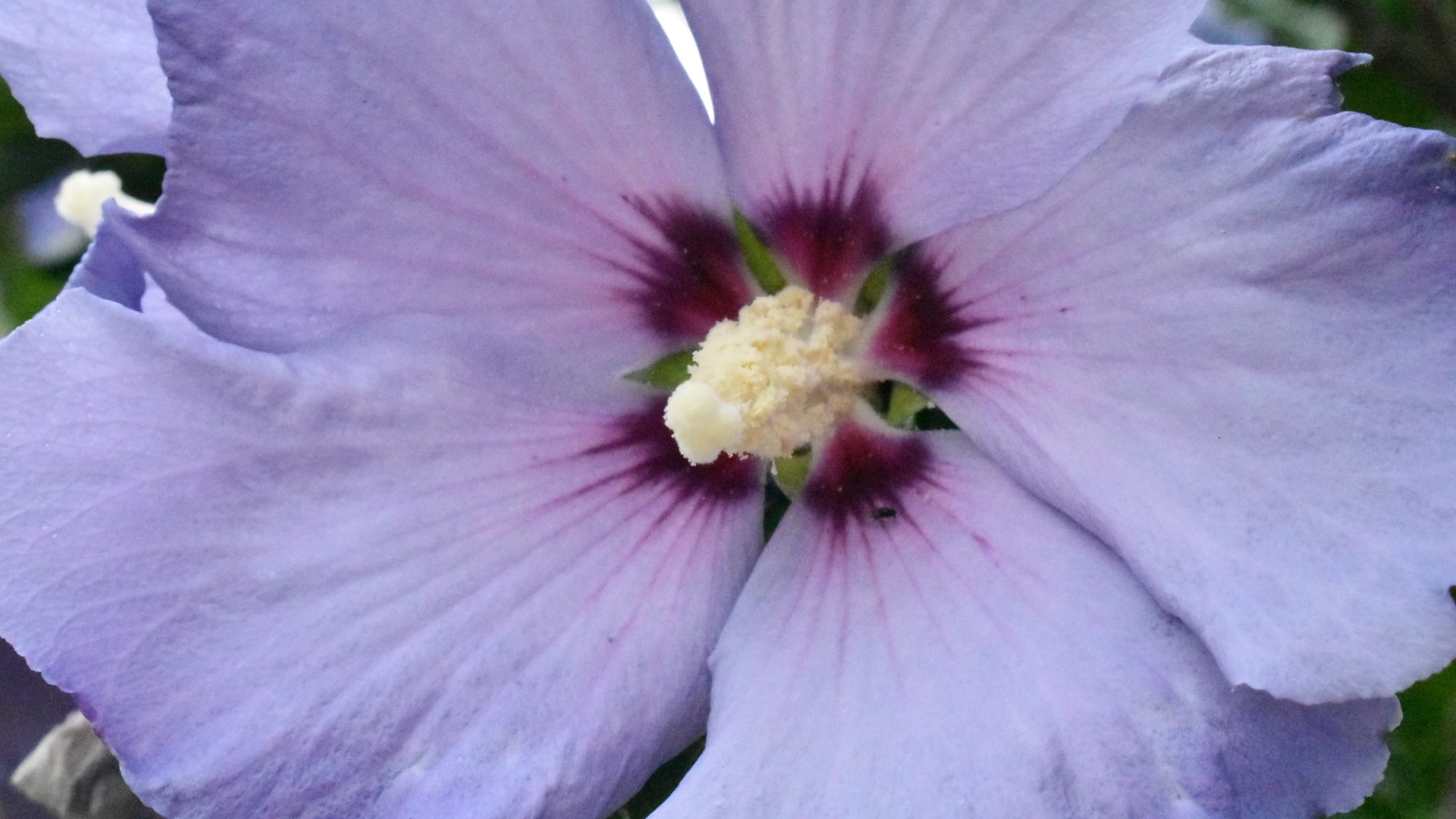
Violet-blue flower with a maroon eye.
Home Plants Hibiscus ‘Blue Bird’
Share Created with Sketch.
  • Email Share this with Email
  • Facebook Share this with Facebook
  • Twitter Share this with Twitter
  • Pinterest Share this with Pinterest
  • WhatsApp Share this with WhatsApp
  • Google + Share this with Google plus

Hibiscus ‘Blue Bird’

View plant on map View all plants

This attractive shrubs is full of distinctively coloured flowers in the Circadian Rhythm Display.

Hibiscus syriacus occurs from India to China, where it grows to 3m in height in a temperate climate, in contrast to the majority of the remaining 300 species of Hibiscus which grow in subtropical and tropical zones. H. syriacus is deciduous in habit, and bears tri-lobed leaves and large, trumpet-shaped flowers with dark centres, and obvious yellow-anthered, white stamens. The true species is rich pink in colour, though a range of colour variants have been bred or selected. ‘Blue Bird’ was raised in France by Croux Fils, and introduced into cultivation in 1958, and was originally called ‘Oiseau Bleu’. It is a striking plant requiring full sun, and well-drained neutral to alkaline soils in mild regions, and produces a succession of flower from mid to late summer.

University of Cambridge Museums and Botanic Garden

Social

  • Follow us on YouTube
  • Follow us on Twitter
  • Follow us on Instagram
  • Follow us on Facebook
  • Follow us on Threads
  • Follow us on LinkedIn

© 2026 Cambridge University Botanic Garden

  • Privacy policy
  • Contact us