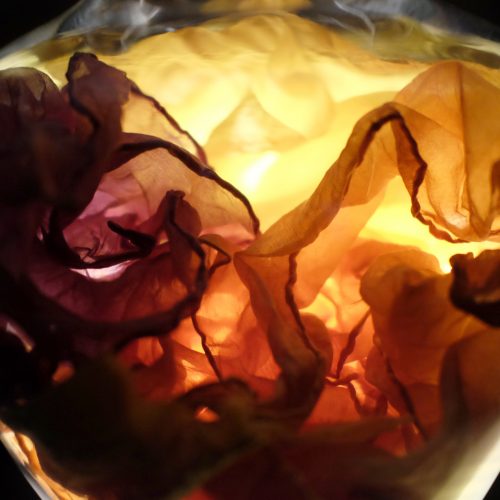
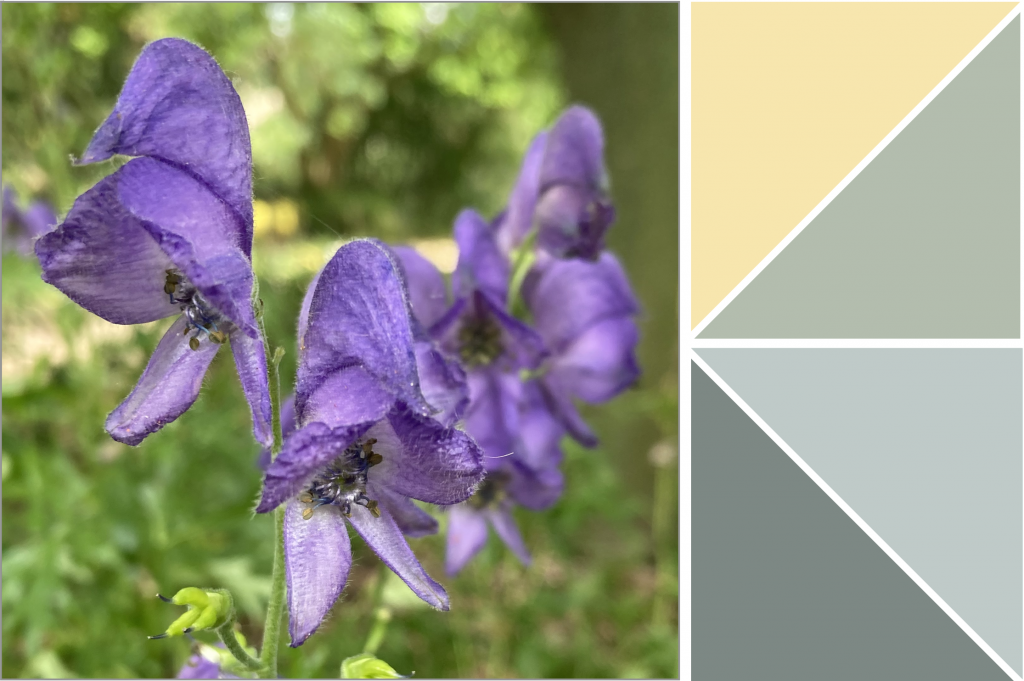
Aconitum carmichaelii
Monkshood
|
Accession Number |
Taxon Name |
Common Name |
Family |
|
19840078*A |
Aconitum carmichaelii |
Monkshood |
Ranunculoideae |
|
Provenance |
Part of Plant |
Location Code |
Season |
|
Garden Origin |
Flowers |
NW6 |
Summer – Autumn |
Method:
- Heat dried or fresh flowers in water and reduced by 1/4
- Add Alum mordant (pH4) = Yellow
- Add Potash mordant (pH12) = Green / Blues
- Handle plant with care
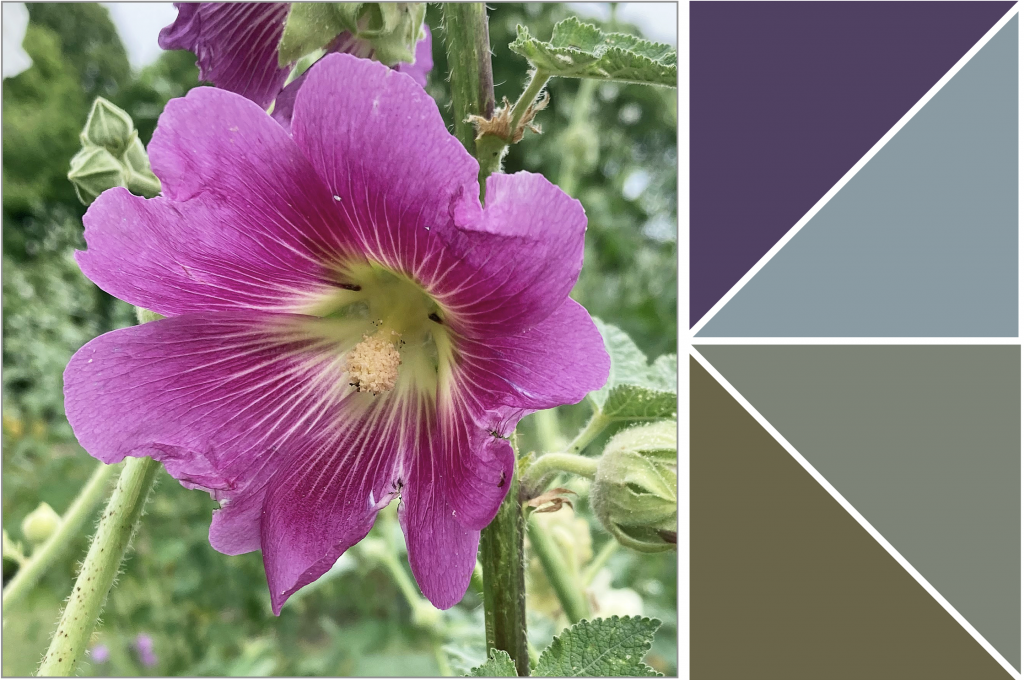
Alcea rosea Nigra
Hollyhock
|
Accession Number |
Taxon Name |
Common Name |
Family |
|
20150196 |
Alcea rosea Nigra |
Hollyhock |
Malvaceae |
|
Provenance |
Part of Plant |
Location Code |
Season |
|
Endemic to Turkey |
Flowers |
SW5 |
Summer – Autumn |
Method:
- Heated the flowers in water and reduced by 1/4
- Add Alum mordant = Purple
- Add Alum mordant and powdered eggshells = Green Paint
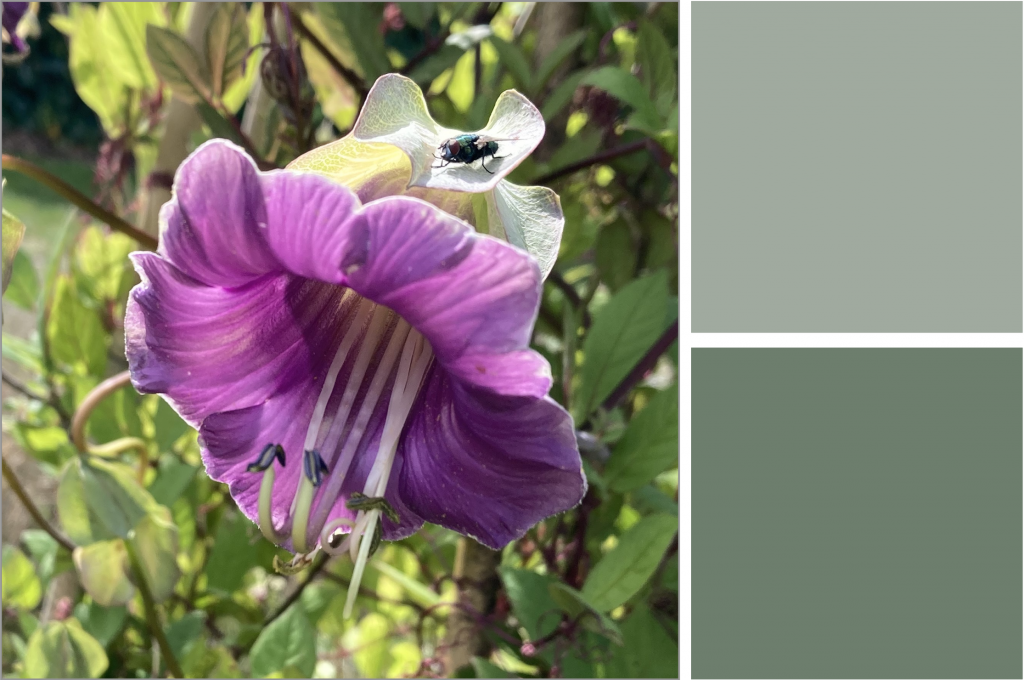
Cobaela scandens
Cobaela
|
Accession Number |
Taxon Name |
Common Name |
Family |
|
20171239*B |
Cobaela scandens |
Cobaela |
Polemoniaceae |
|
Provenance |
Part of Plant |
Location Code |
Season |
|
Mexico |
Flowers |
NW26-3 |
Summer – Autumn |
Method:
- Heat fresh flowers in water and reduced by half (pH7)
- Add Alum mordant to the dye (pH3) = Deep Purple
- Add Tin mordant to the dye (pH2) = Purple – then turns Green
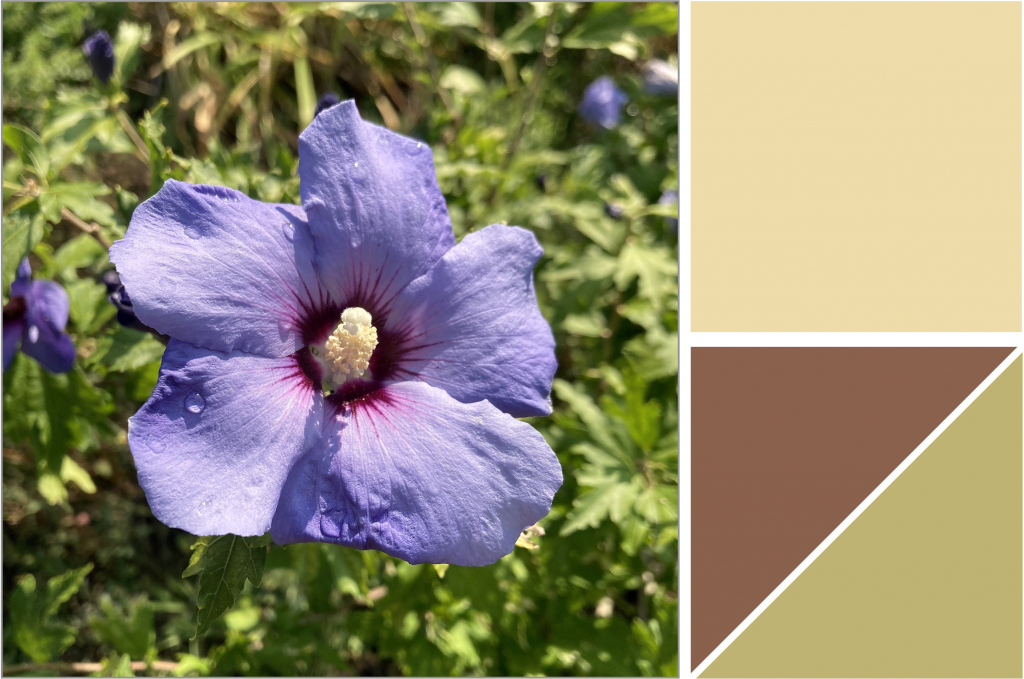
Hibiscus syriacus
Hibiscus
|
Accession Number |
Taxon Name |
Common Name |
Family |
|
20150831*A |
Hibiscus syriacus |
Hibiscus |
Malvaceae |
|
Provenance |
Part of Plant |
Location Code |
Season |
|
Garden Origin |
Flowers |
SE5-23 |
Summer |
Method:
- Heat the unripe berries in water and reduce down to a 1/4
- Add Alum mordant (pH4) = Olive-Green
- Add Potash mordant (pH12) = Pale Yellow
- Add Iron Sulphant mordant (pH2) = Brown
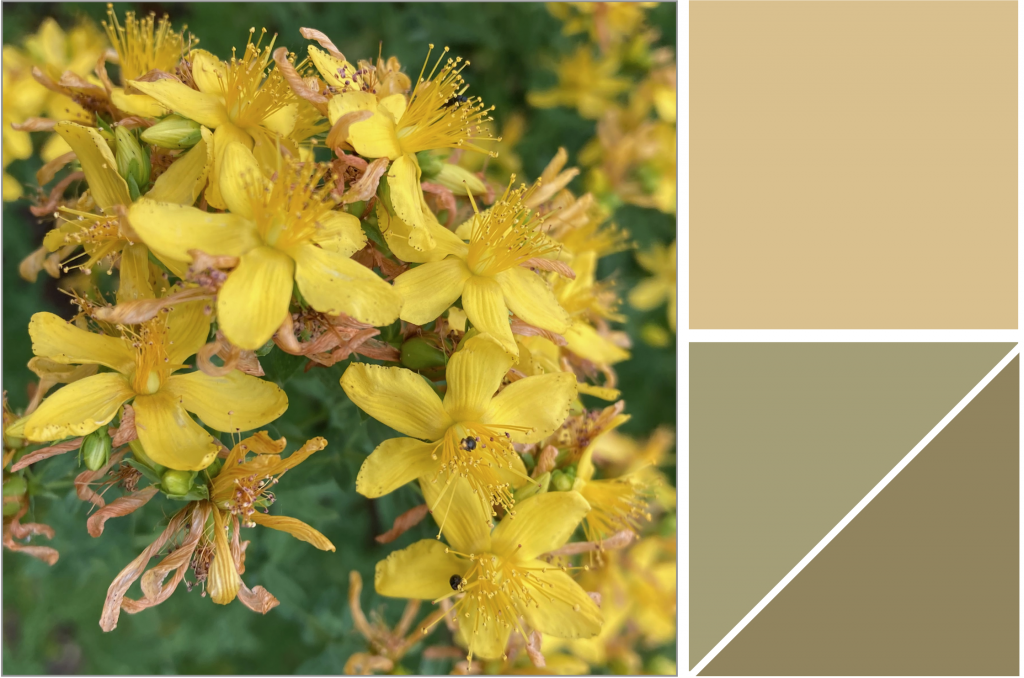
Hypericum perforatum
St John’s Wort
|
Accession Number |
Taxon Name |
Common Name |
Family |
|
20190379*B |
Hypericum perforatum |
St John’s Wort |
Malvaceae |
|
Provenance |
Part of Plant |
Location Code |
Season |
|
Old World |
Flowers |
SW5-17 |
Summer |
Method:
- Heat the flowers in water and reduce down to a 1/4
- Add Alum mordant (pH4) = Yellow / Olive-Green on chamois leather
- Add Potash mordant (pH12) = Tan Yellow
- Add Bicarbonate of Soda mordant (pH8) = Yellow
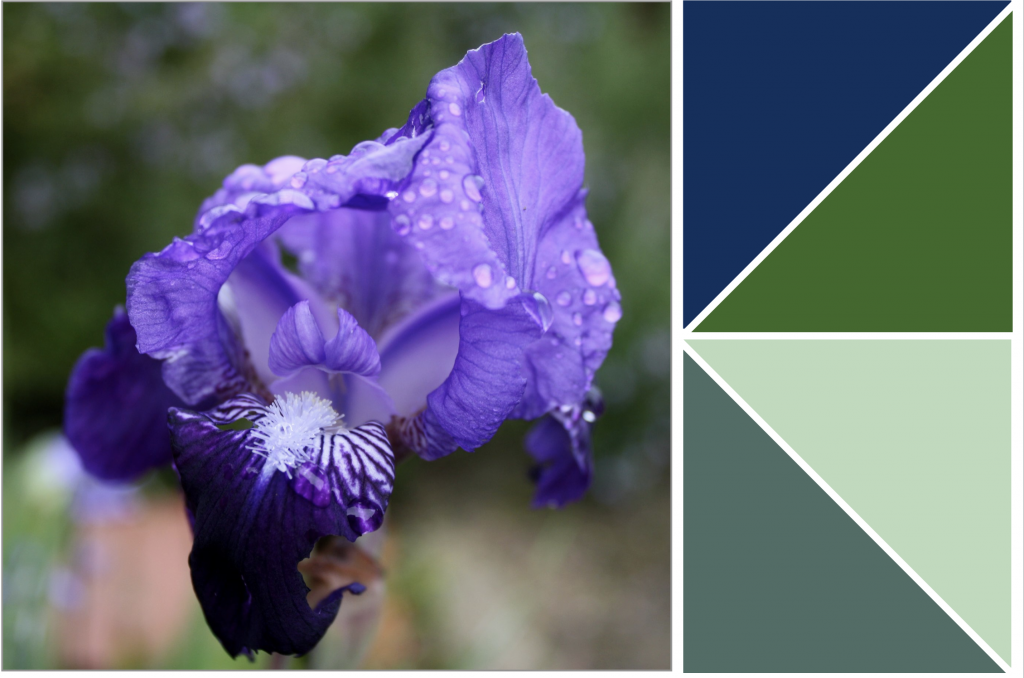
Iris germanica
Iris
|
Accession Number |
Taxon Name |
Common Name |
Family |
|
10005280*A |
Iris germanica |
Purple Iris |
Iridaceae |
|
Provenance |
Part of Plant |
Location Code |
Season |
|
Europe to Himalaya |
Flowers |
SW8-12 |
Spring |
Method:
- Heat the flowers in water and reduce down to a 1/4 (pH5)
- Add Alum mordant = Blue (Fresh Flowers) Purple (Dried Flowers)
- Add Tin mordant (pH3)
- Add tsp chalk to the Tin-dye = Malachite Green Paint
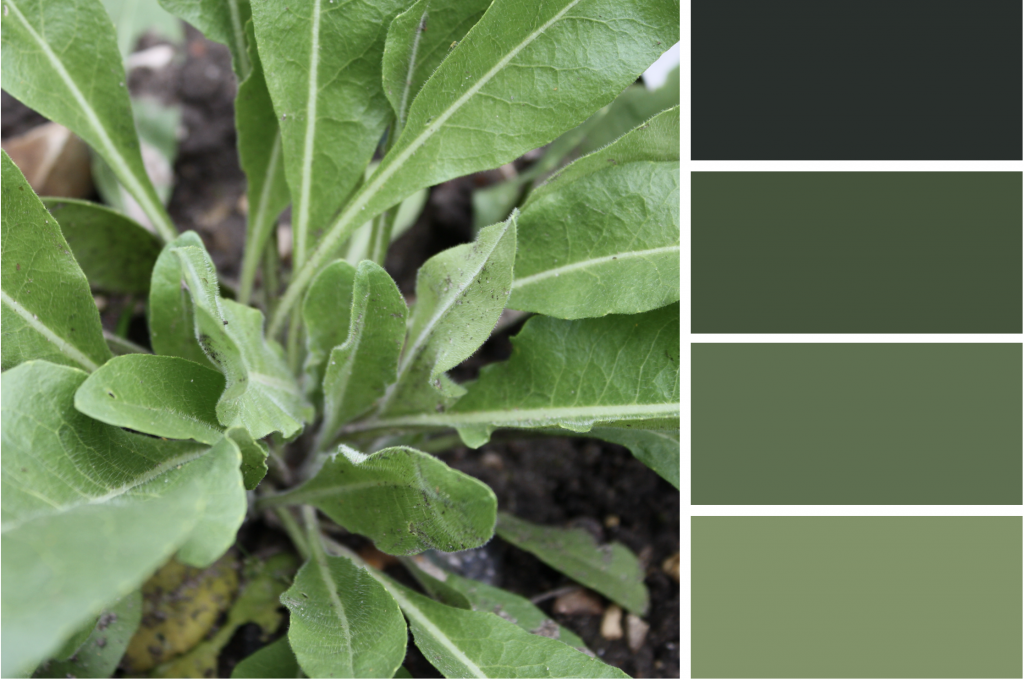
Isatis tinctoria
Woad
|
Accession Number |
Taxon Name |
Common Name |
Family |
|
19590111*A |
Isatis tinctoria |
Woad |
Brassicaceae |
|
Provenance |
Part of Plant |
Location Code |
Season |
|
Europe |
Leaves / Seeds |
SE5 |
Spring – Autumn |
Method:
- Crush woad leaves in a pestle and mortar until they become like a paste, then place the leaves inside a fine cloth then squeeze the juice from the leaves.
- The juice is used without a binder and becomes darker on each layer (9-1) = Green
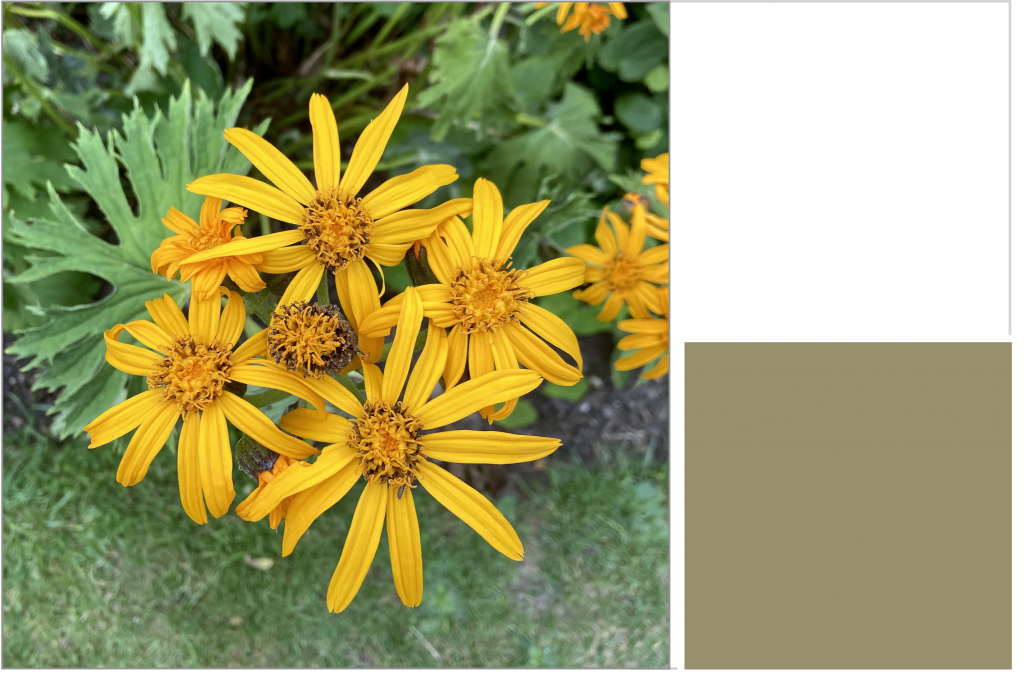
Ligularia japonica
Chinese Dragon
|
Accession Number |
Taxon Name |
Common Name |
Family |
|
19710167*A |
Ligularia japonica |
Chinese Dragon |
Asteraceae |
|
Provenance |
Part of Plant |
Location Code |
Season |
|
Tropical Asia |
Flowers |
NW6 |
Summer |
Method:
-
The fruits are heated in water and reduced by half
-
Add Iron Sulphate mordant to the dye (pH2) = Black-Grey
-
Add Tin mordant to the dye (pH2) = Pinkish Colour
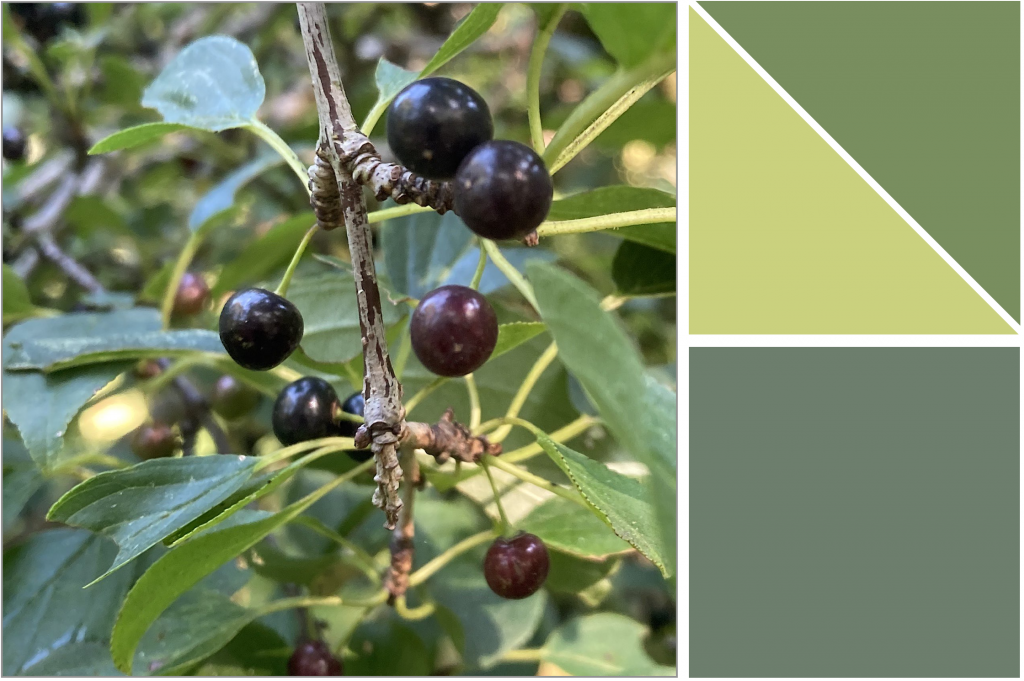
Rhamnus catharica
Common Buckthorn
|
Accession Number |
Taxon Name |
Common Name |
Family |
|
10005915*A |
Rhamnus catharica |
Common Buckthorn |
Rhamnaceae |
|
Provenance |
Part of Plant |
Location Code |
Season |
|
Garden Origin |
Ripe Berries |
SW15 |
Summer |
Method:
- Heat and crush the ripe berries in water and reduce down 1/4
- Add Potash mordant (ph12) = Green
- Add Alum mordant to hot water crushed and left to soak for several hours, then sieved through a fine mesh.
- Gum Arabic powder can be added to thicken the dye to make a watercolour.
- The dye can be added to 3g of chalk (and tin), mixed well and left to naturally dry to form an additional pigment = Green Paint
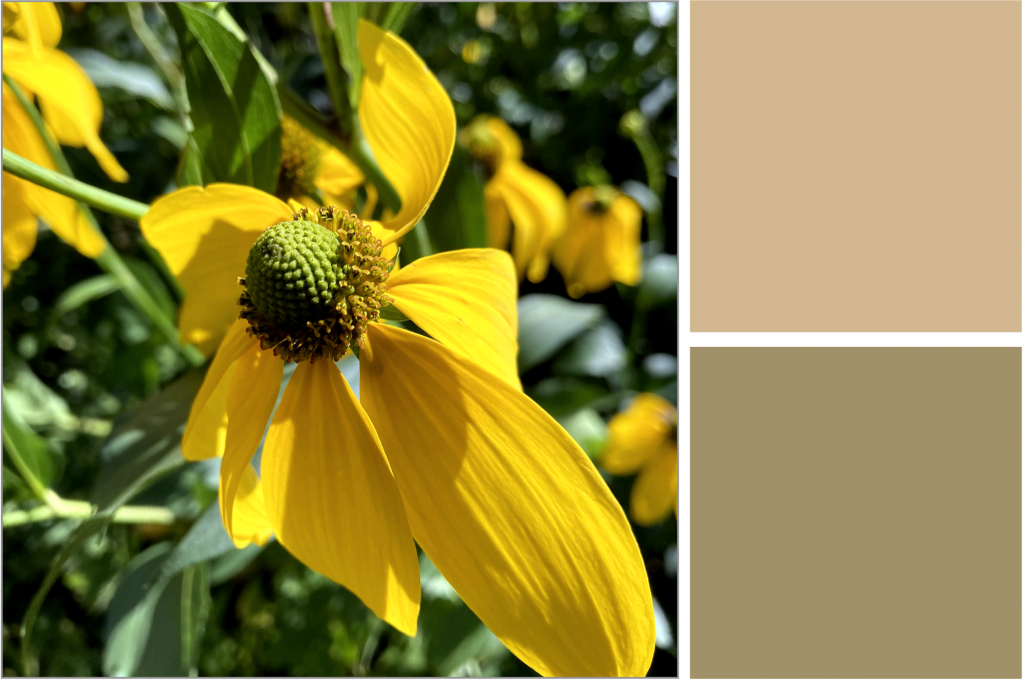
Rudbeckia laciniate
Coneflower
|
Accession Number |
Taxon Name |
Common Name |
Family |
|
10006455*A |
Rudbeckia laciniate |
Coneflower |
Asteroideae |
|
Provenance |
Part of Plant |
Location Code |
Season |
|
N America |
Flowers / Leaves |
SE7 |
Summer – Autumn |
Method:
- Soaked the flowers overnight (pH7)
- Heated the flowers in water and reduced by 1/4
- Add Alum mordant = Greenish-yellow / Lime Green then becomes Olive-Green (pH4)
- Add Potash mordant = Yellow then turns Tan colour (pH12)