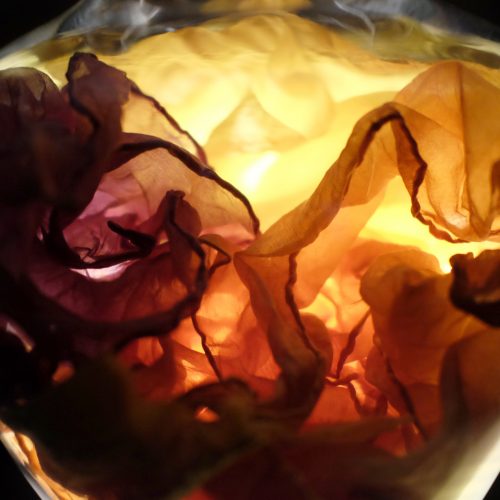
Allium cepa
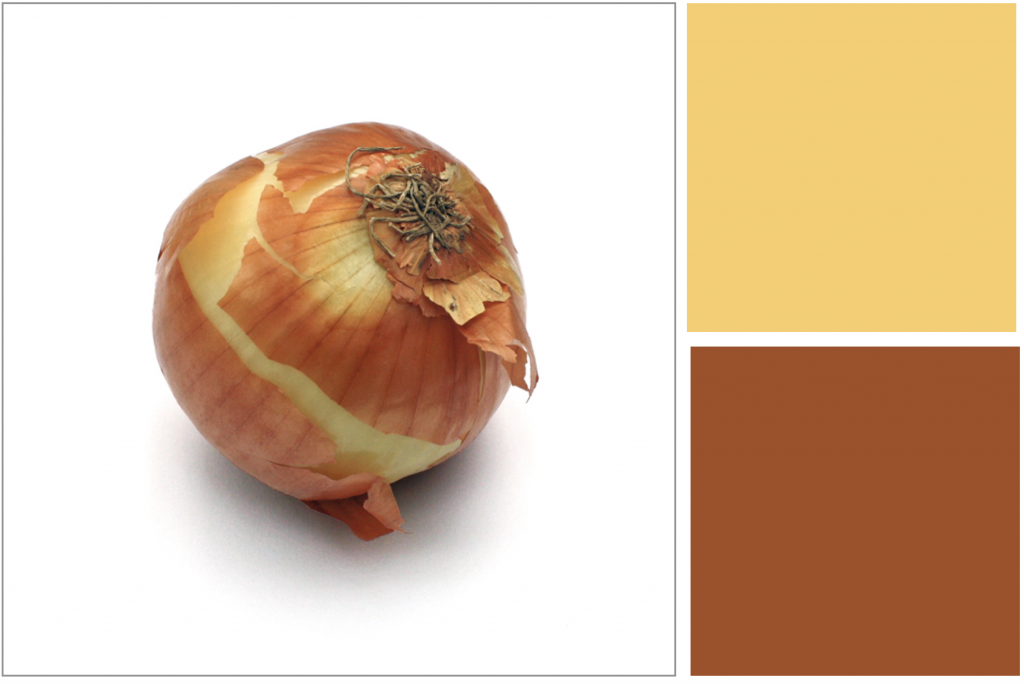
Onion
|
Accession Number |
Taxon Name |
Common Name |
Family |
|
20220204*A |
Allium cepa |
Onion |
Amaryllidaceae |
|
Provenance |
Part of Plant |
Location Code |
Season |
|
Turkmenistan |
Skins |
SW8 – Supermarket |
Summer – Autumn |
Method:
- Heat onion skins in white wine then reduced to 1/4
- Add Alum mordant (pH3) = Yellow
- The Yellow dye was mixed with chalk then left to naturally dry = Orange pigment.
- Quarter of the onion can be crushed then sieved through a fine mesh which can be used to stick the onion skin pigment.
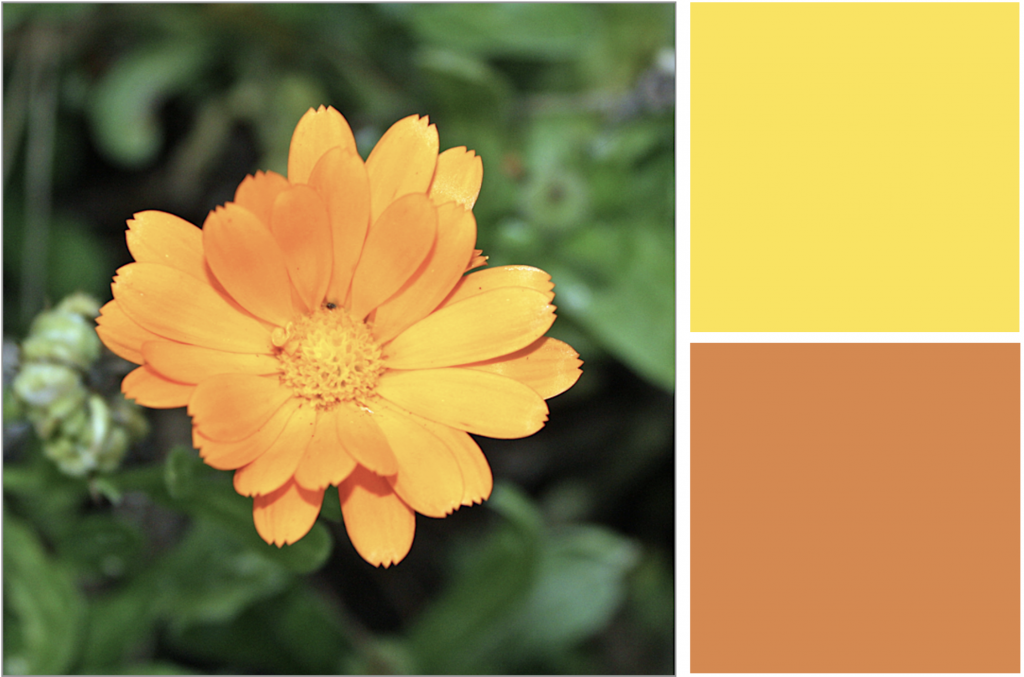
Calendula officinalis
Marigold
|
Accession Number |
Taxon Name |
Common Name |
Family |
|
20100121*A |
Calendula officinalis |
Marigold |
Asteroideae |
|
Provenance |
Part of Plant |
Location Code |
Season |
|
Spain |
Flowers |
SW9-23 |
Summer |
Method:
- Heat the flowers in water and reduced by 1/4.
- Add Alum mordant (pH3) = Yellow
- Add Tin mordant then a small amount of chalk = Orange Paint
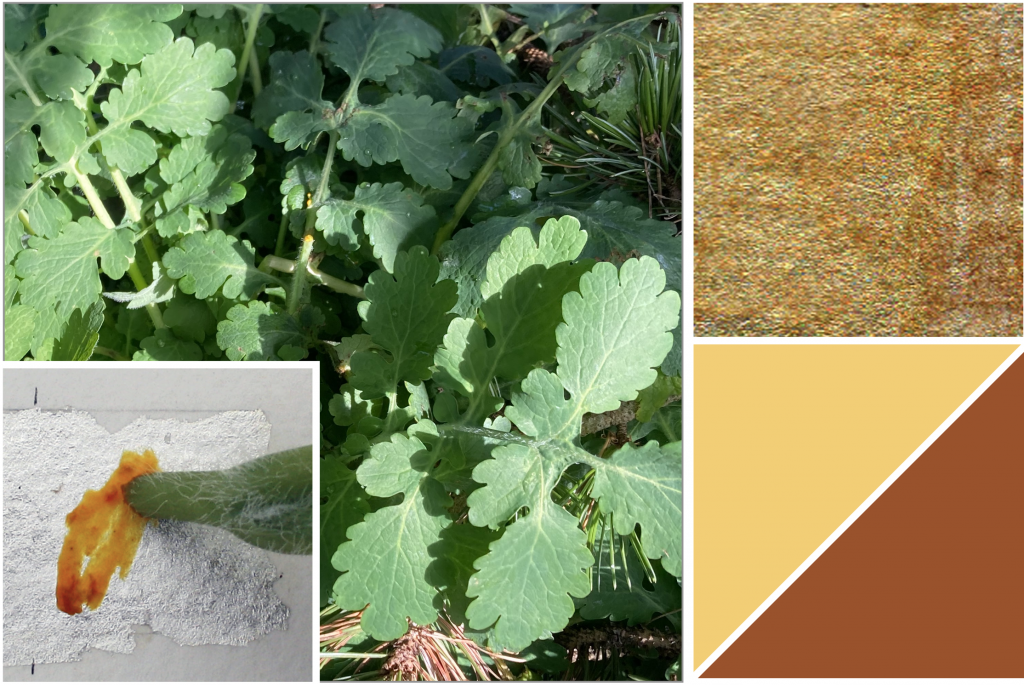
Chelidonium majus
Greater Celandine
|
Accession Number |
Taxon Name |
Common Name |
Family |
|
20180214*A |
Chelidonium majus |
Greater Celandine |
Papaveraceae |
|
Provenance |
Part of Plant |
Location Code |
Season |
|
Old World |
Stem / Root |
SW5-4 |
Spring – Autumn |
Method:
- Break the stem or root of the plant which will bleed a bright orange sap
- The sap can be applied onto the silver / tin leaf from the stem, representing an imitation gold
- The sap can be irritant to the skin
Coreopsis tinctoria
Coreopsis
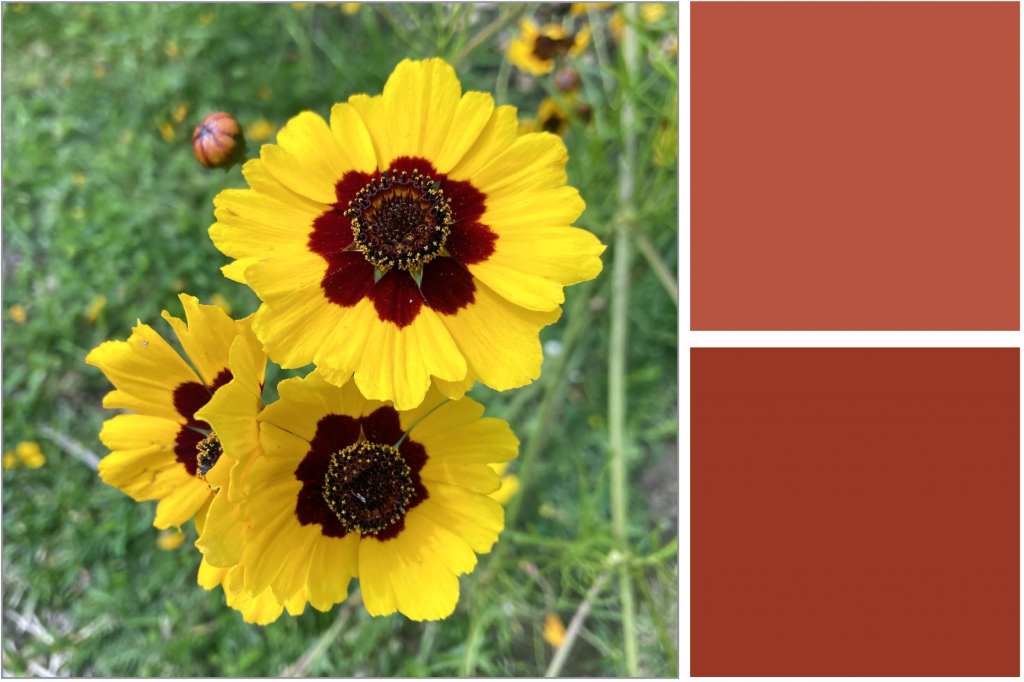
|
Accession Number |
Taxon Name |
Common Name |
Family |
|
20171239*B |
Coreopsis tinctoria |
Nuttal Weed |
Asteraceae |
|
Provenance |
Part of Plant |
Location Code |
Season |
|
N America |
Flowers |
SW7 |
Summer – Autumn |
Method:
- Dried coreopsis flower are heated in water and reduced to 1/4
- Add Bicarbonate of Soda mordant (pH9) = Orange
- Add Alum mordant (pH3) = Orange
Dahlia catus orfeo
Dahlia
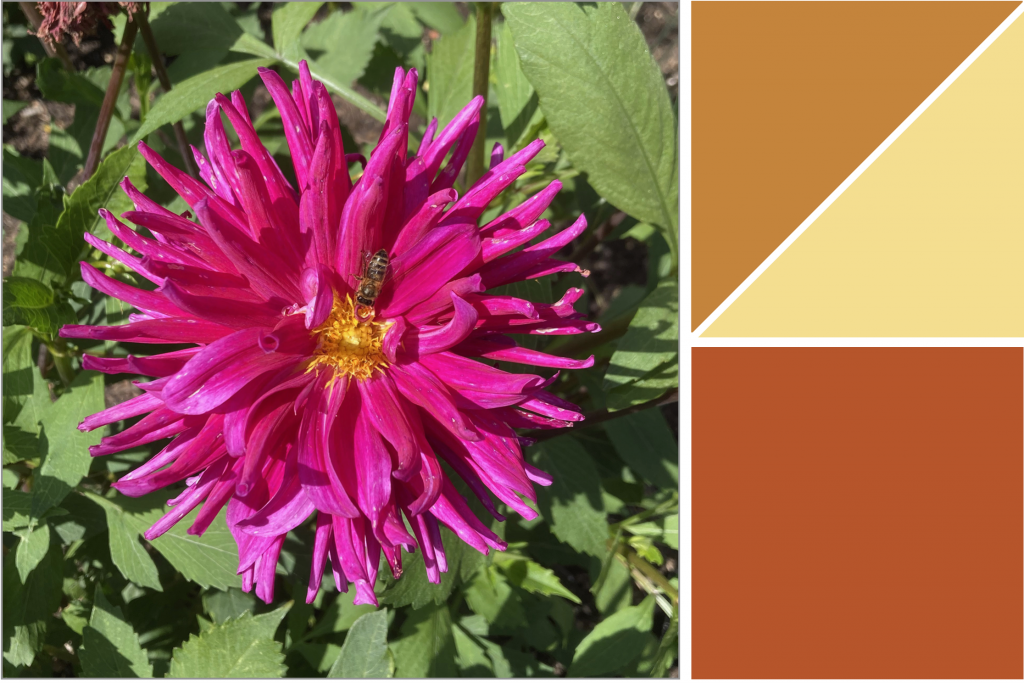
|
Accession Number |
Taxon Name |
Common Name |
Family |
|
20220126*B |
Dahlia catus orfeo |
Dahlia |
Asteraceae subfam |
|
Provenance |
Part of Plant |
Location Code |
Season |
|
Garden Origin |
Flowers |
NE5-10 |
Summer |
Method:
- Heat flowers in water and reduce down to a 1/4 (ph7)
- Add Potash mordant (ph12) = Yellow /Orange
- If the dye is painted onto aluminium-foil it can produce an imitation gold colour.
Fuchsia Mrs Popple
Fuchsia
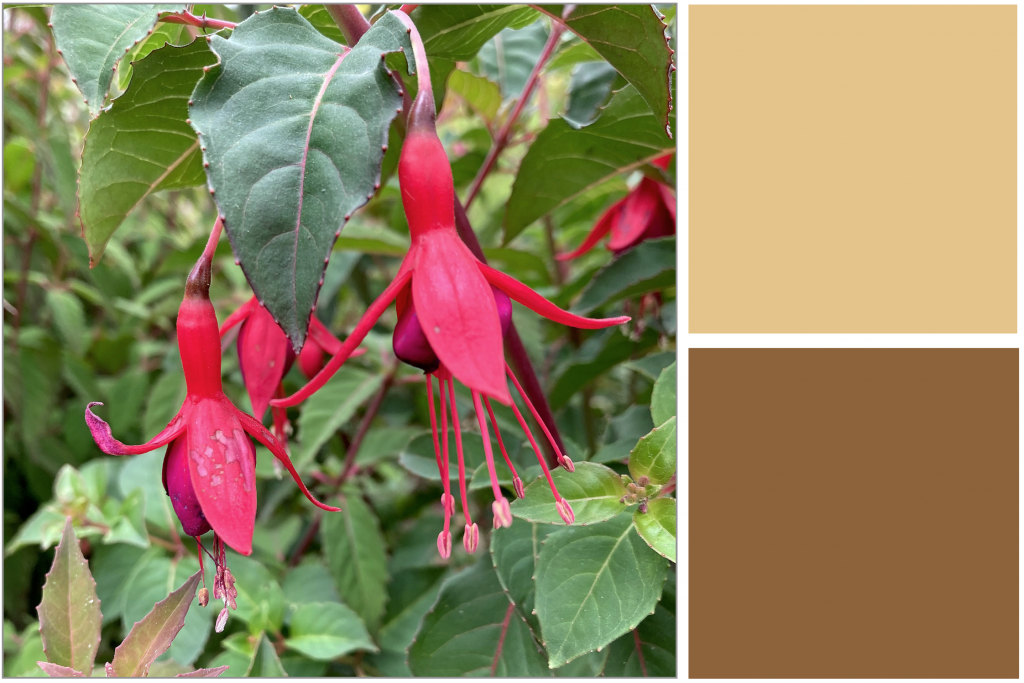
|
Accession Number |
Taxon Name |
Common Name |
Family |
|
20060319*C |
Fuchsia Mrs Popple |
Fuchsia |
Onagraceae |
|
Provenance |
Part of Plant |
Location Code |
Season |
|
Garden Origin |
Flowers |
SW9-7 |
Summer |
Method:
- Heat the flowers in water and reduce down to a 1/4
- Add Alum mordant (pH4) = Yellow
- Add Potash mordant (pH12) = Dull Orange / Rust
Hedera helix
Ivy
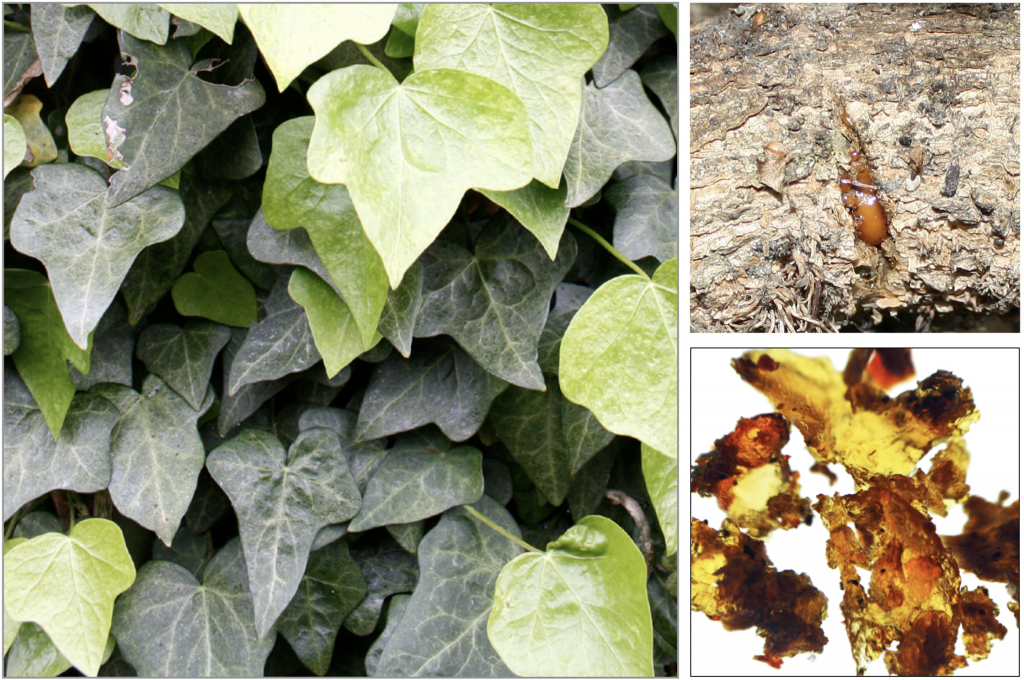
|
Accession Number |
Taxon Name |
Common Name |
Family |
|
19971027*A |
Hedera helix |
Ivy |
Araliaceae |
|
Provenance |
Part of Plant |
Location Code |
Season |
|
Garden Origin |
Sap |
NE7 |
Spring |
Method:
- Cut the outer bark with an axe or nail on branches that grow horizontal in late March early April.
- Orange to translucent gum should appear within a week. Collect the gum.
- The gum changes colour over time from = Orange to a Deep-Red.
- The old resin gum can be collected and becomes soluble when added to white vinegar = Paint
- Add a small amount of chalk = Pinkish Paint
Heritage Science: Colourants made from Aphids and Ivy Gum
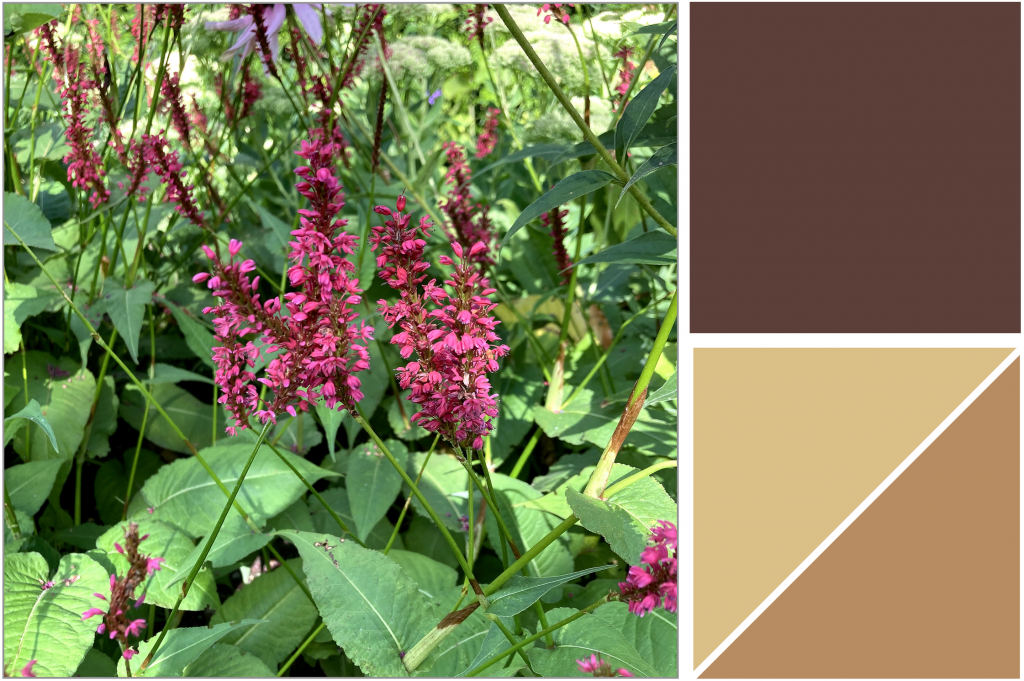
Persicaria amplexicaulis
Persicaria
|
Accession Number |
Taxon Name |
Common Name |
Family |
|
20140914*A |
Persicaria amplexicaulis |
Persicaria |
Polygonaceae |
|
Provenance |
Part of Plant |
Location Code |
Season |
|
Garden Origin |
Leaves |
NE18 |
Summer |
Method:
- Heat the flowers in water and reduce down 1/4 (pH5)
- Add Alum mordant (pH2) = Yellows
- Add Potash mordant (pH12) = Rusty Browns (Flowers)
- Add Iron Sulphate mordant (pH2) = Browns
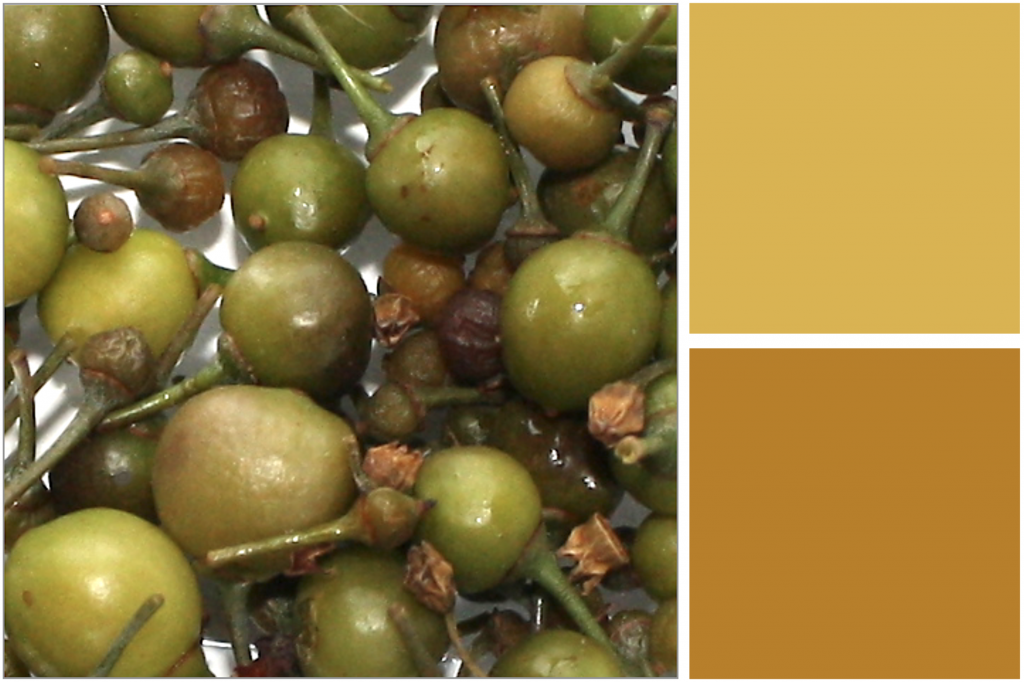
Rhamnus catharica
Common Buckthorn
|
Accession Number |
Taxon Name |
Common Name |
Family |
|
10005915*A |
Rhamnus catharica |
Common Buckthorn |
Polygonaceae |
|
Provenance |
Part of Plant |
Location Code |
Season |
|
Garden Origin |
Unripe Berries |
SW15 |
Summer |
Method:
- Heat and crush the unripe berries in water and reduce down 1/4
- Add Alum mordant (pH3) = Yellow-Orange
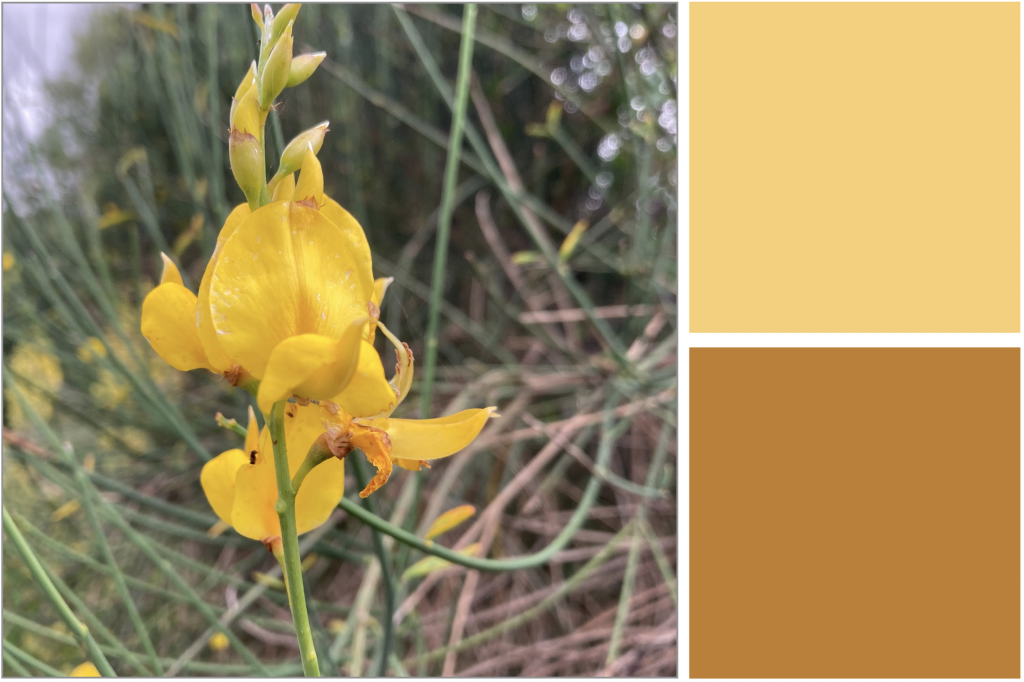
Spartium junceum
Spanish Broom
|
Accession Number |
Taxon Name |
Common Name |
Family |
|
19990301*D |
Spartium junceum |
Spanish Broom |
Faboideae |
|
Provenance |
Part of Plant |
Location Code |
Season |
|
Old World |
Flowers / Leaves |
SW17 |
Summer-Autumn |
- Heated the flowers in water and reduce by 1/4 (pH5)
- Add Alum mordant (pH3) = Yellow
- Added Biocarbinate if Soda (pH9)= Orange Yellow