Location: Classroom
About the course
When gardening for biodiversity, every tuft of grass matters. Even tiny spaces can provide shelter, food and nesting materials for pollinators – in turn, creating essential havens and corridors for the small creatures that live alongside us, both in busy cities and the countryside.
In this course, novice and experienced gardeners alike can learn about the fascinating way flowers have evolved to attract the specific insects that pollinate them, and how this can inform diverse planting choices. We will discuss the role of native and non-native plants in providing food and shelter, as well as how shrubs and trees can be used to create edgeland habitats.
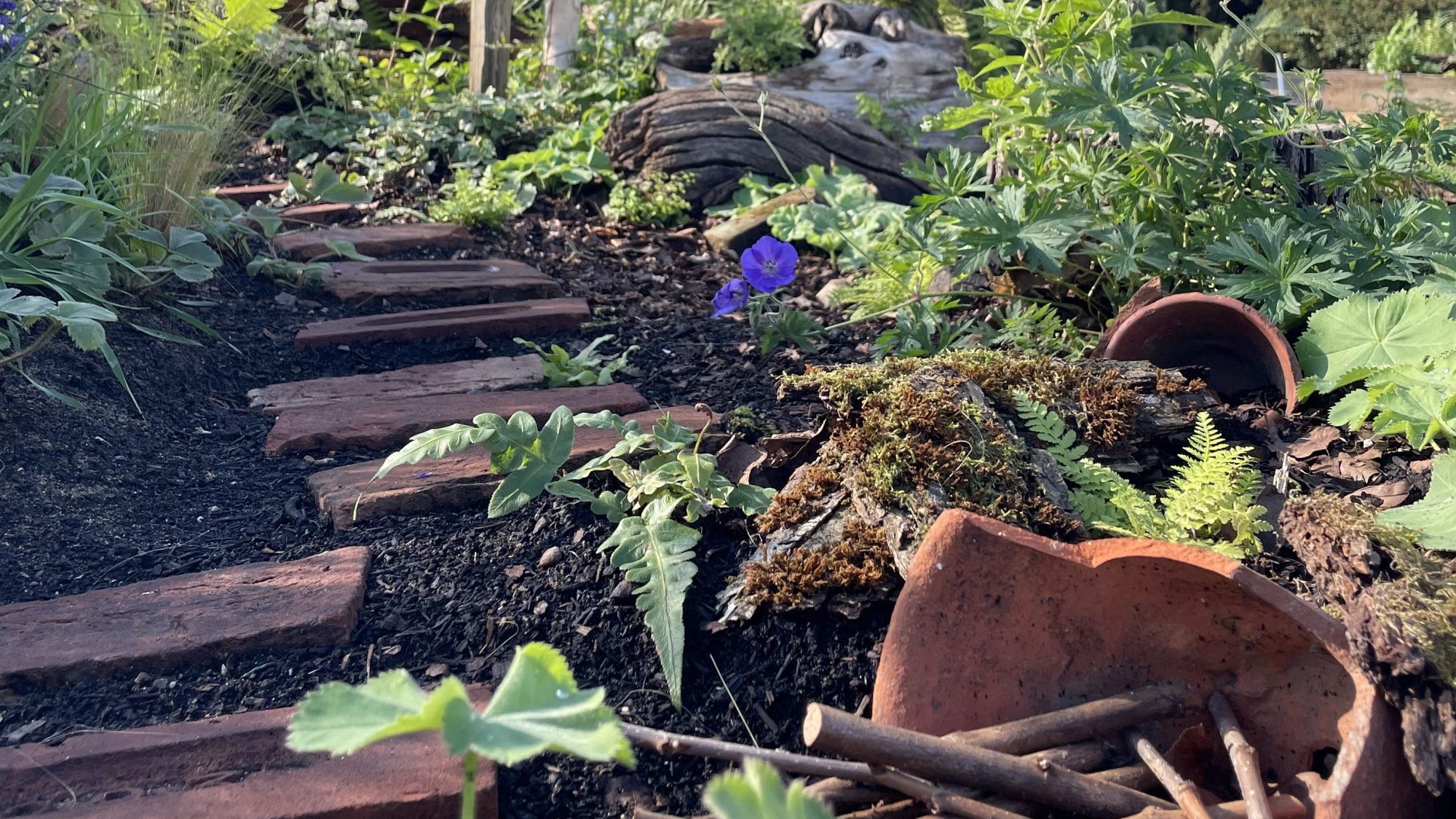
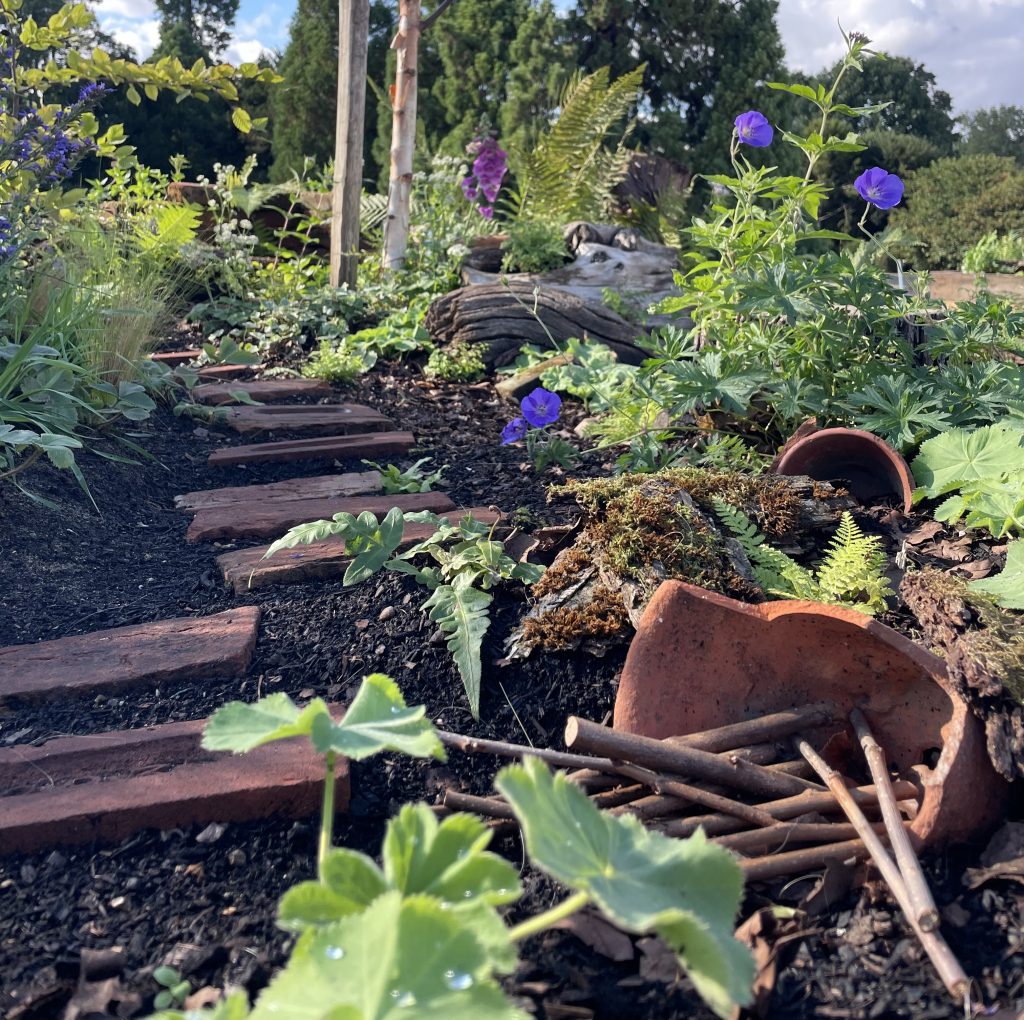
As brownfield sites are increasingly being recognised as ecological hotspots, the course will also dive into the use of non-plant materials, taking inspiration from gardeners such as John Little. We will discuss the importance of features such as deadwood, woven structures, stones and bricks, water, and bare earth – all of which can be incorporated with little experience and budget – in creating complex, biodiverse habitats.
About the tutor
Bookings for this course will close 27 April
Please take the time to read our course cancellations and refunds policy.
Please note that once this course has been filled, you can email education@botanic.cam.ac.uk to be added to a waiting list.
Our Short Courses are for those aged 18+