Back to the page
  • Welcome
  • Visit us
    • Visit us
    • Opening times & information
    • Book Tickets
    • Visiting – travel, dogs, toilets, etc.
    • Garden map
    • Group Visits
    • Tours
    • Press and photography
    • The Garden Café
    • Garden Shops
  • Accessibility
  • What’s on
  • The Garden
    • The Garden
    • About the Garden
    • Horticultural Collections
    • Understanding Plant Labels
    • History of the Garden
    • Wildlife
    • Plant picks of the week
  • Learning
    • Learning
    • Short Courses
    • Certificate in Horticulture
    • Certificate in Botany
    • Schools
    • Colleges and Universities
    • Family Activities
    • Communities
    • Science on Sundays
    • Trails for Adults
  • Science
    • Science
    • Our Science Staff
    • Our Staff Publications
    • Your Science
    • Supporting Your Research
    • Phenology Project
  • Collections
    • Collections
    • Living Collections
    • Seed Bank
    • Herbarium
    • Cory Library
    • Archives
    • Living Collections Portal
    • Botanic Dyes
  • News
  • Support Us
  • Friends
    • Friends
    • Join the Friends – signing up is easy!
    • Friends’ Events
    • Corporate Support and Corporate Friends
    • Gift Membership Vouchers
  • Cambridge Botanic Lights 2026
    • Cambridge Botanic Lights 2026
    • What is Cambridge Botanic Lights 2026?
    • Cambridge Botanic Lights – Frequently Asked Questions (FAQs)
    • Cambridge Botanic Lights – Accessibility
    • No gnome left behind: Donate your garden gnomes to Cambridge Botanic Lights 2026
Donate
Cambridge University Botanic Garden
menu

Today's Opening Times:
10:00am - 6:00pm

  • News
  • Support Us
  • Contact Us
  • Donate
  • Home
  • Visit us
    • Opening times & Information
    • Book Tickets
    • Visiting – travel, dogs, toilets, etc.
    • Garden Map
    • Group Visits
    • Tours
    • Press & Photography
    • Garden Shops
    • The Garden Café
    • Accessibility
    • Virtual Visits
  • What’s on
  • The Garden
    • About the Garden
    • Horticultural Collections
    • Understanding Plant Labels
    • History of the Garden
    • Wildlife
    • Plant picks of the week
  • Learning
    • Short Courses
    • Certificate in Horticulture
    • Certificate in Botany
    • Schools
    • Colleges and Universities
    • Family Activities
    • Communities
    • Science on Sundays
    • Trails for Adults
  • Science
    • Our Science Staff
    • Our Staff Publications
    • Your Science
    • Supported Publications
    • Supporting Your Research
    • Phenology Project
  • Collections
    • Living Collections
    • Herbarium
    • Seed Bank
    • Cory Library
    • Archives
    • Collecting Expeditions
    • National Plant Collections ®
    • Living Collections Portal
    • Botanic Dyes
  • Friends
    • Join the Friends – signing up is easy!
    • Gift Membership Vouchers
    • Friends’ Events
    • Corporate Support and Corporate Friends
  • Cambridge Botanic Lights 2026
    • What is Cambridge Botanic Lights 2026?
    • Cambridge Botanic Lights – Frequently Asked Questions (FAQs)
    • Cambridge Botanic Lights – Accessibility
    • No gnome left behind: Donate your garden gnomes to Cambridge Botanic Lights 2026
  • Open search panel
Close search panel
Back to listing
Home News Garden news The Struggle for Light: Seaweed illustrations inspire new Garden exhibition
Share Created with Sketch.
  • Email Share this with Email
  • Facebook Share this with Facebook
  • Twitter Share this with Twitter
  • Pinterest Share this with Pinterest
  • WhatsApp Share this with WhatsApp
  • Google + Share this with Google plus

The Struggle for Light: Seaweed illustrations inspire new Garden exhibition

A new immersive exhibition explores artist Mary Merrifield’s seaweed paintings and the enduring struggle for women’s creative freedom.

19 August 2026

The first exhibition of its kind at Cambridge University Botanic Garden and the first by The Glasshouse Artists will open to visitors later this month. 

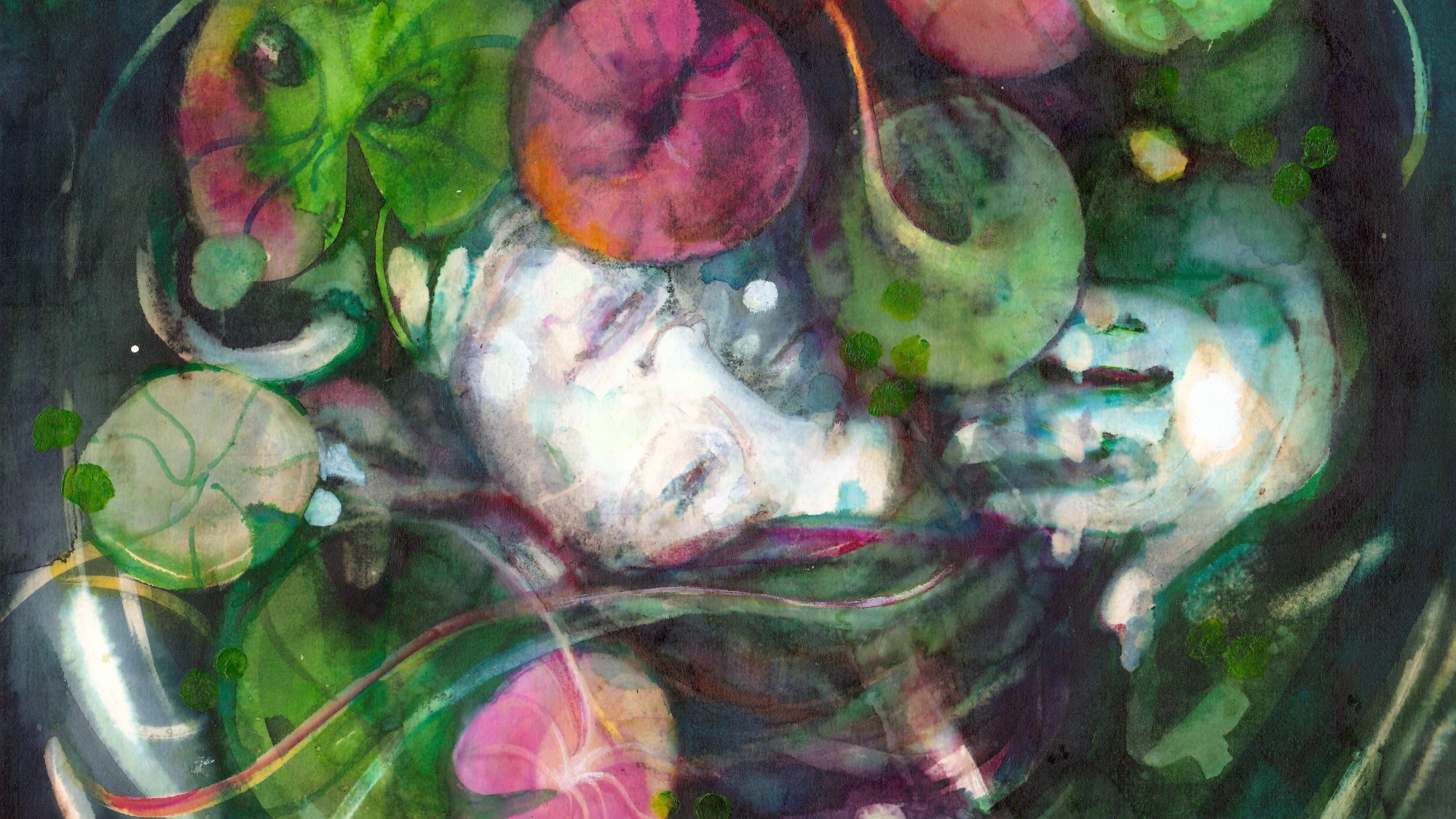
The Struggle for Light, an immersive installation inspired by art, seaweed and the fight for creative freedom, shines a light on the remarkable works by little-known artist, writer and scientist Mary Merrifield (1804-1889). 

The exhibition takes inspiration from a collection of Merrifield’s algological watercolours held by Cambridge University Herbarium (algological means relating to the scientific study of algae). At its heart is a simple question: why did Mary Merrifield choose to paint and collect seaweed?

Mary Merrifield's watercolour illustrations in Cambridge University Herbarium. Click for information

Juliet Anderson, Collections and Digitisation Assistant at Cambridge University Herbarium, explained: “For the first part of her life and career, Mary was a fashion writer and illustrator. She wrote several books including ‘Dress as Fine Art’, which provided the initial inspiration for The Glasshouse Artists and this exhibition. The book championed practical fashions for women, advocating for clothing that allowed them greater freedom of movement.” 

“Later, there was a shift in her interests from fashion and art to algology, the study of algae. She was always interested in natural history, and you can see it come into her writing with her book ‘A Sketch of the Natural History of Brighton’ published in 1864, about the local geology, flora, fauna and marine life, including seaweed.”  

“She produced about 1,000 watercolour illustrations, the majority of which were donated to the Herbarium after being found in her granddaughter’s Cambridge home.” 

We hope that by highlighting the story of Mary Merrifield, and the broader narrative of women’s creative struggles, through art we will shine a light on the Garden’s collections and lesser-known histories.

Louise Campbell, Community Learning Coordinator

The exhibition has been created by The Glasshouse Artists, a community art group led by artist Annabel Lee, formed following the Garden’s Participatory Research Project Belonging: Creating a Shared Vision of the Botanic Garden last year. Together, they create art inspired by the Garden and have drawn on Merrifield’s ideas around women’s freedom and dress reform. 

Inspired by Merrifield’s story, the artists have imagined seaweed as a symbol of movement, possibility and liberation – a striking contrast to the social constraints placed on Victorian women. Merrifield’s determination to balance artistic ambition with domestic expectations continues to resonate with the experiences of women artists today. 

Visitors can step inside an atmospheric Victorian sitting room, reimagined through sculpture, lighting and sound, as well as a specially commissioned piece of creative writing. Within the room will be large clear tanks containing aquatic plants, reminiscent of those found in the Glasshouse Range. These represent Mary Merrifield, her descendants and generations of women artists reaching towards the light, creating a powerful visual metaphor for perseverance, growth and the pursuit of creative recognition. 

Throughout the space, botanical imagery appears in unexpected places – from hidden details woven into wallpaper and textiles to striking artworks displayed around the room – inviting visitors to look closely and uncover the many layers of the story. 

Art exhibits in The Struggle for Light art exhibition at Cambridge University Botanic Garden. Click for information

Louise Campbell, Community Learning Coordinator at Cambridge University Botanic Garden says: “This is the first time an immersive exhibition such as this has been seen in the Garden, bringing together art, botanical heritage and underrepresented histories, and we’re thrilled to share this meaningful and richly atmospheric installation with visitors to the Garden.”

“Creativity was one of the main themes to emerge from the Garden’s Community Research Project, to which many of these artists contributed, as the Garden is full of stories that artists can help tell.“

“We hope that by highlighting the story of Mary Merrifield, and the broader narrative of women’s creative struggles, through art we will shine a light on the Garden’s collections and lesser-known histories.”

The Struggle for Light invites visitors to discover a relatively unknown chapter of Cambridge’s botanical and artistic heritage, while reflecting on the enduring relationship between creativity, freedom and the natural world. 

The exhibition will take place in the Syndicate Room in Brookside from Monday 24 August to Sunday 30 August from 12-6pm on Monday and 10am to 6pm for the rest of the week. It is free with standard Garden admission. 

You may also be interested in

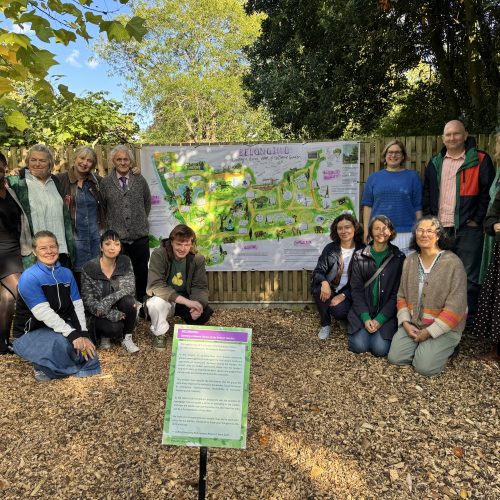
Community shares ideas for CUBG's future landscape

Community shares ideas for CUBG's future landscape

A beautiful new map highlighting what’s important to the local community about Cambridge University Botanic Garden (CUBG) has been created.
Communities

Communities

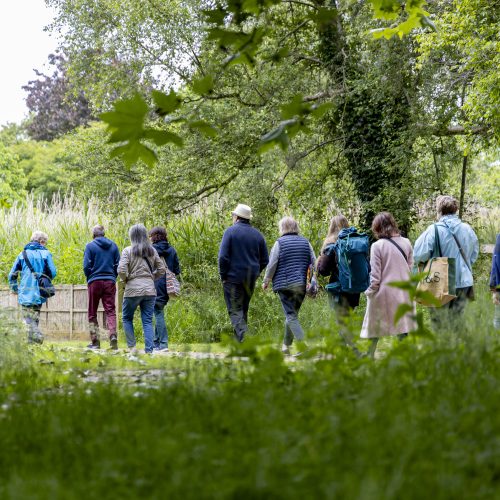
Book a visit with your community group and enjoy our beautiful, peaceful Garden as a place to socialise and learn together
What's on

What's on

What are you interested in seeing and doing?
University of Cambridge Museums and Botanic Garden

Social

  • Follow us on YouTube
  • Follow us on Twitter
  • Follow us on Instagram
  • Follow us on Facebook
  • Follow us on Threads
  • Follow us on LinkedIn

© 2026 Cambridge University Botanic Garden

  • Privacy policy
  • Contact us