Back to the page
  • Welcome
  • Visit us
    • Visit us
    • Opening times & information
    • Book Tickets
    • Visiting – travel, dogs, toilets, etc.
    • Garden map
    • Group Visits
    • Tours
    • Press and photography
    • The Garden Café
    • Garden Shops
  • Accessibility
  • What’s on
  • The Garden
    • The Garden
    • About the Garden
    • Horticultural Collections
    • Understanding Plant Labels
    • History of the Garden
    • Wildlife
    • Plant picks of the week
  • Learning
    • Learning
    • Short Courses
    • Certificate in Horticulture
    • Certificate in Botany
    • Schools
    • Colleges and Universities
    • Family Activities
    • Communities
    • Science on Sundays
    • Trails for Adults
  • Science
    • Science
    • Our Science Staff
    • Our Staff Publications
    • Your Science
    • Supporting Your Research
    • Phenology Project
  • Collections
    • Collections
    • Living Collections
    • Seed Bank
    • Herbarium
    • Cory Library
    • Archives
    • Living Collections Portal
    • Botanic Dyes
  • News
  • Support Us
  • Friends
    • Friends
    • Join the Friends – signing up is easy!
    • Friends’ Events
    • Corporate Support and Corporate Friends
    • Gift Membership Vouchers
  • Cambridge Botanic Lights 2026
    • Cambridge Botanic Lights 2026
    • What is Cambridge Botanic Lights 2026?
    • Cambridge Botanic Lights – Frequently Asked Questions (FAQs)
    • Cambridge Botanic Lights – Accessibility
    • No gnome left behind: Donate your garden gnomes to Cambridge Botanic Lights 2026
Donate
Cambridge University Botanic Garden
menu

Today's Opening Times:
10:00am - 5:00pm

  • News
  • Support Us
  • Contact Us
  • Donate
  • Home
  • Visit us
    • Opening times & Information
    • Book Tickets
    • Visiting – travel, dogs, toilets, etc.
    • Garden Map
    • Group Visits
    • Tours
    • Press & Photography
    • Garden Shops
    • The Garden Café
    • Accessibility
    • Virtual Visits
  • What’s on
  • The Garden
    • About the Garden
    • Horticultural Collections
    • Understanding Plant Labels
    • History of the Garden
    • Wildlife
    • Plant picks of the week
  • Learning
    • Short Courses
    • Certificate in Horticulture
    • Certificate in Botany
    • Schools
    • Colleges and Universities
    • Family Activities
    • Communities
    • Science on Sundays
    • Trails for Adults
  • Science
    • Our Science Staff
    • Our Staff Publications
    • Your Science
    • Supported Publications
    • Supporting Your Research
    • Phenology Project
  • Collections
    • Living Collections
    • Herbarium
    • Seed Bank
    • Cory Library
    • Archives
    • Collecting Expeditions
    • National Plant Collections ®
    • Living Collections Portal
    • Botanic Dyes
  • Friends
    • Join the Friends – signing up is easy!
    • Gift Membership Vouchers
    • Friends’ Events
    • Corporate Support and Corporate Friends
  • Cambridge Botanic Lights 2026
    • What is Cambridge Botanic Lights 2026?
    • Cambridge Botanic Lights – Frequently Asked Questions (FAQs)
    • Cambridge Botanic Lights – Accessibility
    • No gnome left behind: Donate your garden gnomes to Cambridge Botanic Lights 2026
  • Open search panel
Close search panel
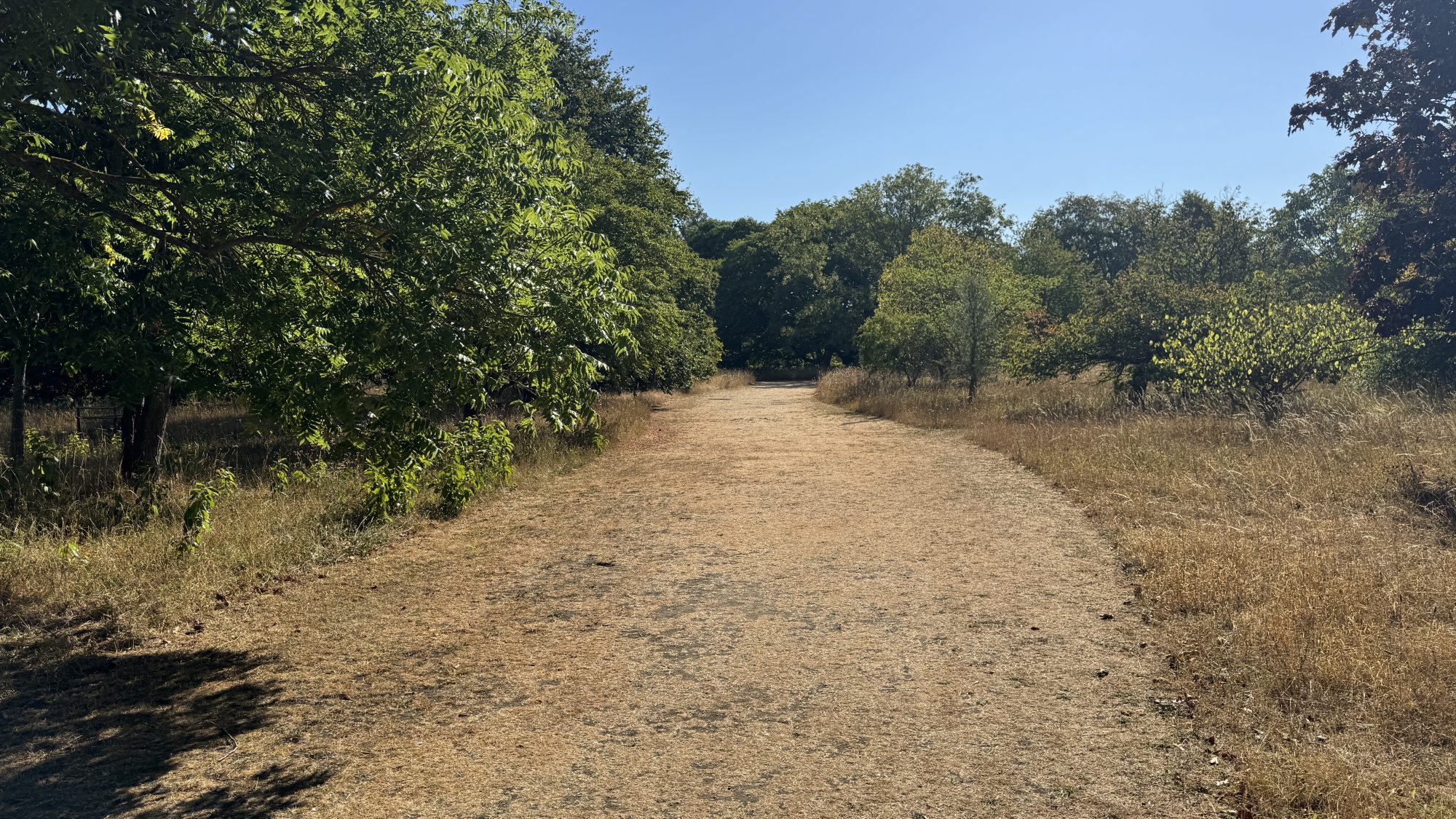
a path of yellow, dead grass stretches into the distance with yellow grass and green trees around it
Home Friends & Support Us Irrigation Project
Share Created with Sketch.
  • Email Share this with Email
  • Facebook Share this with Facebook
  • Twitter Share this with Twitter
  • Pinterest Share this with Pinterest
  • WhatsApp Share this with WhatsApp
  • Google + Share this with Google plus

Irrigation Project

Please help us to protect our living collection

Behind every border, tree and display in the Garden lies a living collection of immense scientific and conservation value. This collection supports research into some of the greatest challenges facing society today, from climate change and biodiversity loss to food security and human wellbeing.

If you visited during the summer of 2026, you will have witnessed the effects of the drought with your own eyes. Lawns browned, soils dried and even established trees and shrubs showed signs of stress. What was once considered unusual is becoming increasingly common, with summer droughts becoming part of our seasonal weather.

The challenge is no longer preparing for the occasional dry spell. It is adapting to a future in which prolonged periods of drought become the norm. Following the severe drought of 2022, the Garden lost 165 accessions, including plants within UK National Collections, UK Champion Trees and species of significant conservation importance. Some had been cultivated and cared for over many years and cannot easily be replaced.

dry, yellow grass, with some bare patches between dusty-looking flower beds
The Rose Garden, summer 2026 Click for information
green grass around colourful flowerbeds
The Rose Garden, spring 2026 Click for information
yellowed lawn in front of Brookside building
Brookside lawn, summer 2026 Click for information
lush, green lawn in front of Brookside building
Brookside lawn, spring 2026 Click for information

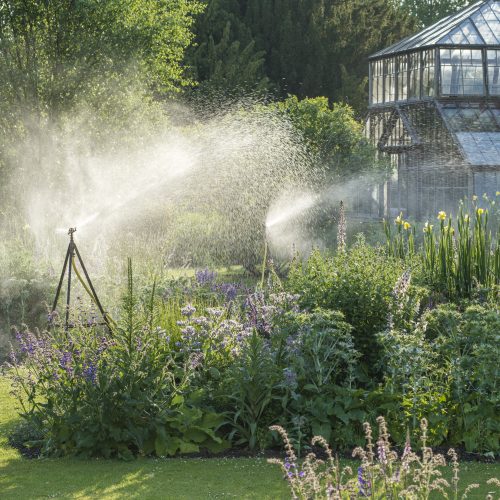
We have to improve our ability to care for our collection in an unpredictable climate. As it stands, much of our irrigation infrastructure dates back over 100 years and serves only half of the Garden. To reach everywhere, our staff must rely on long hoses and labour-intensive manual watering.

This approach is no longer sustainable and so the Garden is preparing a major irrigation project.

The first phase will create a modern ring-main network, ensuring that every area of the Garden can access water when it is needed most. This project is not about using more water. It is about using water more intelligently. Modern irrigation systems can target water exactly where it is needed, reducing waste. We are installing soil moisture monitors and rain sensors which will prevent unnecessary watering, while programmable controls will allow staff to respond quickly to changing conditions.

This is the first stage of a wider vision for sustainable water management across the Garden. Once the ring-main is in place, it will provide the foundation for enhanced rainwater harvesting and storage.

At its heart, this project is about resilience. It is about ensuring that we can protect the collection and give our horticultural team the tools they need to care for it most effectively in a changing climate.

This project is not about using more water. It is about using water more intelligently.

Why Now?

This irrigation project represents one of the most important infrastructure investments the Garden has undertaken for many years. The Garden has already committed substantial funding towards the £2 million cost, and we are so grateful to everyone who has already supported the project. However, we still need to raise a further £400,000 before work can begin.

To connect the new network, the existing system must be taken out of service. This can only happen during a narrow winter window between January and April, when water demand is at its lowest and the risks to the collection are most manageable. With increasingly unpredictable weather and the possibility of drought conditions developing earlier in the year, we cannot risk entering late spring and summer without a functioning irrigation system.

If the remaining funds are not secured in time, the project will have to be postponed until the following year. That would mean facing another summer with the same ageing infrastructure that left parts of the collection vulnerable during recent droughts.

Every year that this project is postponed increases the risk to plants and trees that have taken decades to establish. Some losses could take many years to recover from. Others may be impossible to replace.

How you can help

Every donation, no matter how small, will help us move closer to creating a more resilient and sustainable future for the collection.

A gift of £5, £10 or £20 may seem modest, but together these donations can make a real difference. If you value the collection and would like to help protect it, please consider contributing. Every drop counts, and every donation helps.

You can donate online through our giving portal, or if you prefer another way of giving, please do get in touch.

For further information please contact development@botanic.cam.ac.uk.
You may also be interested in

Make a Donation

Make a Donation

Your donation will make a difference
Hot Weather at the Botanic Garden

Hot Weather at the Botanic Garden

Q&A with CUBG Director Beverley Glover and Head of Horticulture, Sally Petitt
Friends

Friends

Our Friends are our biggest supporters
University of Cambridge Museums and Botanic Garden

Social

  • Follow us on YouTube
  • Follow us on Twitter
  • Follow us on Instagram
  • Follow us on Facebook
  • Follow us on Threads
  • Follow us on LinkedIn

© 2026 Cambridge University Botanic Garden

  • Privacy policy
  • Contact us