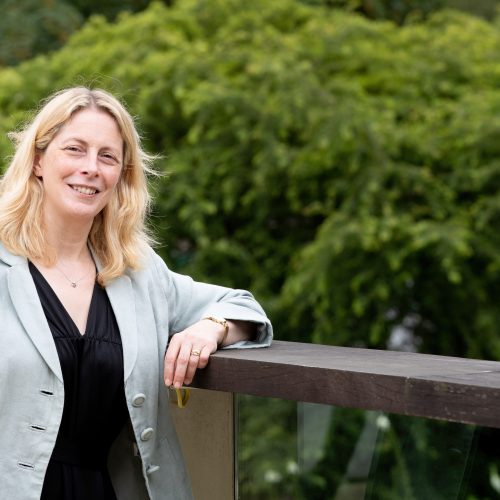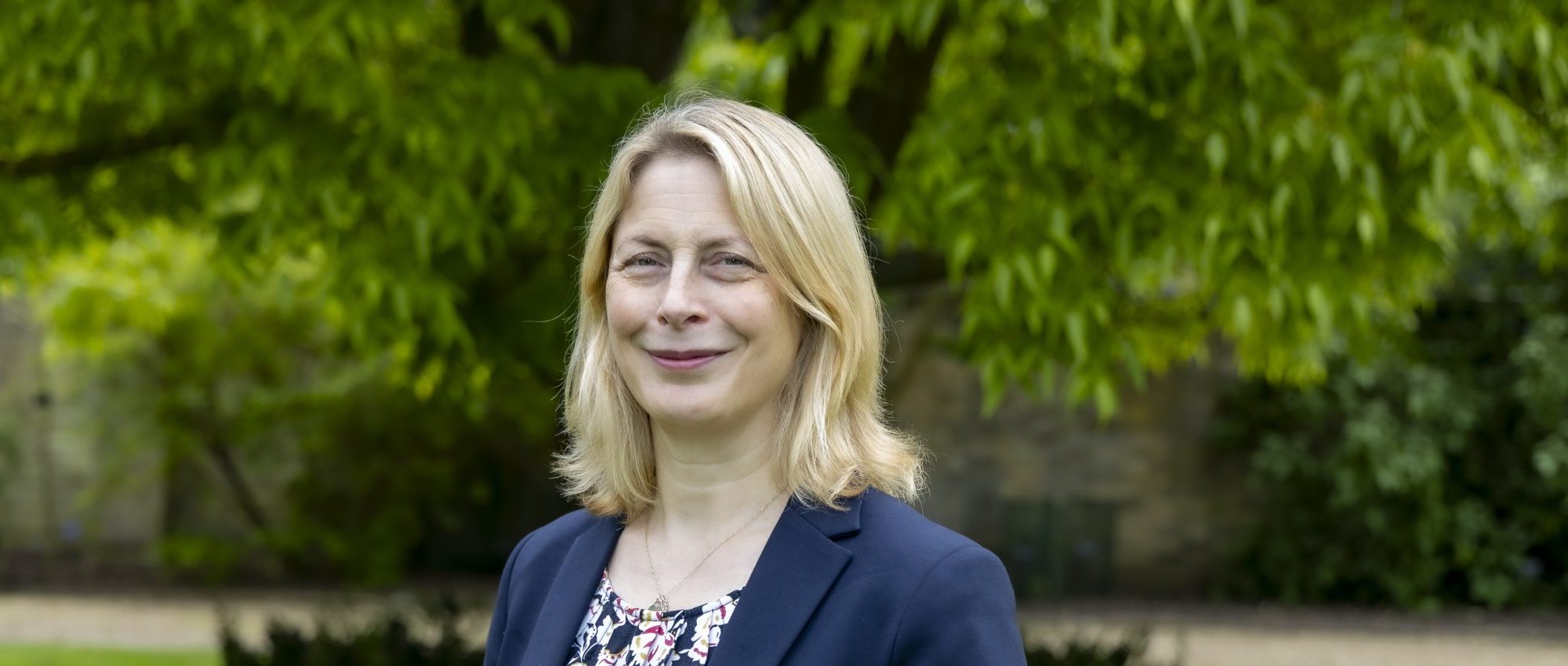
Cambridge University Botanic Garden (CUBG) is celebrating today as its Director, Professor Beverley Glover, has been elected a Fellow of the Royal Society (FRS) – one of the highest honours in science. The Royal Society is a Fellowship of many of the world’s most eminent scientists and is the oldest scientific academy in continuous existence. It recognises individuals who have made exceptional contributions to scientific research, leadership and public engagement.
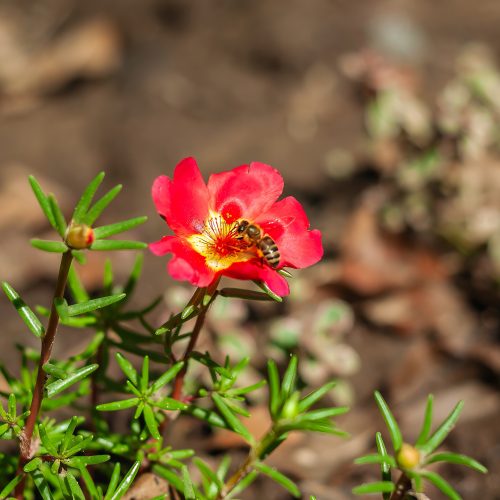
A world‑leading plant scientist at the University of Cambridge’s Department of Plant Sciences, Beverley’s work as an evolutionary developmental biologist explores how flowers develop the incredible variety of shapes, colours and surface textures that attract pollinators. Her research focuses on the microscopic features of petals – their structure, texture and chemistry – and how these influence the way flowers reflect light and how insects respond to it. As flower development can change rapidly over evolutionary time, her research has shown how different plant species can independently evolve similar traits and how complex floral features such as the microscopic ridges that create iridescent colour arise. Her work also examines the intricate relationships between plants and their pollinators, providing insights that help scientists protect biodiversity, anticipate how ecosystems may respond to environmental change and improve crop varieties that support global food security.
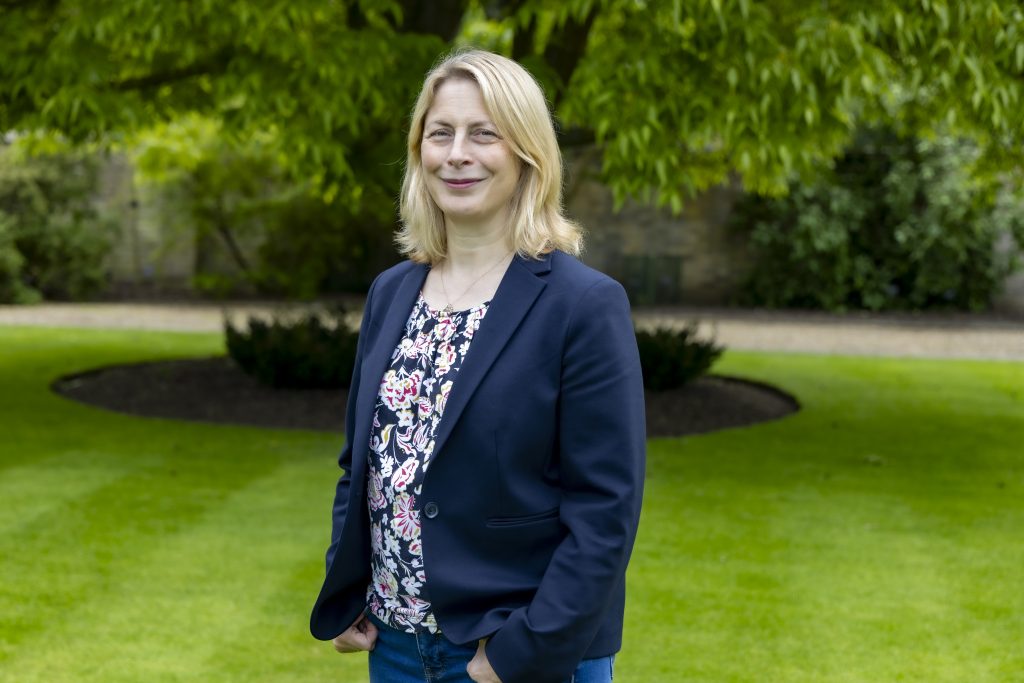
“I am completely thrilled to be elected to the Royal Society. It is such an honour, a bit like receiving an OSCAR for science! I’m so proud of the work that everyone in my research team and the wider team at Cambridge University Botanic Garden does, and I hope that they will all feel pride in this recognition of our work.”
Beverley’s election to the Royal Society acknowledges not only her scientific achievements but also her leadership across the wider botanic garden community, reflecting the growing importance of botanic gardens in tackling global environmental challenges.
As one of the largest university botanic gardens in the world, CUBG’s mission under Beverley’s leadership is to be a world-leading and inspirational garden, recognised for excellence in learning and research. A historic landscape with a defining place in the history of science and genetics, the Garden continues to build on this legacy as Beverley guides its work to support world-class plant science, conservation and public understanding of the natural world. This forward‑looking approach ensures that the Garden remains both a guardian of scientific heritage and a driving force in addressing the environmental challenges of today and the future.
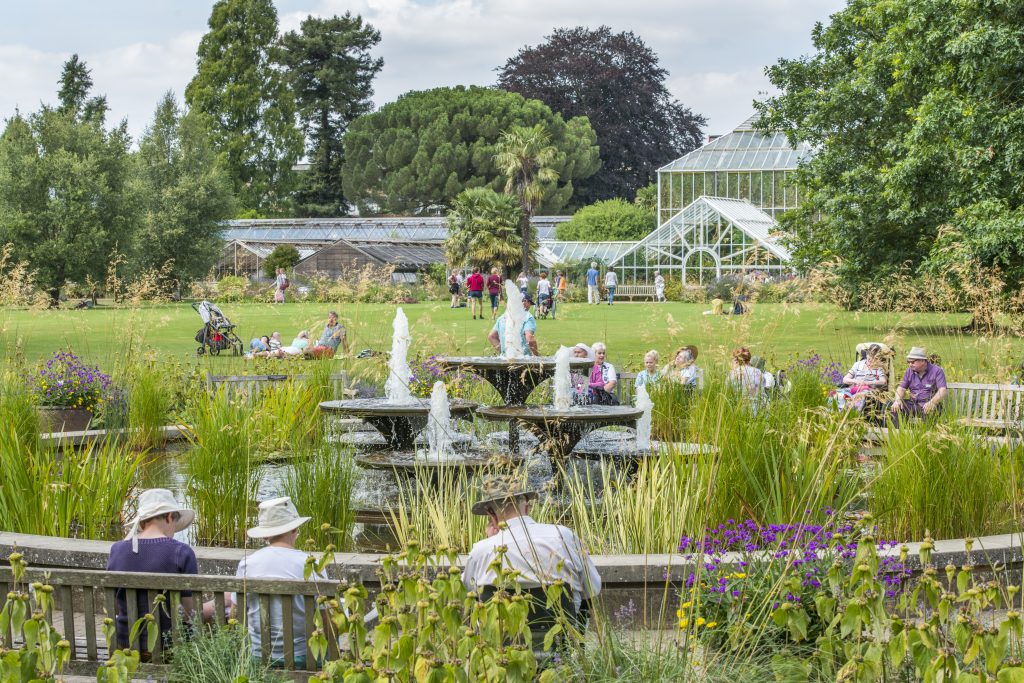
Joining the Garden in 2013, Beverley became its first female director in its almost 200 year history. She follows in the footsteps of a distinguished line of scientists associated with the Garden including its founder, John Stevens Henslow; Henslow’s most famous student, Charles Darwin; botanist and taxonomist Humphrey Gilbert-Carter and botanist and conservationist John Gilmour.
“Beverley is a truly transformational leader of Cambridge University Botanic Garden. By placing science at the very heart of the Garden’s mission, she has strengthened its standing as a world‑class centre for plant research, while also doubling visitor numbers and greatly expanding our reach into the community through education and engagement. The Garden is an invaluable source of nature, succour and beauty for the people of Cambridge.
She leads with vision, integrity and a profound love of her subject. Through her natural gift of communication and genuine delight in sharing science with others, she has ensured the Garden is a place where rigorous science and public enjoyment sit beautifully side by side. It has been a privilege to support her as Chair of the CUBG Syndicate, and I am delighted that her remarkable contribution has been recognised in this most prestigious award.”
In more recent history, Beverley’s role has included guiding the Garden through some challenging times. She led the organisation through the COVID pandemic, ensuring the living collection remained a place of safety, learning and wellbeing for the community at a time when access to green space mattered more than ever. Under her direction, the Garden is now focussed on climate‑smart planning, preparing its landscape and collections for a hotter, drier future while safeguarding plant diversity for generations to come.
Her commitment to public engagement has also transformed the Garden’s approach to visitor engagement, social inclusion and community outreach. Visitor numbers have almost doubled during her tenure. Each year, more than 370,000 visitors experience the Garden’s living collections, exhibitions – such as the International Garden Photographer of the Year – and major seasonal events including Apple Day, the Festival of Plants and Cambridge Botanic Lights. Alongside this, the Garden’s learning and community programmes work with more than 10,000 school children each year and over 80 community organisations and charities. Many of these initiatives reflect her vision to make plant science accessible, inclusive and inspiring.


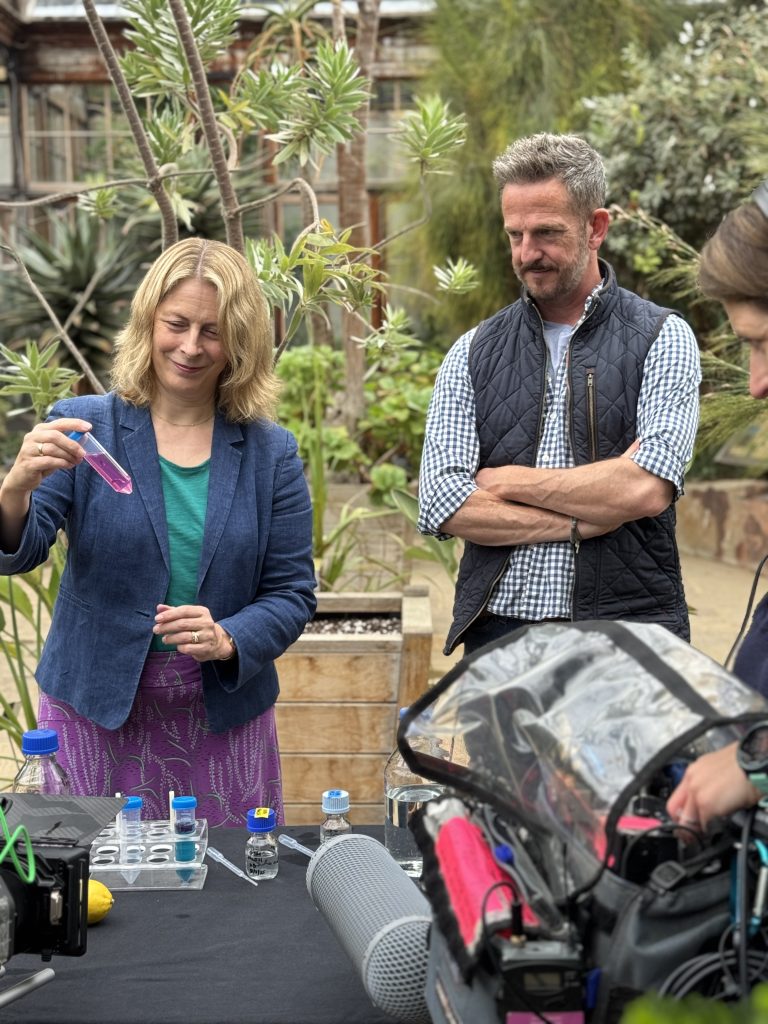


Beverley has also expanded the Garden’s family and public programming, introducing popular events such as the annual Festival of Plants and more recently regular talks and tours hosted by Garden staff members and guides during the school holidays about seasonal plants of interest. Last year marked 10 years of ‘Science on Sundays’, a series of informal talks that bring the University’s plant research to a broad public audience.
Speaking about the honour, Beverley says: “I am completely thrilled to be elected to the Royal Society. It is such an honour, a bit like receiving an OSCAR for science! I’m so proud of the work that everyone in my research team and the wider team at Cambridge University Botanic Garden does, and I hope that they will all feel pride in this recognition of our work.”
Selection process
A Fellow of The Royal Society (FRS) is one of the highest honours in science, awarded to researchers who have made exceptional and lasting contributions to scientific knowledge. Candidates are nominated confidentially by existing Fellows, before undergoing rigorous assessment by expert committees and election by the Fellowship. Around 50–60 scientists are elected each year from across the world of science, engineering and mathematics, making it highly selective and internationally prestigious. Historic Fellows have included some of the most influential scientists in history, among them Isaac Newton, Charles Darwin, Dorothy Hodgkin and Stephen Hawking.